

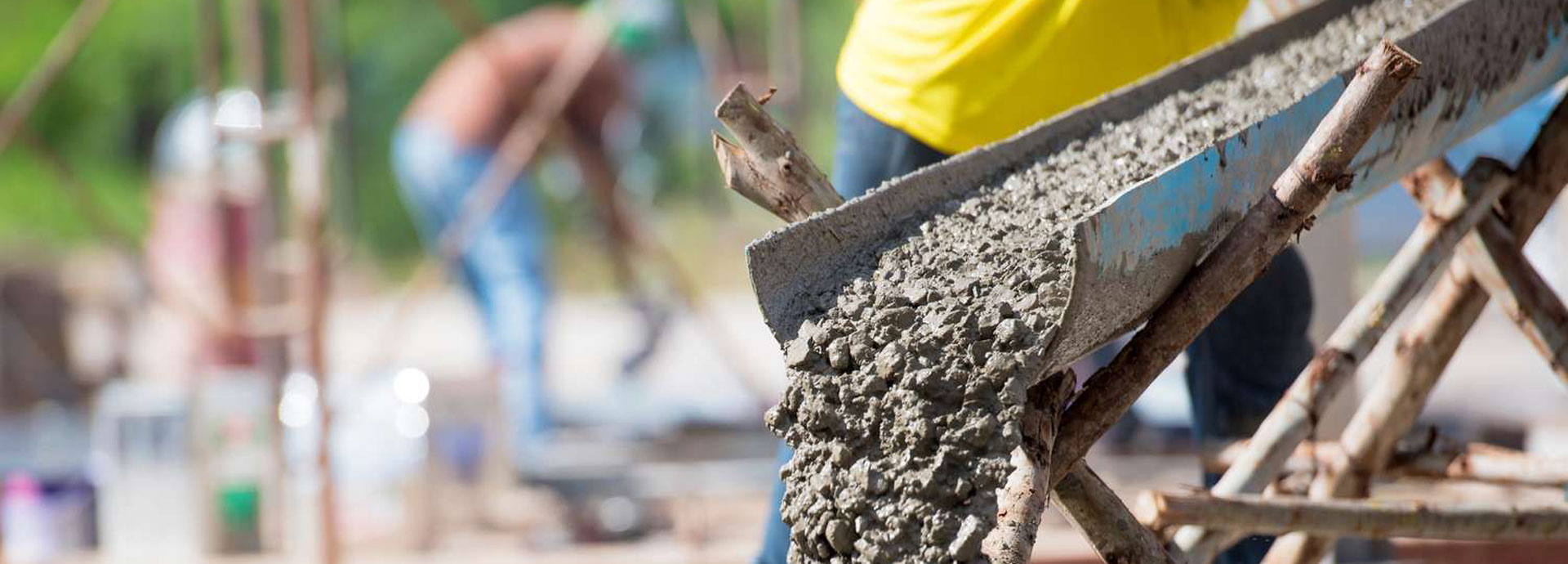
Commercial concrete production powers modern construction, delivering reliable, high-quality concrete that keeps projects on schedule and on budget. From skyscrapers and bridges to residential complexes and roads, centralized production ensures consistent strength, durability, and workability, meeting the demands of large-scale and complex construction projects.
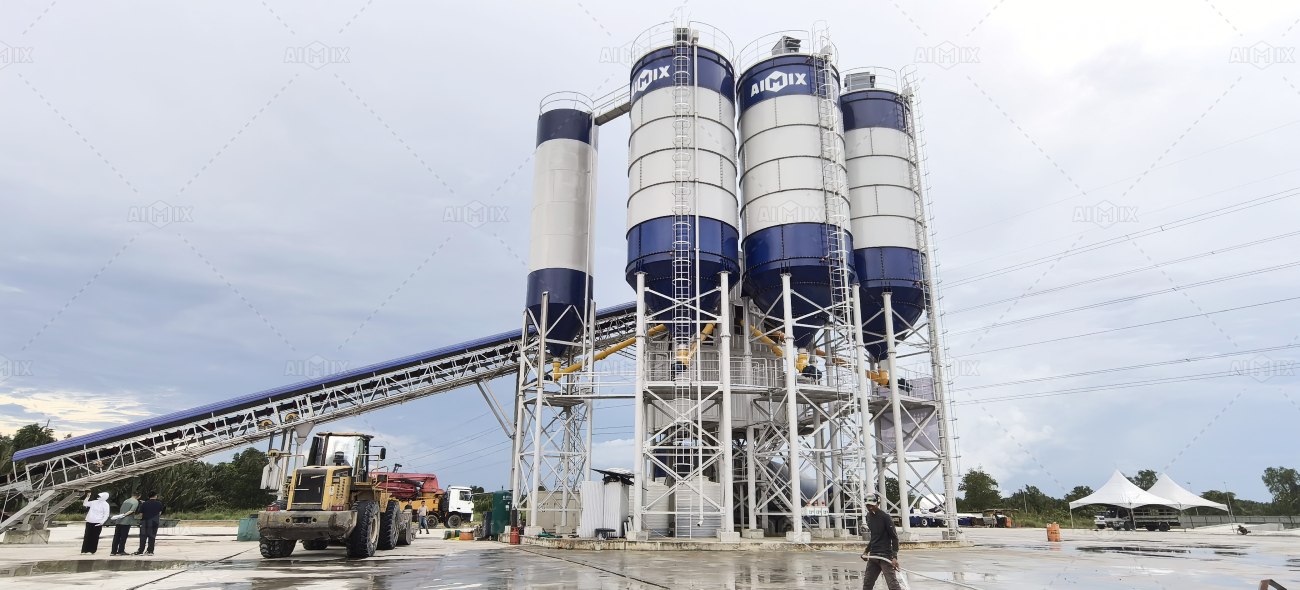
Through precise batching, controlled mixing, and streamlined material handling, commercial concrete production reduces on-site labor and minimizes delays. This industrialized approach guarantees quality, supports environmental compliance, and enables efficient delivery, making ready-mix concrete the backbone of today’s construction industry.
Challenges in Commercial Concrete Production

Maintaining Consistent Concrete Quality
Concrete producers face ongoing challenges in ensuring batch-to-batch consistency. Variations in raw materials, water content, and curing conditions can reduce strength, durability, and workability. Inconsistent quality may lead to rework, delays, and higher costs, especially for large-scale or safety-critical projects.

Meeting Large-Scale Production Demand
Rapid urbanization and expanding infrastructure projects demand continuous, high-volume concrete supply. Producers should balance speed with quality to avoid production bottlenecks that can disrupt construction schedules across multiple sites.

Controlling Operating and Labor Costs
Labor shortages and fluctuating material prices create pressure on operational budgets. Efficient workflow management is essential to maintain profitability while ensuring consistent concrete quality.

Environmental Compliance Requirements
Concrete production should adhere to strict emission, dust, and wastewater standards. Non-compliance can lead to regulatory fines, project delays, and reputational damage, adding pressure to already complex operations.

Equipment Coordination and Logistics Efficiency
Coordinating production, transportation, and on-site placement is critical. Poor scheduling or logistics inefficiencies can result in downtime, wasted materials, and disrupted project timelines.
Aimix Commercial Concrete Production Solutions
Aimix delivers comprehensive, integrated solutions for commercial concrete production, combining batching, transportation, pumping, and material handling into a seamless workflow. This all-in-one approach ensures continuous supply, consistent concrete quality, and optimized operations for projects of all sizes. By integrating advanced technology, automation, and robust equipment, Aimix helps clients reduce downtime, minimize material waste, and meet strict project schedules efficiently.
Intelligent Concrete Batching Plants
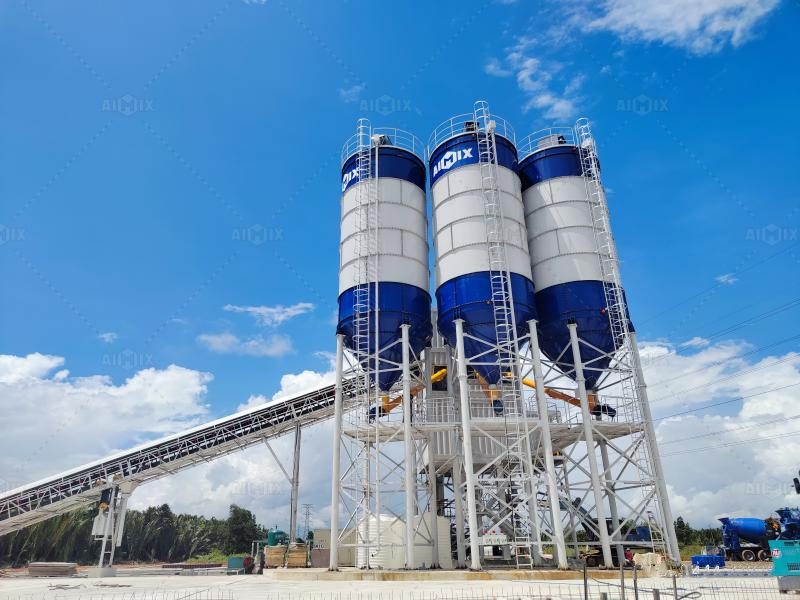
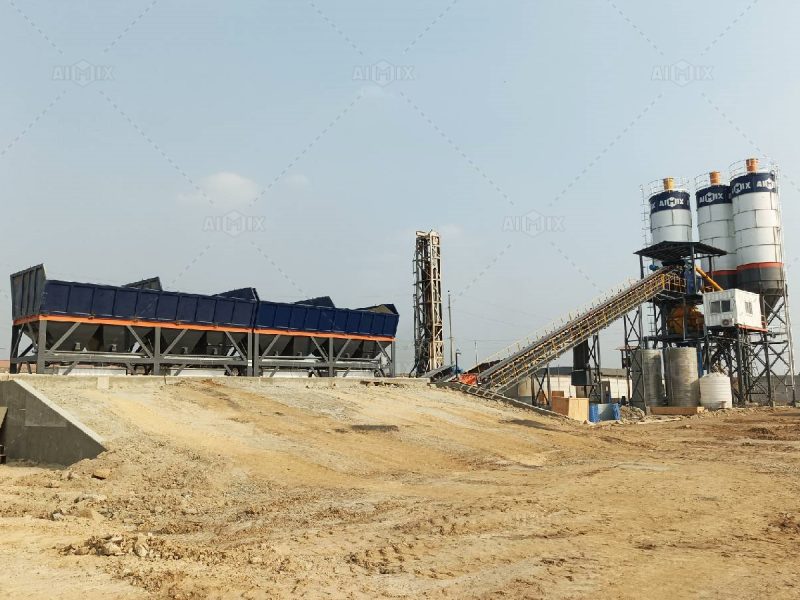
The batching plant is the heart of commercial concrete production. Aimix plants offer:
- Twin-shaft forced mixer: Rapid, uniform mixing ensures every batch meets structural specifications.
- Automated control systems: Real-time monitoring, remote adjustments, and error reduction for precise production.
- High-precision batching: Sensors accurately measure cement, water, and aggregates to maintain quality consistency.
- Scalable capacity: Modular design supports medium to large projects and allows easy future expansion.
- Stable, reliable output: Continuous production with minimal downtime, ensuring concrete is always ready for placement.
These features enable clients to maintain high-volume production without compromising quality, making the concrete batching plant the core of a fully integrated commercial concrete solution.
Efficient Concrete Transportation
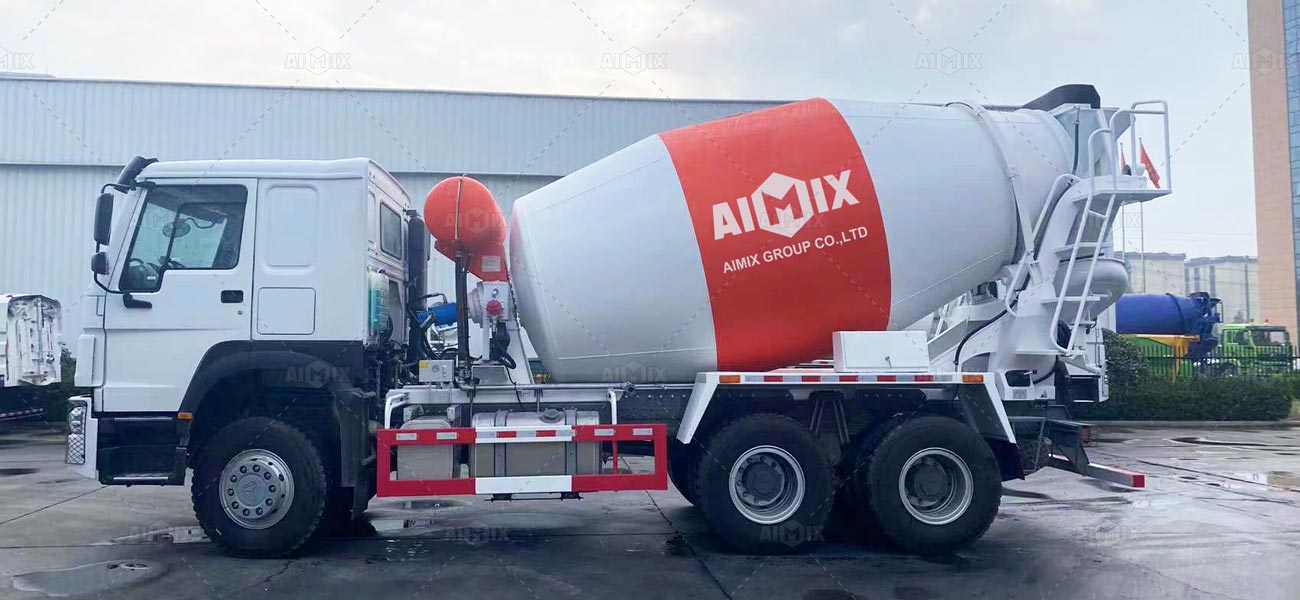
Concrete Mixer trucksDeliver concrete efficiently over long distances, maintaining consistency.
Durable drums and bladesReduce maintenance needs and extend operational life.
Flexible capacitiesAdaptable to small or large-scale projects for maximum efficiency.
Concrete Pumping Solutions
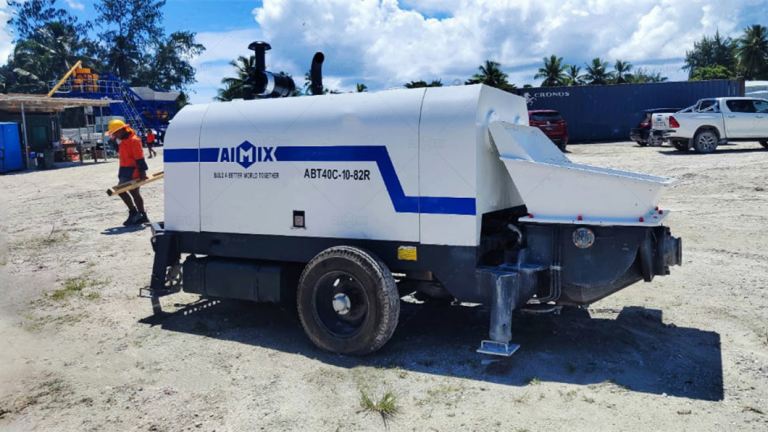
Trailer Pump
Trailer pumps are used to transport concrete quickly to remote or hard-to-reach locations, ensuring timely placement and continuous workflow.
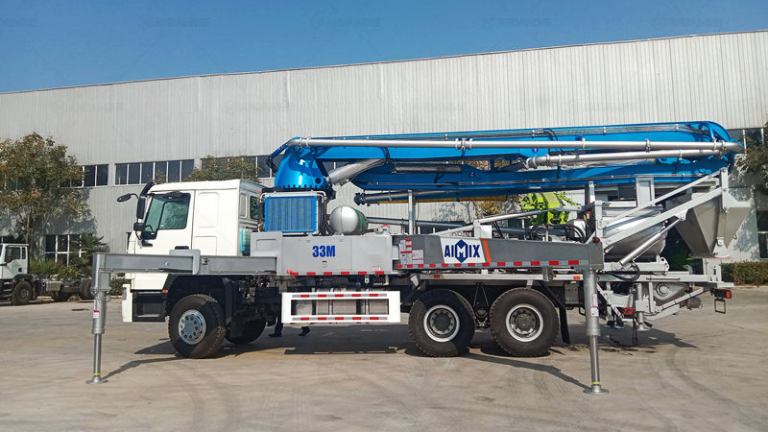
Boom Pump
Boom pumps enable concrete placement at height or in complex environments, maintaining a steady flow while reducing manual labor and improving efficiency.
Supporting Equipment for Material Handling
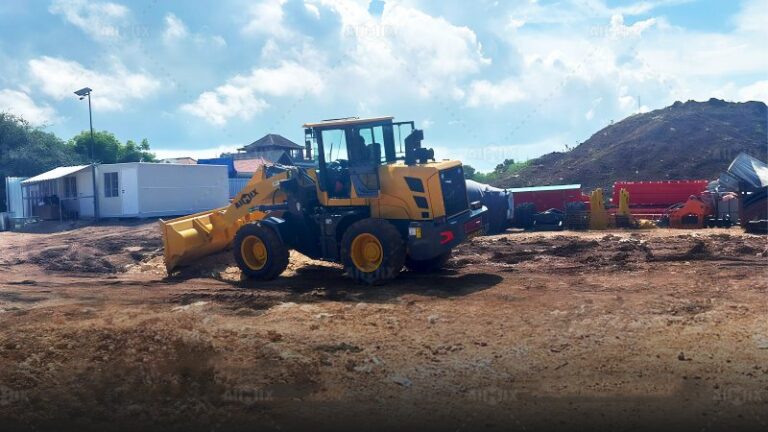
Wheel Loaders
Wheel loaders are used to efficiently transport and supply aggregates and cement to batching plants, ensuring a smooth and continuous workflow.
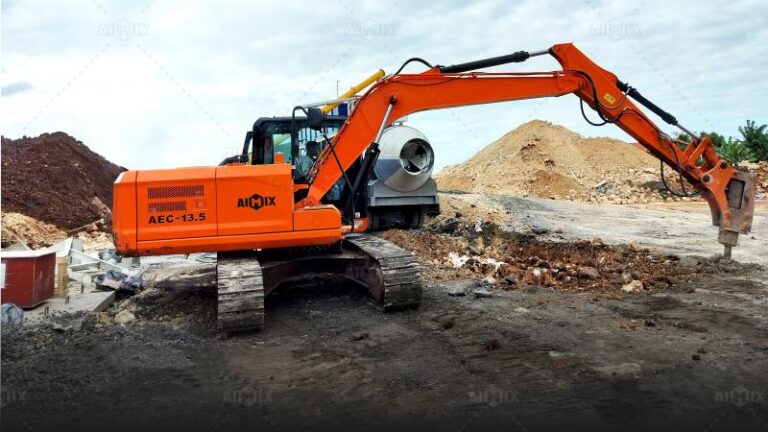
Excavator
Excavators are employed for ground preparation and the loading of raw materials, supporting efficient material handling on construction sites.
Aimix’s integrated solution demonstrates full production line capability: intelligent batching plants, efficient transportation, precise pumping, and supporting equipment work in concert. Customers benefit from optimized production, stable quality, and streamlined operations, showing Aimix’s industry-leading expertise and ability to support modern commercial concrete projects.
Environmentally Friendly Concrete Production
Modern commercial concrete production increasingly emphasizes sustainable practices. Beyond meeting project schedules and quality standards, batching plants should reduce environmental impact while maintaining efficiency. Aimix promotes eco-conscious production methods that align with global green building trends.
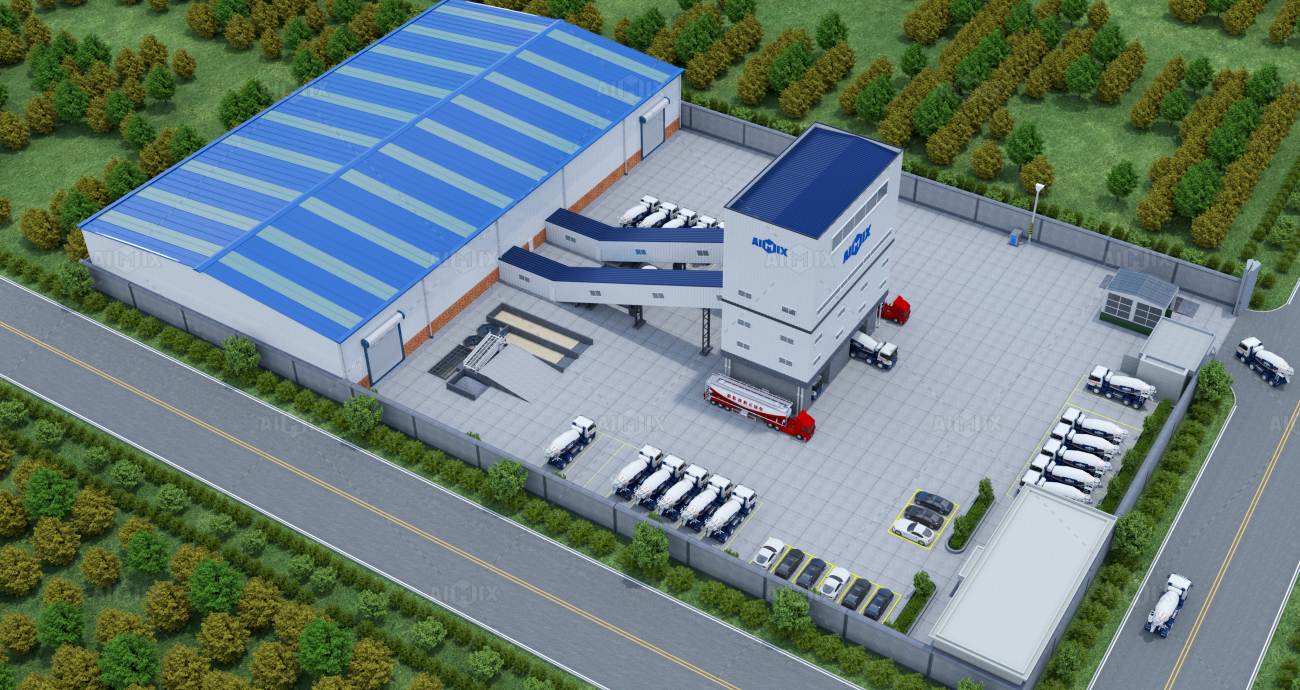
Dust Collection and Noise Control Systems
Concrete production can generate significant dust and noise. Advanced dust collection and noise reduction measures minimize airborne particles and acoustic pollution, ensuring safer and cleaner work environments for both plant workers and surrounding communities.
Wastewater Recycling Technology
Concrete plants consume substantial water in production and cleaning processes. Recycling systems capture, treat, and reuse wastewater, reducing freshwater consumption and limiting discharge into the environment. This practice supports sustainable water management without affecting concrete quality.
Energy-Saving Mixing Systems
Optimized mixing processes and production scheduling lower energy consumption. By reducing unnecessary energy use and improving mixing efficiency, plants can maintain high productivity while cutting carbon emissions and operational costs.
Low-Emission Concrete Production
Using precise material proportions and low-carbon cement alternatives, commercial concrete production can significantly reduce greenhouse gas emissions. Low-emission practices help companies meet environmental regulations and achieve sustainable construction certifications.
By integrating dust control, water recycling, energy efficiency, and low-emission materials, environmentally friendly concrete production ensures sustainability without compromising performance, supporting modern green construction goals.
Raw Materials For Commercial Concrete Production
Concrete relies on four essential materials, each carefully selected to ensure performance, durability, and consistency:
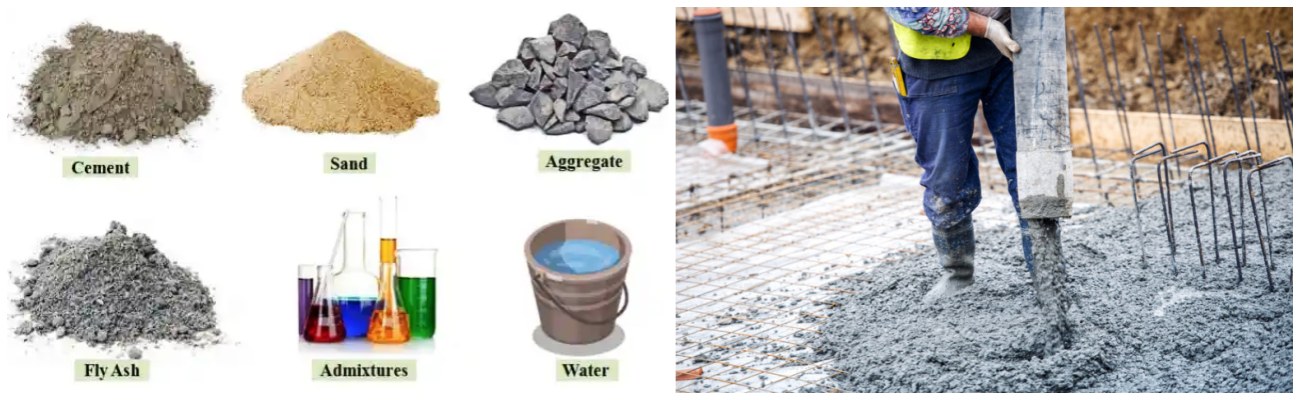
Aggregates
Gravel, sand, and crushed stone form the backbone of concrete. Their size, shape, and cleanliness directly impact structural strength, volume stability, and load-bearing capacity. Proper selection ensures concrete can withstand heavy loads and environmental stresses.
Cementitious Materials
Cement, fly ash, and slag act as binders, holding aggregates together. They provide cohesion, strength development, and long-term durability. Blended cements can also reduce heat of hydration and carbon footprint, supporting sustainable construction.
Water
Water is vital for cement hydration and workability. Both quantity and quality are strictly controlled, as excess or poor-quality water can compromise uniformity, curing, and final concrete strength.
Admixtures
Additives such as plasticizers, accelerators, retarders, and air-entraining agents tailor concrete properties. They enhance workability, control setting time, and improve durability against environmental conditions.
Summary Table
| Material | Role in Concrete |
|---|---|
| Aggregates | Provide strength, volume stability, load-bearing capacity |
| Cementitious Materials | Bind aggregates, develop strength, enhance durability |
| Water | Enable hydration, control workability and curing |
| Admixtures | Modify properties, improve performance and durability |
Features and Advantages of Commercial Concrete for Modern Construction
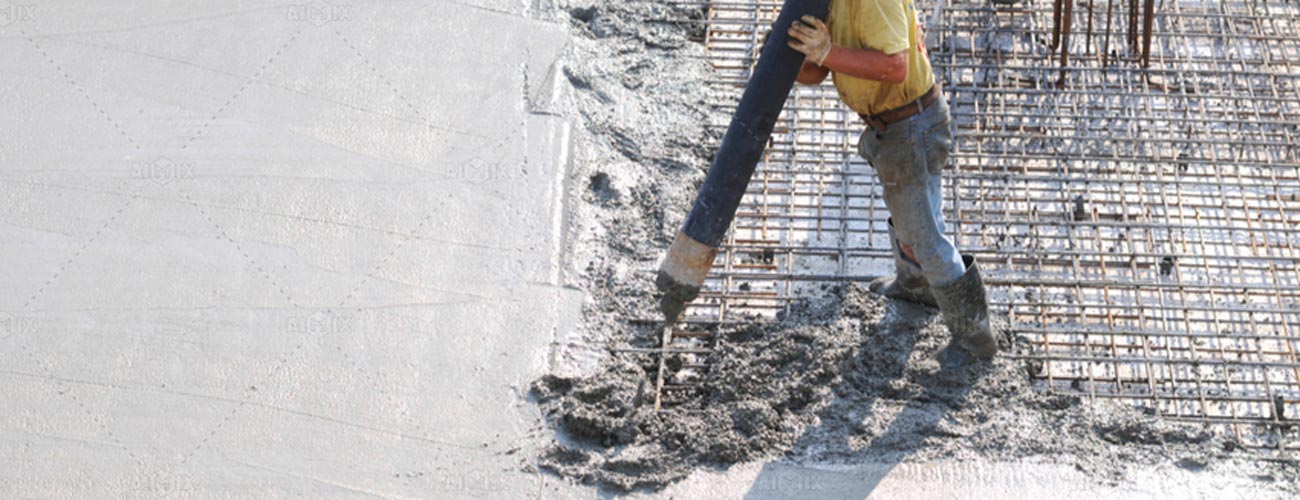
Stable and Consistent Quality
- Automated batching systems maintain precise mix ratios, typically within ±1% weighing accuracy, reducing human error and variability.
- Factory-based production minimizes environmental influences, such as temperature or humidity, ensuring uniform results.
- Pre-dispatch laboratory testing of slump, compressive strength, and setting time guarantees consistent performance.
- Reliable quality enhances safety for high-rise buildings, bridges, airports, and large-scale infrastructure projects.
High Production Efficiency
- Centralized batching plants optimize raw material feeding, mixing, and loading, reducing manual labor and delays.
- Rapid mixing cycles, usually 60 seconds per batch, enable continuous high-volume output.
- Ready-mix delivery reduces on-site preparation and storage requirements, improving overall project efficiency.
- Coordinated scheduling and logistics support multiple projects simultaneously without compromising quality.
Environmental Sustainability
- Supplementary cementitious materials, like fly ash or slag, can reduce cement usage by 20–40%, lowering carbon emissions.
- Water recycling systems reuse up to 70–80% of process water, minimizing waste discharge.
- Enclosed conveyors and dust collection systems limit particulate emissions and improve plant cleanliness.
- Sustainable production practices align with green building certifications such as LEED and BREEAM.
Broad Engineering Adaptability
- Commercial concrete can be tailored for diverse structural and environmental requirements, ensuring reliable performance.
- Mix designs range from standard grades to high-strength concrete (C60+) for heavy-load applications.
- Specialized formulations, including self-compacting, low-heat, and sulfate-resistant concrete, expand applicability.
- Suitable for infrastructure, residential, industrial, hydraulic, and coastal projects under varying environmental conditions.
Exploring Key Application Areas of Commercial Concrete
Commercial concrete is a versatile and reliable material that forms the foundation of modern construction. Its consistent quality, durability, and adaptability make it ideal for a wide range of projects. Below are six of the most common applications:

Infrastructure Projects
Supports highways, bridges, tunnels, and airport runways. High compressive strength and long-term durability ensure safety and longevity under heavy traffic and extreme environmental conditions. Concrete’s uniformity also accelerates construction while reducing maintenance costs.
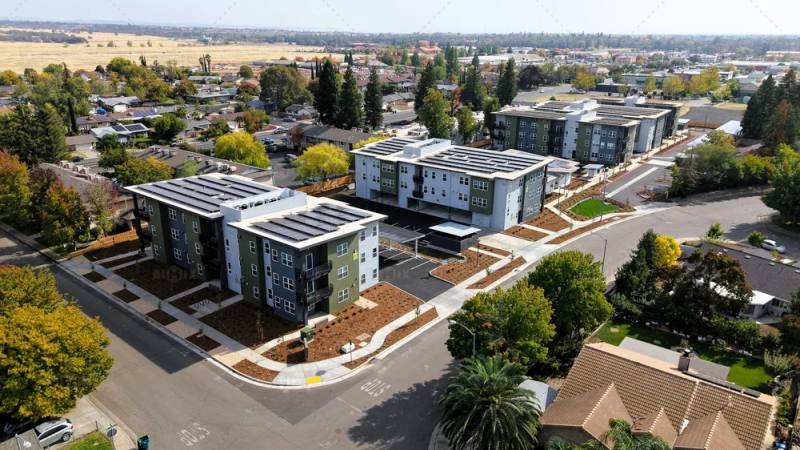
Residential Construction
Applied in apartments, villas, and housing complexes. Provides structural integrity, thermal stability, and noise insulation. Standardized production allows for faster construction timelines without compromising quality.
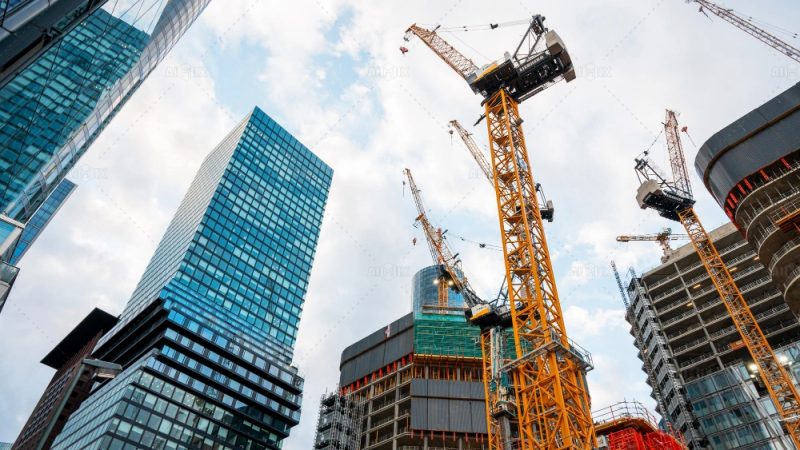
Commercial Buildings
Used in offices, shopping malls, hotels, and business centers. Offers robust load-bearing capacity, consistent finish, and compliance with fire and safety regulations. Enhances aesthetics while ensuring structural performance.
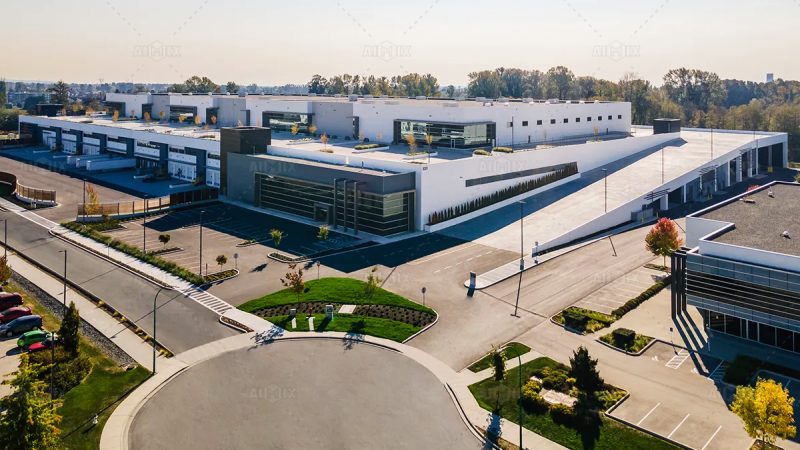
Industrial Facilities
Essential for factories, warehouses, and workshops. Delivers durable floors and foundations capable of handling heavy machinery, high traffic, and repetitive use. Reduces repair frequency, lowering operational costs.
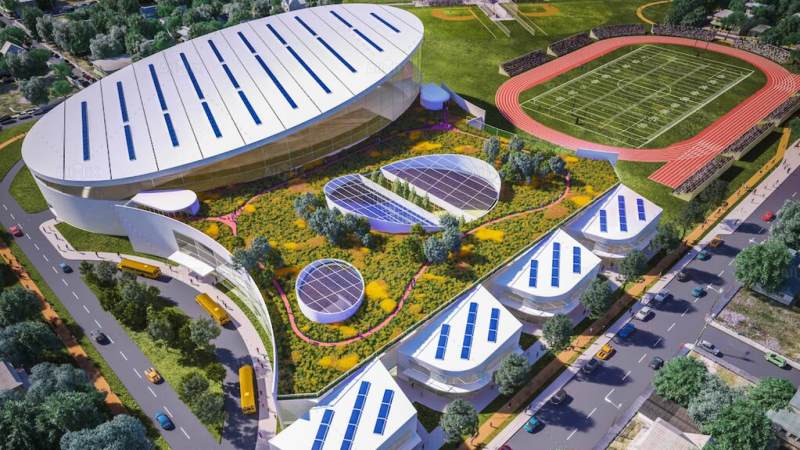
Public Buildings
Includes schools, hospitals, and sports complexes. Provides safe, durable structures that withstand high occupancy and frequent use. Its fire resistance and long lifespan make it ideal for public safety-critical environments.
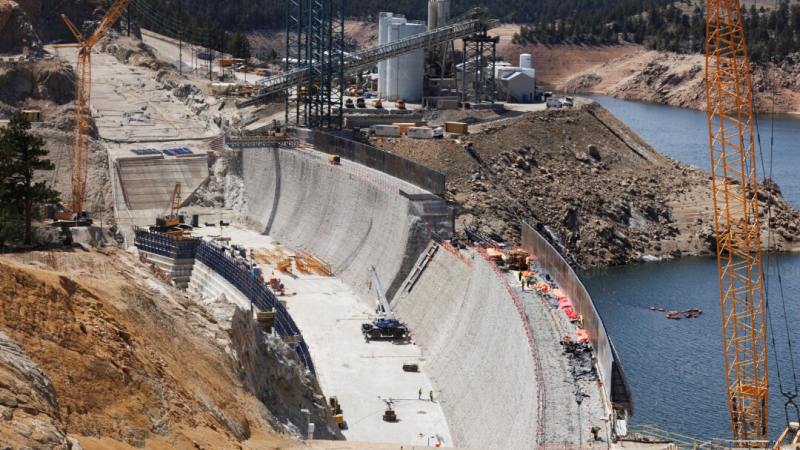
Water Conservancy Projects
Used in dams, irrigation channels, levees, and coastal protection works. Ensures excellent waterproofing, structural strength, and environmental resilience, meeting rigorous engineering standards while protecting ecosystems.
With its broad adaptability, commercial concrete reliably meets the diverse needs of modern construction, from residential communities to large-scale infrastructure projects.
Cases of Batching Plants for Commercial Concrete Production
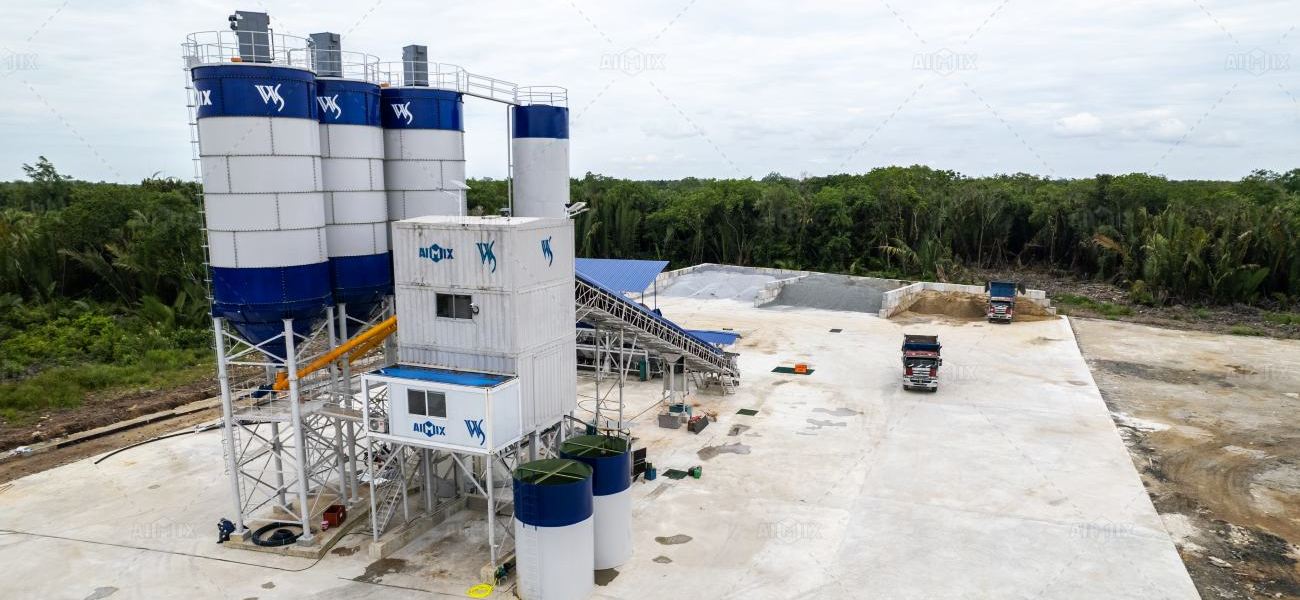
AJ-180 Batching Plant for Commercial Concrete Production
- Delivery time: 2025
- Location: In Malaysia
- Customer needs: To achieve faster batching cycles and provide high-quality concrete for customers.
- Our solution: We supplied an AJ180 stationary batching plant with 3m³ Sicoma mixer.
- Plant owner feedback: “This large-scale plant meets our concrete production needs especially during peak construction seasons. We would be glad to introduce Aimix to other customers who have the need of concrete plants.”
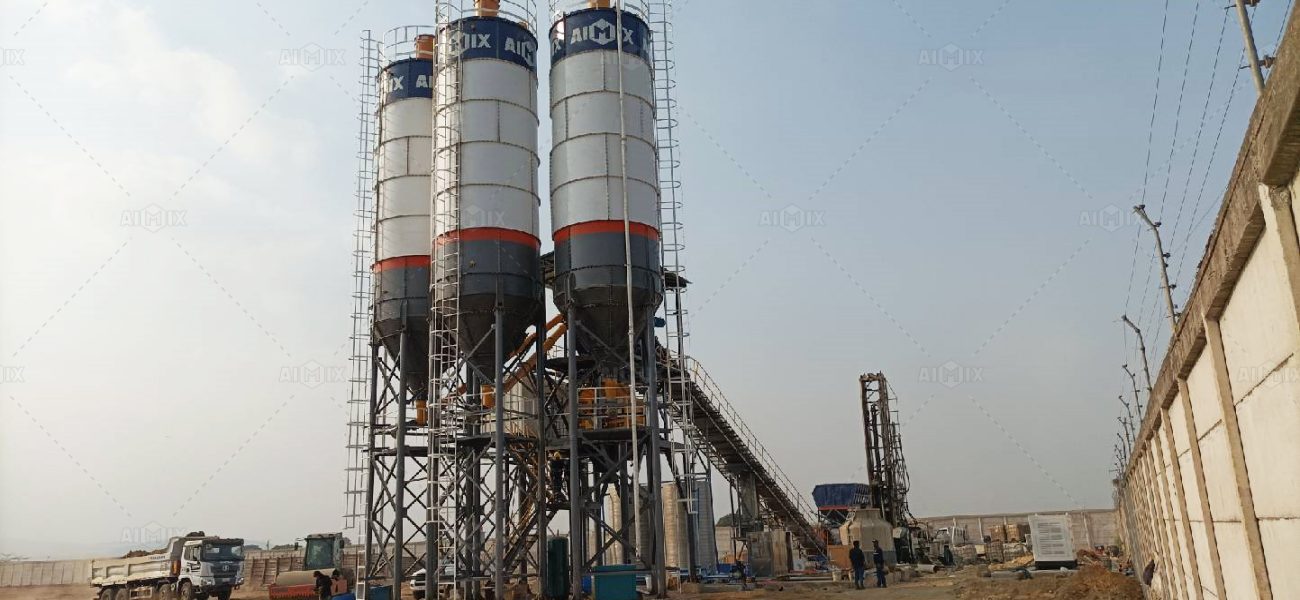
AJ-90 Concrete Plant for Road Construction Projects and Concrete Supplying
- Delivery time: 2025
- Location: In Ecuador
- Customer needs: To self-produce concrete for road construction projects and also to enter the local concrete supply market, reducing dependency on external suppliers.
- Our Solution: We provided the AJ90 concrete batch plant equipped with Siemens motors and a high-precision automatic control system for reliable and efficient concrete production.
- Plant manager feedback: “We had zero experience with batching plants, but AIMIX made it really easy. Now we can produce concrete for our project and sell locally without any hassle.”
Seamless Support & Expert Guidance for Your Concrete Production
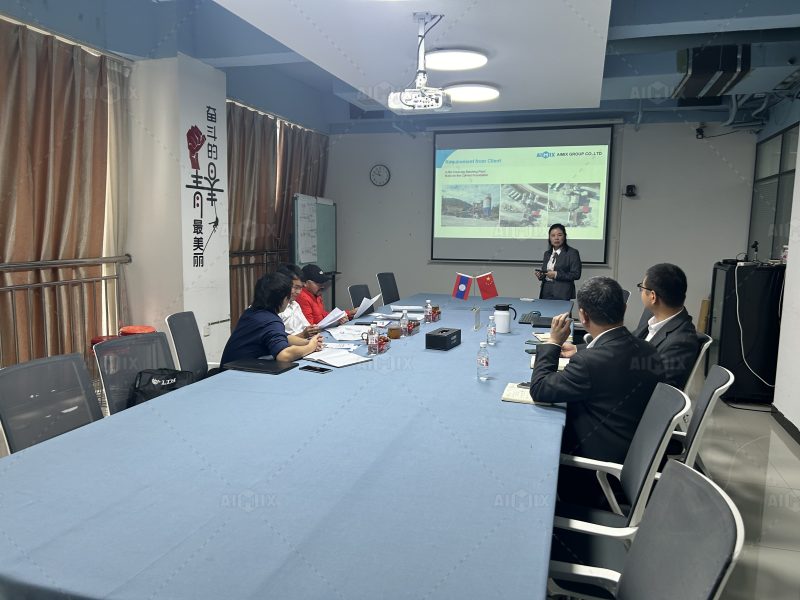
Tailored Plant Design – Built for Your Needs
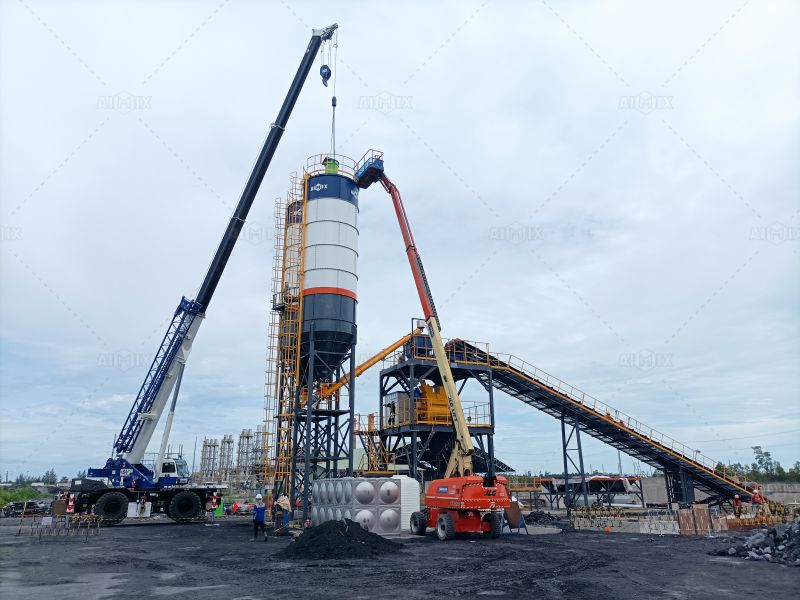
We work closely with you to design a production line that perfectly matches your project requirements. Your plant layout, capacity, and equipment configuration are customized to maximize efficiency and meet your goals.
Professional Installation & Smooth Commissioning
Our experienced team ensures your batching plant is installed correctly and starts production without hiccups. From testing to full commissioning, we handle the technical details so you can focus on your project.
Operator Training – Empowering Your Team
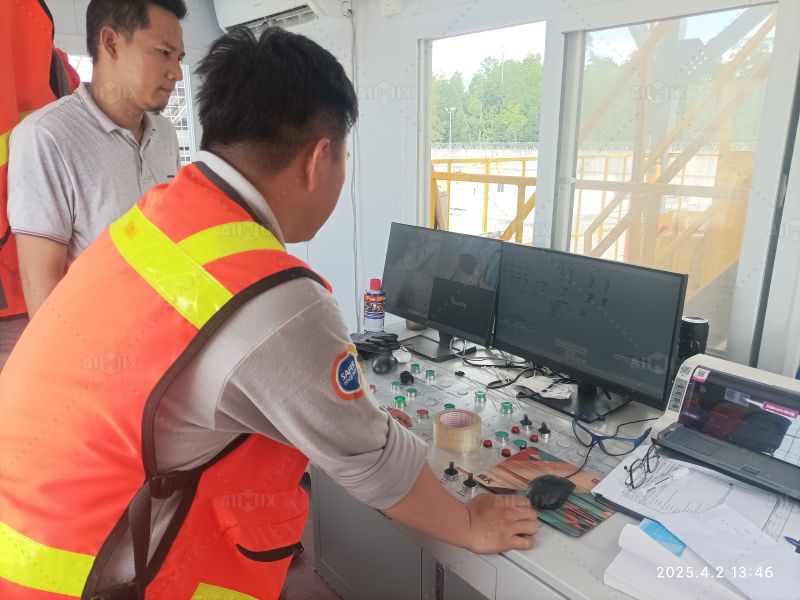
We train your staff to operate the plant safely and efficiently. With practical guidance on workflows, safety, and maintenance, your team gains confidence and skills to keep production running smoothly.
Responsive After-Sales Service – Always by Your Side
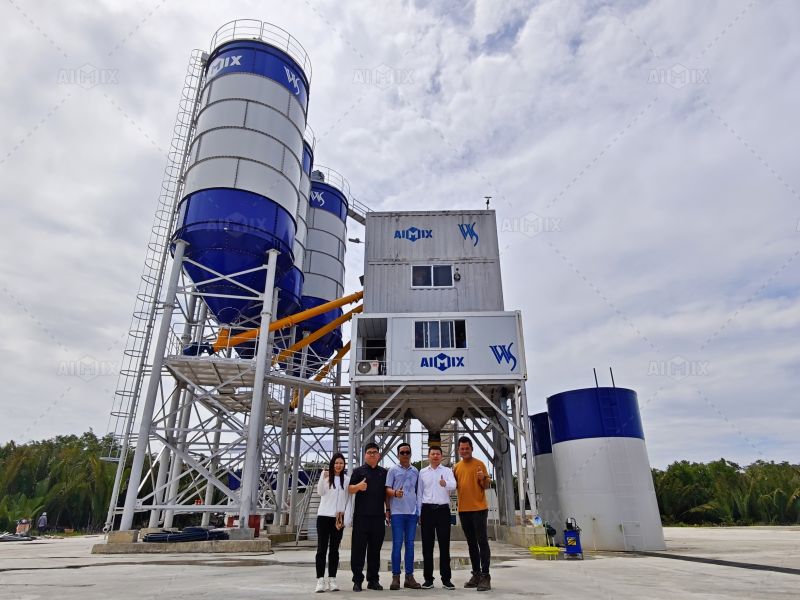
Our support doesn’t end after delivery. We provide timely maintenance, troubleshooting, and technical advice whenever you need it, helping minimize downtime and protect your investment.
Expert Technical Consultation – Optimize Every Step
Need advice on improving workflow, boosting production quality, or optimizing materials? Our experts offer practical solutions, ensuring your concrete production is efficient, reliable, and cost-effective.
Commercial Concrete Market Trends
The commercial concrete industry is shaped by urbanization, sustainability requirements, digital production, and global construction opportunities.
Urbanization and Infrastructure Demand
Rapid urbanization and large-scale infrastructure projects are driving steady growth in concrete demand. In 2024, the global concrete market was valued at approximately USD 710 billion, and it is projected to reach USD 1,040 billion by 2032, growing at a CAGR of 4.88%. High-volume projects such as highways, bridges, airports, and residential developments require consistent, high-quality concrete, emphasizing the importance of modern production methods. (Based on 2024 global concrete market analysis insights)
Sustainable Concrete Development
Environmental regulations and green building standards are boosting demand for eco-friendly concrete. The global green concrete market is expected to expand at a CAGR of 6.3% through 2031, driven by the adoption of low-carbon cement, recycled aggregates, and energy-efficient production processes. Sustainable concrete solutions help reduce environmental impact while aligning with modern construction requirements. (Insights from 2024 sustainable construction materials market forecast)
Intelligent Concrete Production
Automation, sensors, and digital monitoring are transforming concrete production. The intelligent concrete market is projected to grow from USD 41 billion in 2025 to USD 133 billion by 2035, a CAGR of 12.5%, as smart batching systems improve efficiency, quality control, and workflow coordination. (Based on 2025 smart construction technology market outlook)
Global Construction Market Opportunities
Emerging regions, particularly Asia-Pacific, account for a large share of concrete consumption. Rapid urbanization, infrastructure investments, and industrial expansion in these areas create long-term growth potential for commercial concrete producers worldwide. (Insights from 2024 global infrastructure development report)
Conclusion: Reliable, Efficient, and Sustainable Concrete Solutions
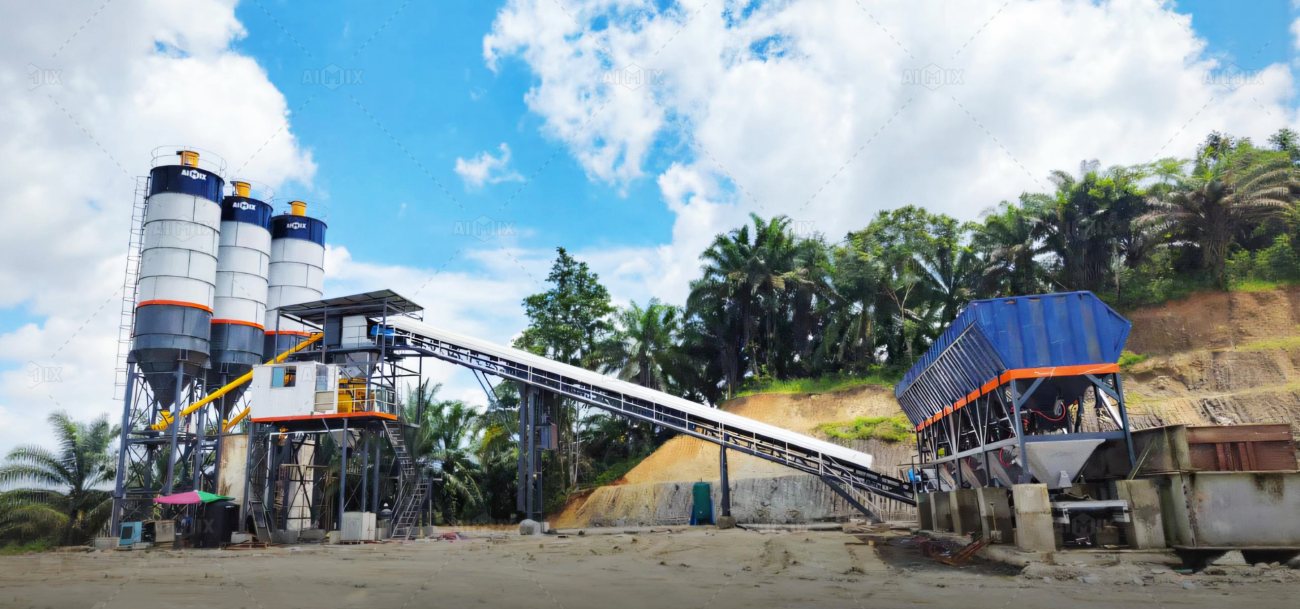
Modern commercial concrete production delivers consistent quality, high efficiency, and eco-friendly performance across infrastructure, residential, and commercial projects. By adopting integrated production systems and sustainable practices, companies and project teams can reduce risk, meet large-scale demands, and ensure reliable results every time.
For businesses seeking advanced commercial concrete solutions, Aimix offers complete, customizable systems to optimize your operations. Contact us today to explore how our solutions can support your next project.
