


A concrete batch plant is essential for producing consistent, high-quality concrete in construction projects. Whether stationary, mobile, or RMC, proper debugging and commissioning ensure accurate batching, stable output, and safe operation. Skipping these steps can lead to errors, downtime, and higher maintenance costs. This guide provides a step-by-step process to troubleshoot, calibrate, and optimize your plant, helping your team maintain smooth, reliable, and efficient operation over the long term.
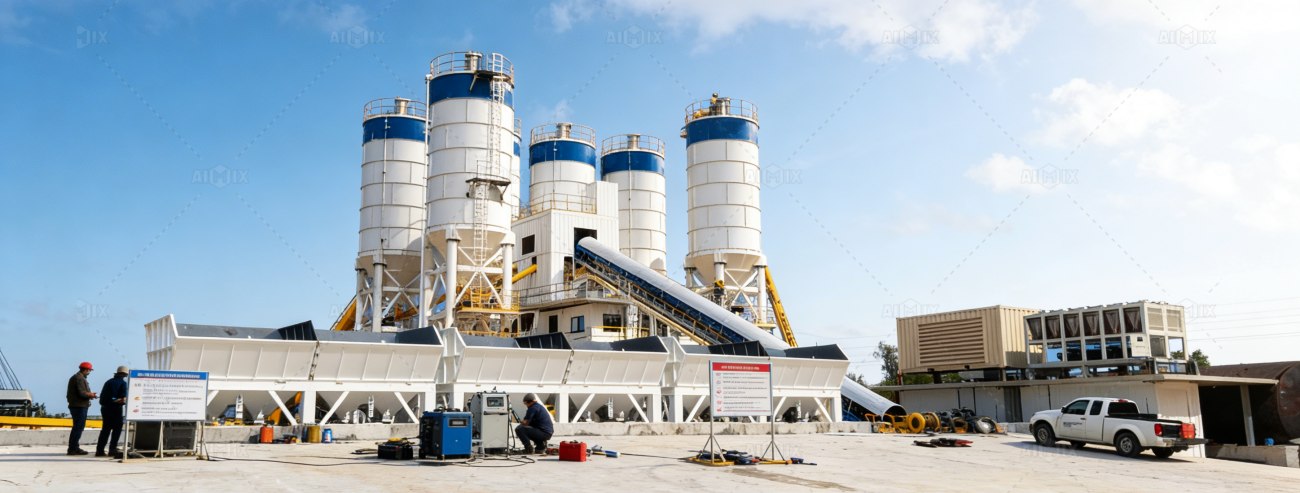
Pre-Debugging Checklist for Smooth Concrete Batch Plant Setup
Before starting your concrete batch plant, thorough pre-debugging preparation is essential to ensure safe, reliable, and efficient operation. This stage helps prevent unexpected downtime, equipment damage, and batching errors during commissioning.

Mechanical System InspectionStart by checking all mechanical components for proper function. Inspect aggregate bins, belt conveyors, and screw conveyors to ensure smooth material flow without blockages or damage. Conduct an empty-run test of the main mixer to verify motor performance, blade rotation, and overall stability. Don’t forget to check bearings, lubrication points, and wear surfaces, as inadequate maintenance at this stage can lead to costly repairs later.
Electrical System Pre-CheckVerify that your power supply is stable to protect sensitive equipment. Inspect PLC control cabinet wiring for loose connections or exposed cables, and ensure all sensors and transducers are correctly connected and functioning. This prevents inaccurate measurements or unexpected alarms during production.
Safety System VerificationSafety cannot be overlooked. Test emergency stop buttons, limit switches, and all dust protection and safety guards to confirm they operate as intended. Ensuring proper safety setup reduces risks to personnel and protects your equipment during debugging.
Step-by-Step Subsystem Debugging for Concrete Batching Plants
Proper subsystem debugging ensures that every component of a concrete batching plant operates accurately, efficiently, and safely. Dividing the plant into modules allows teams to systematically identify issues, calibrate equipment, and optimize performance before full-scale production begins, preventing costly downtime and quality issues.
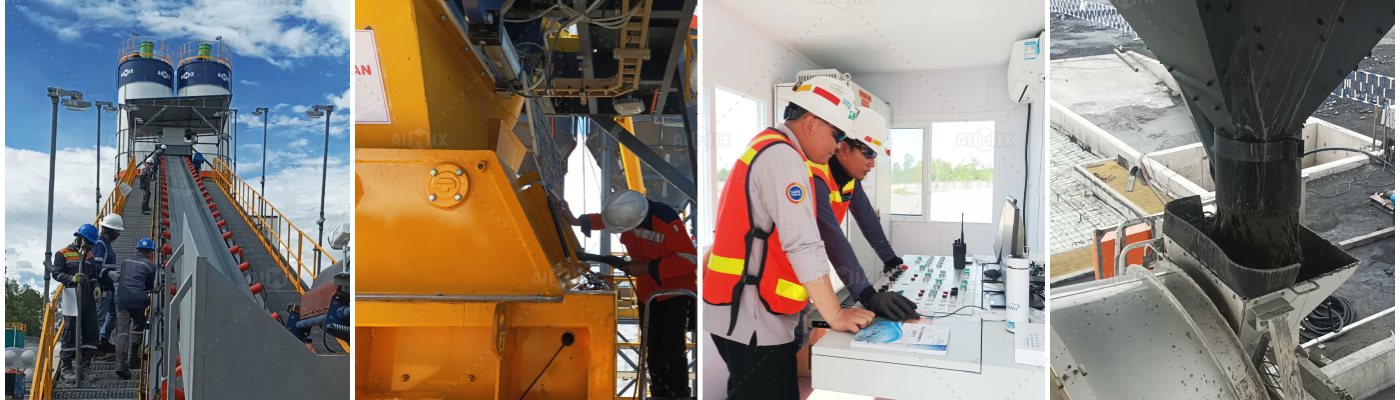
Debugging Aggregate Batching System
The aggregate system forms the foundation for concrete quality, and small errors can impact the final mix. Key steps include:
- Calibrate weighing sensors: Use certified calibration weights to verify the accuracy of load cells in each bin and silo, ensuring that each batch contains the exact proportion of aggregates.
- Zero empty hoppers before each batch: Reset hoppers to zero to prevent overfeeding or underfeeding materials, which could lead to inconsistent concrete strength.
- Check feeding error tolerance: Continuously monitor deviations between measured and target weights; make fine adjustments to conveyor speed or feeder timing to maintain precision.
- Test multiple dry batches: Run several empty or dry-material batches to confirm consistency and identify any irregularities before introducing water or cement.
Debugging Cement and Powder Material System
Precise control of cement and powder materials is essential for consistent concrete properties. Steps include:
- Screw conveyor operation check: Verify smooth rotation of all screw conveyors, ensuring that cement and powder flow without interruptions or blockages that could affect batching.
- Calibrate weighing system: Confirm that each silo or hopper delivers the correct weight of cement, accounting for any variations in material density or moisture content.
- Check flow consistency and anti-blocking mechanisms: Ensure smooth material flow and verify that anti-blocking devices, such as vibrators or augers, operate correctly to prevent clumping.
- Run dry test cycles: Conduct several test cycles without water to ensure mechanical reliability and accuracy, allowing adjustments before production.
Debugging Water and Admixture System
Water and admixtures affect concrete workability, curing, and final strength. Key procedures include:
- Calibrate flow meters: Verify that flow meters measure exact water and admixture volumes; accurate dosing is critical for maintaining water-cement ratios.
- Test automatic compensation functions: Confirm that the system adjusts flows in real-time to correct minor deviations during batching, ensuring consistent mix quality.
- Perform pumping stability tests: Test pumps over multiple cycles to check for consistent delivery, and inspect hoses, valves, and injectors for leaks or restrictions that could compromise dosing.
- Record water-cement ratios: Maintain detailed records for each batch to ensure repeatable results and facilitate troubleshooting if quality issues arise.
Debugging Mixing System
The mixing system determines the homogeneity and quality of the final concrete. Steps include:
- Empty-run test: Operate the mixer without materials to observe motor performance, blade rotation, and any unusual vibration or noise that could indicate mechanical issues.
- Load test with actual materials: Gradually increase batch sizes with real aggregates, cement, water, and admixtures, monitoring motor load and mixing uniformity.
- Optimize mixing time: Adjust mixing duration based on material types and batch size to achieve uniform concrete without overmixing (which wastes energy) or undermixing (which reduces quality).
- Document optimal mixing cycles: Record the ideal mixing times and sequences to provide a reliable reference for future production runs.
Debugging Control System (PLC & Software)
A properly tuned control system ensures automated, reliable, and safe plant operation. Procedures include:
- Manual/automatic mode test: Confirm that the batching plant can smoothly switch between manual and automatic modes without delays or errors.
- Data acquisition verification: Cross-check sensor readings with actual material weights to ensure accurate measurement and reporting.
- Alarm and error system testing: Trigger alarms intentionally to confirm they activate correctly and that error logs are accurate, preventing unnoticed faults.
- Adjust PLC parameters: Fine-tune software settings to minimize errors, optimize cycle times, and ensure consistent concrete quality across all batches.
Common Faults and Troubleshooting Methods for Concrete Batch Plants
Even after careful commissioning, concrete batch plants may encounter operational issues. Recognizing common faults and addressing them promptly helps maintain consistent quality, efficiency, and safety.
Batching Proportion Errors
- Sensor calibration issues: Load cells may drift over time. Regular recalibration ensures accurate measurements.
- Hopper zeroing mistakes: Failing to reset hoppers before each batch can cause over- or under-dosing.
- Moisture variation in raw materials: Moisture affects weight-based batching. Measure moisture and adjust weights accordingly.
- Feeding system irregularities: Check conveyors and gates for blockages or inconsistent flow.
Low Production Output
- Belt slippage or misalignment: Inspect conveyor tension and motor function to maintain consistent material flow.
- Feeding timing mismatch: Synchronize feeders and mixers to prevent idle time.
- Mixer cycle errors: Ensure mixer speed, batch size, and duration match design specifications.
- Mechanical wear: Check bearings, screw conveyors, and blades for damage that reduces throughput.
Control System Alarms
- Voltage instability: Use stable power supply and regulators.
- Signal interference: Secure wiring and replace damaged cables to avoid false alarms.
- Software or PLC errors: Verify settings and update software if needed.
- Sensor failure: Replace faulty sensors promptly to maintain accurate operation.
Inconsistent Concrete Quality
- Insufficient mixing: Extend mixing cycles to ensure homogeneous concrete.
- Admixture dosing errors: Check pumps and flow meters for accuracy.
- Aggregate grading issues: Perform sieve analysis and adjust batching proportions.
- Water-cement ratio mistakes: Verify flow meters and automatic dosing systems.
Optimization Strategies During Debugging for Concrete Plants
After completing subsystem checks, optimization strategies help ensure your plant runs efficiently, produces consistent concrete, and minimizes downtime. Implementing structured approaches during debugging enhances long-term performance and reliability.

Data Recording and Analysis
- Record each batch: Track material weights, water-cement ratios, admixture quantities, and mixing times for every batch. Accurate records help identify trends or recurring issues.
- Statistical error analysis: Analyze deviations between actual and target measurements to detect calibration drift, feeding errors, or inconsistencies in raw materials.
- KPI monitoring: Establish key performance indicators such as batching accuracy, mixer cycle time, and output per hour. Use this data to evaluate plant efficiency and guide adjustments.
Stepwise Load Testing
- Start from low to full load: Begin commissioning with partial batches and gradually increase production to design capacity. This reduces strain on equipment and allows early detection of system limitations.
- Continuous production stability testing: Run the plant over extended cycles to verify consistent performance. Monitor for overheating, motor load fluctuations, or control system irregularities during sustained operation.
- Fine-tuning equipment parameters: Adjust feeder speed, mixer time, and pump rates based on observed performance during stepwise tests to achieve optimal efficiency.
Establish Standardized Debugging Procedures
- SOP documentation: Develop clear, step-by-step procedures for commissioning, calibration, and troubleshooting. This ensures consistency and reduces human error.
- Staff training: Train plant personnel on debugging protocols, safety practices, and data recording methods to maintain consistent performance.
- Periodic calibration schedule: Implement regular checks for sensors, flow meters, and weighing systems to prevent drift and maintain accurate operation.
Debugging Differences for Various Types of Concrete Batch Plants
Different concrete batch plant types require tailored debugging approaches to ensure efficient commissioning, consistent concrete quality, and reliable operation.

Stationary Concrete Batch Plant
- Long-term continuous operation: Designed for large projects, debugging should focus on durable performance and stable output.
- Full-load testing: Run mixers, conveyors, and pumps at design capacity to identify potential mechanical or electrical issues.
- Accurate calibration: Ensure weighing sensors, flow meters, and mixing cycles are precise for consistent batch quality over extended periods.
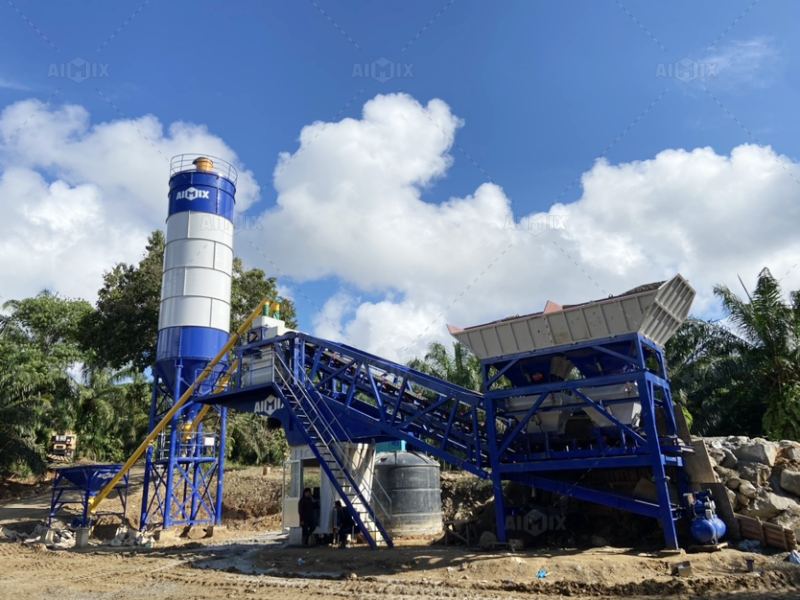
Mobile Concrete Batch Plant
- Quick setup and commissioning: Mobile plants need fast, accurate installation at each site.
- Assembly/disassembly checks: Inspect conveyors, hoppers, and sensors after each move to maintain proper alignment and performance.
- Flexible operation: Test manual and automatic modes to ensure smooth operation despite frequent relocations.
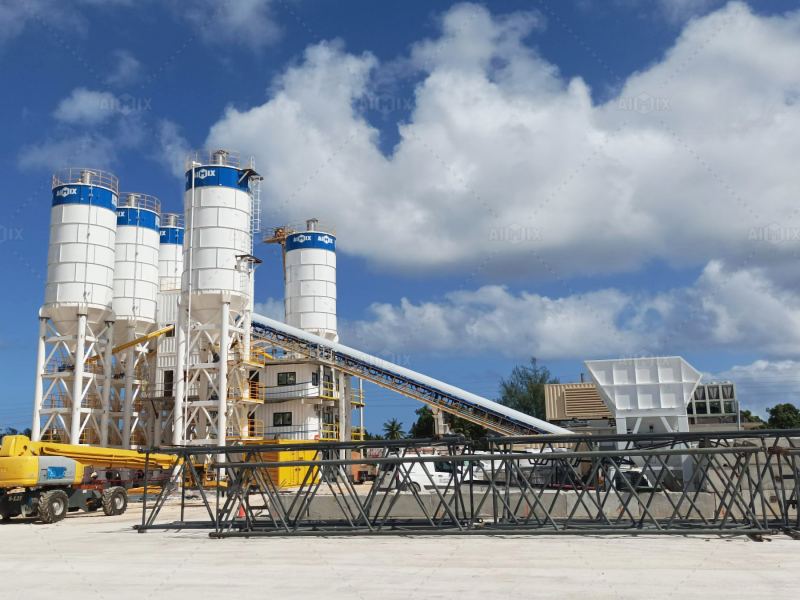
RMC (Ready-Mix Concrete) Plant
- High precision requirements: Exact batching, mixing, and water-admixture ratios are critical for client specifications.
- Data management and traceability: Record all batch information, including material weights, mixing time, and test results, to ensure quality and traceability.
- Automation focus: PLC and control systems should be finely tuned to handle multiple orders and automated processes efficiently.
Acceptance Criteria After Debugging a Batching Concrete Plant
After debugging, the plant should meet performance, quality, and safety standards before full operation. Clear criteria ensure reliable, efficient, and safe production.
Batching Accuracy
- Measurement error within ±1%: Verify weighing systems for aggregates, cement, water, and admixtures.
- Multiple batch checks: Confirm consistent accuracy across several test batches.
Continuous Operation Stability
- 8-hour test run: Operate the batching plant at design load to check motors, conveyors, and mixer performance.
- Monitor for issues: Watch for vibrations, overheating, or sensor errors.
Concrete Quality Verification
- Strength and consistency: Take test samples to confirm concrete meets project specifications for strength and workability.
- Adjust as needed: Modify mixing time, material ratios, or calibration if results are outside standards.
Safety System Inspection
- Emergency stops and limit switches: Test all safety devices.
- Guards and protection: Confirm dust covers and mechanical safety guards function properly.
Conclusion: Maximizing Value Through Proper Debugging

Thorough debugging and optimization elevate a concrete batch plant from standard operation to peak efficiency. Reliable systems, accurate measurements, and smooth workflows reduce unexpected downtime, extend equipment life, and support consistent project outcomes. Investing in careful commissioning ensures the plant delivers long-term value, stable performance, and maximum return on investment.
