

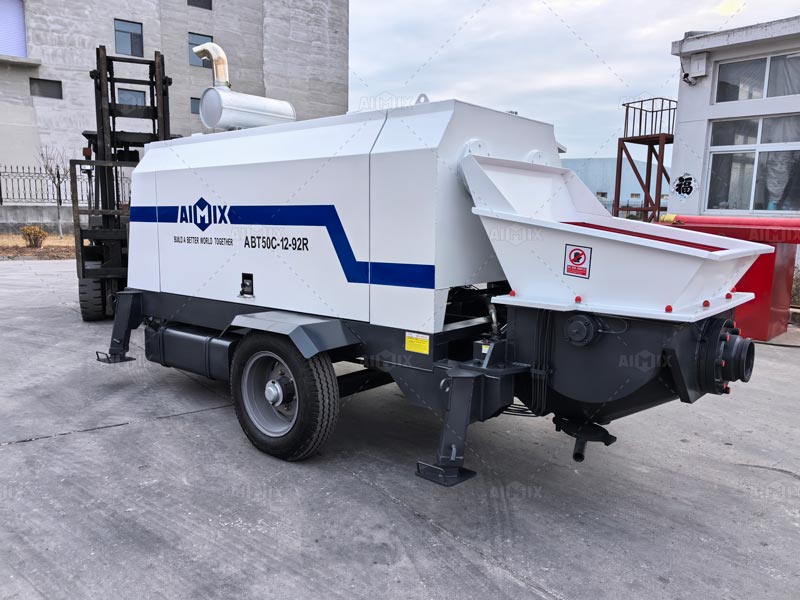
To ensure that concrete pumps perform at their best, guarantee work efficiency, and extend their service life, we need to clean them regularly. In this article, we’ll explore the importance of concrete pump cleaning and provide a step-by-step guide to help you keep your equipment in top condition.
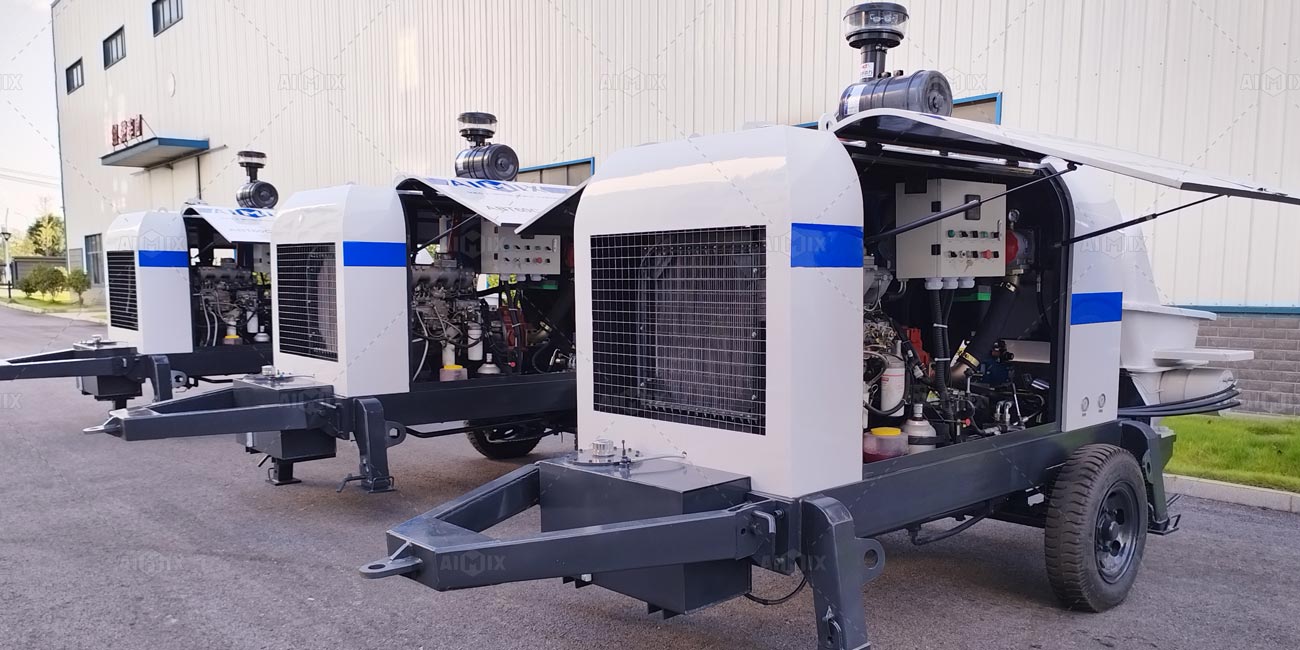
Material Needed When Cleaning Concrete Pumps
What materials are needed to clean a concrete pump? Here is a list of materials generally needed for cleaning concrete pumps:
- High-Pressure Water Source: To effectively flush out the pump and clean concrete pump lines, ensuring all concrete residue is removed.
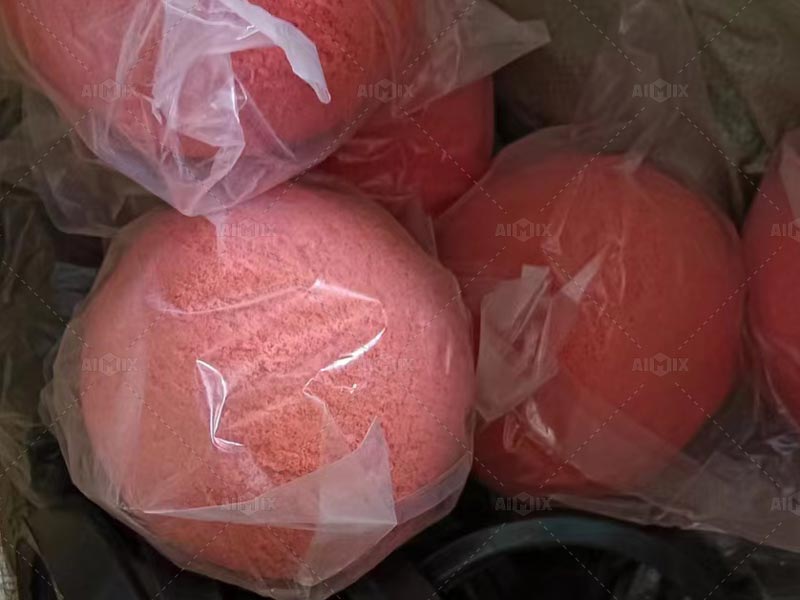
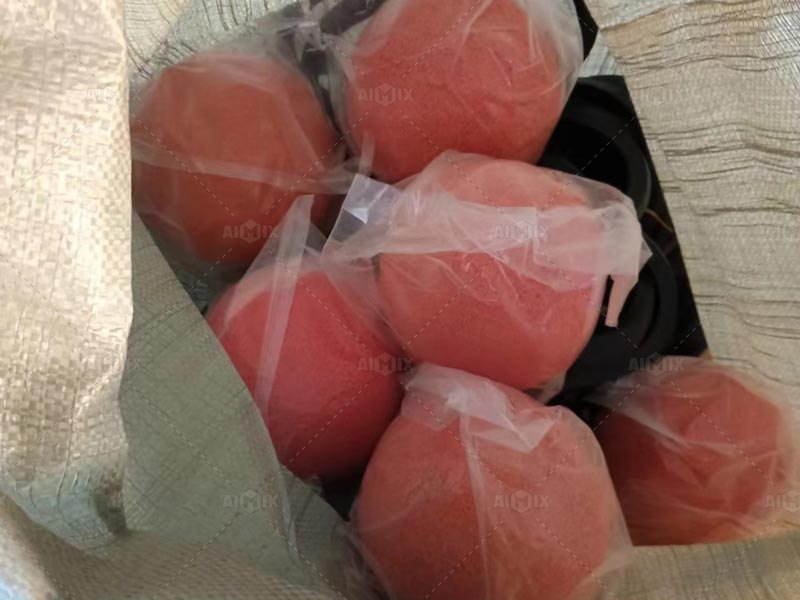
- Cleaning Balls: These concrete cleanout balls usually made of hard rubber or sponge material, are inserted into the pump pipe to help scrape away concrete debris. Sponge concrete pipe cleaning balls are especially effective when the pipe is long or when a more thorough cleaning is required.
- Brushes and Scrapers: We can use brushes and scrapers to clean areas that cannot be washed away with water. Remove concrete residues from pumps and pipes manually with their help.
- Personal Protective Equipment: These include gloves, masks, goggles, etc. to avoid prolonged skin contact with concrete and splashes in the eyes.
- Lubricants: Some moving parts need to be lubricated after cleaning. This will prevent rust and wear and ensure smooth operation and prevent rust and wear.
What’s the Concrete Pump Cleaning Procedure?
After watching this cleaning video below, I will then describe these steps in detail below to show you how to clean out a concrete pump truck.
Turn off the Power
Safety first! Ensure the pump is completely turned off and disconnected from any power sources to prevent accidental operation.
Put on Personal Protective Equipment
Wear appropriate personal protective equipment, including gloves, safety goggles, and masks to protect against injury and exposure to hazardous materials.
Initial Flush
Connect a high-pressure water source to the pump and begin flushing out the concrete residue from the pump and pipelines. This initial flush helps to remove the bulk of the concrete material.
Put into Cleaning Balls
Insert Cleaning Balls: Place the concrete pump cleaning ball into the pump’s pipeline. These sponge balls will be pushed through by water to scour and remove any remaining concrete residue inside the pipes.
Multiple Passes: You may need to pass the concrete pump balls through the pipes several times to ensure thorough cleaning.
Detailed Cleaning and Scraping
Brushes and Scrapers: Use stiff-bristle brushes and scrapers to manually remove any hardened concrete from the pump components, including the hopper, valves, and other accessible parts.
Chemical Cleaners: If there are stubborn concrete deposits, consider using the appropriate chemical cleaners to break down the residue.
Inspection of the Pump
Visual Inspection: Carefully inspect the pump and all its components for any signs of wear, damage, or remaining concrete build-up.
Check Seals and Gaskets: Ensure that seals, gaskets, and other critical parts are in good condition and replace them if necessary.
Lubrication and Storage
Apply Lubricants: Lubricate all moving parts and joints as recommended by the manufacturer to ensure smooth operation and prevent rust and wear.
Secure Storage: Store the pump and its components in a clean, dry place to prevent contamination and corrosion.
Importance of Concrete Pump Clean-Out
- Maintaining Pump Efficiency: The cleaned concrete pump runs smoothly, minimizing drag and increasing flow rates to provide reliable, consistent concrete delivery.
- Extending Equipment Lifespan: Removing abrasive concrete residue by cleaning reduces wear and tear, which in turn reduces the frequency of part replacement.
- Preventing Clogs and Blockages: Residual concrete material build-up can lead to clogging of the concrete pump’s pumping pipe, which can be avoided by cleaning, ensuring uninterrupted operation and reducing downtime.
- Ensuring Safety: Clean equipment is less likely to malfunction, avoiding dangerous situations caused by equipment failure.
- Maintaining Concrete Quality: Cleaning washes away previous concrete debris, thus ensuring that the fresh concrete is not contaminated with residual material and maintains the desired quality.
What Are the Benefits of Regular Cleaning of Concrete Pumps?
Regular cleaning of concrete pumps can bring many benefits, including faster construction schedules, lower maintenance costs, reduced safety incidents, etc.
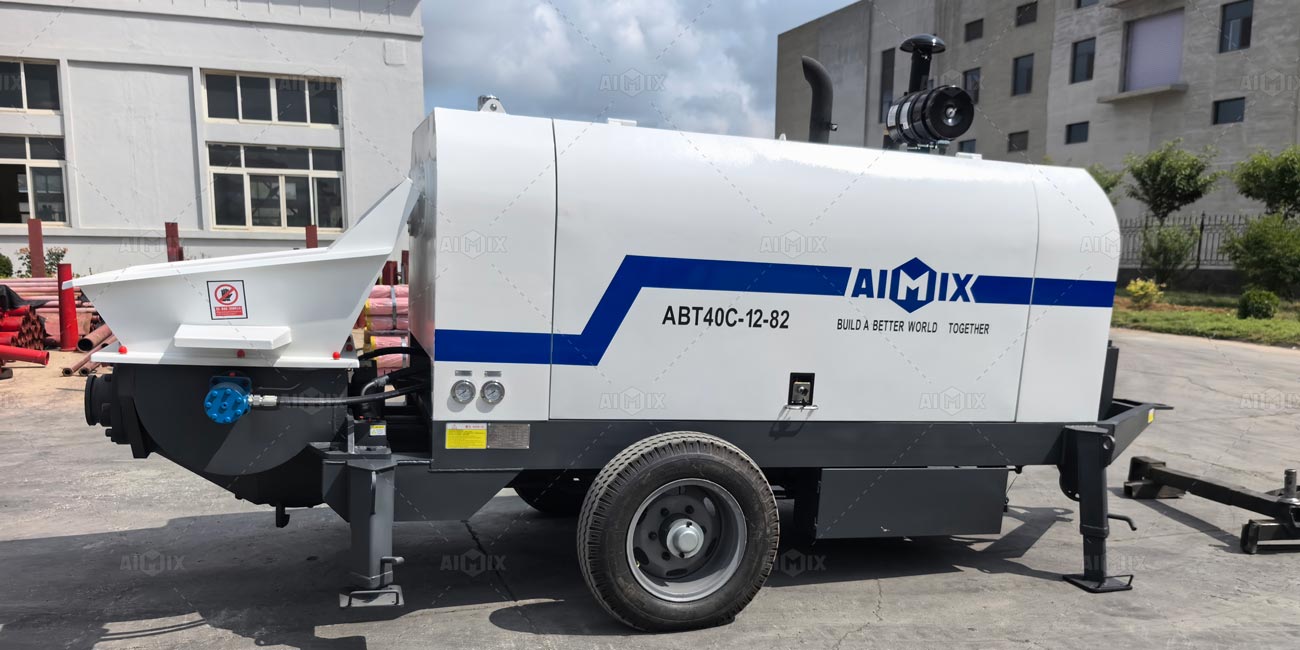
Accelerate Construction Progress
Cleaner pumps run more efficiently, speeding up the concrete pouring process and improving overall construction efficiency.
Reduce Maintenance Costs
Preventive cleaning extends the life of your pumps by keeping them in good condition, reducing costly repairs and parts replacement, and reducing the need to purchase new equipment.
Avoid Long-Term Problems
Regular cleaning helps to identify potential problems early so that timely intervention can be made and long-term damage can be avoided. Adopting and continuing maintenance ensures that the pump remains in optimum working condition and prevents long-term performance degradation.
Reduce Security Incident
Clean, well-maintained equipment is less likely to break down, thus reducing the risk of accidents and injuries on the job site.
Improve Construction Quality
Regular cleaning helps to maintain the consistency of the concrete mixture, resulting in higher quality concrete, which safeguards the quality of the building construction and helps to improve customer satisfaction.
Additional Tips for Extending the Lifespan of the Equipment
In addition to cleaning your concrete pump, I have the following suggestions for you to help extend the life of your machine.
Correct Operation
- Compliance with manufacturer’s guidelines: Operate the concrete pump properly to avoid damage to the equipment from improper operation.
- Operator Training: Ensure that all operators are fully trained in the proper use of the equipment, including start-up, operation and shutdown procedures. If you buy an Aimix concrete pump, we will provide professional training to help you get into production work as soon as possible!
Regular Maintenance and Inspections
- Routine inspections: Check for any visible signs of wear, leaks or damage, paying particular attention to hoses, seals and couplings.
- Regular maintenance: observe the manufacturer’s recommendations for maintenance of the concrete pump, including oil changes, filters and hydraulic system checks.
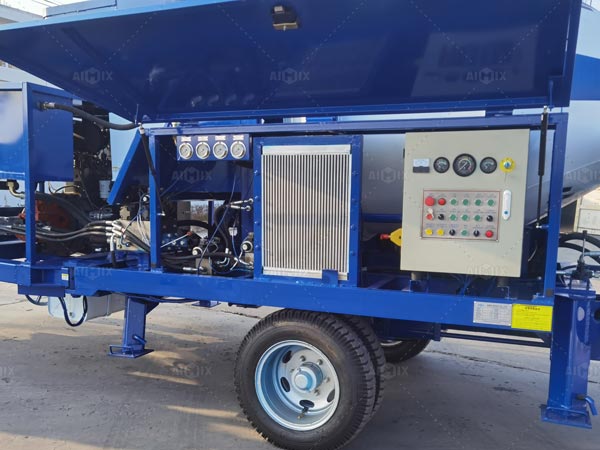
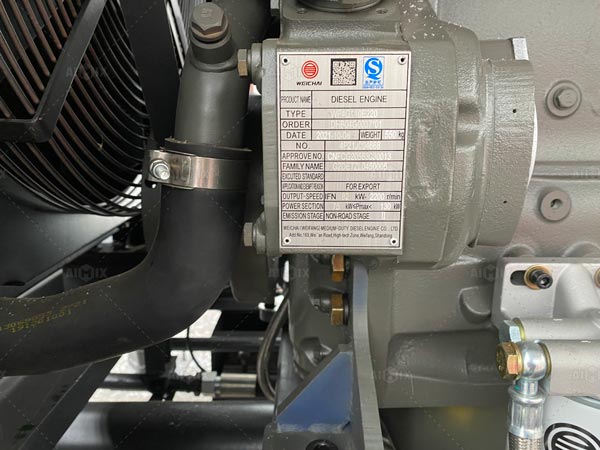
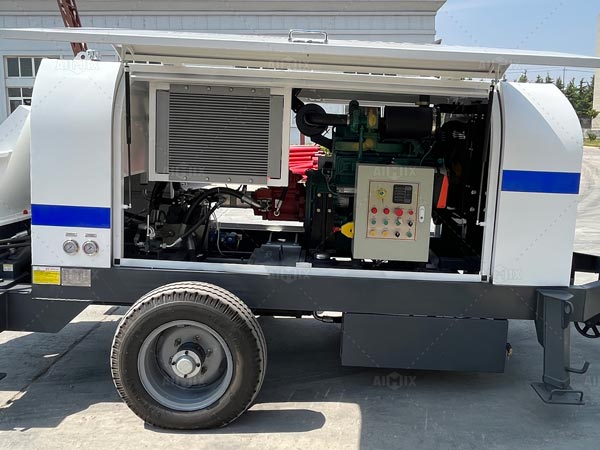
Monitor and Replace Wear Parts
- Monitor wear parts: Inspect wear parts, including belts, hoses, seals, and bearings frequently and replace them as needed to prevent unexpected breakdowns.
- Use quality parts: Always use high-quality or manufacturer-recommended replacement parts to ensure compatibility and performance.
By following the comprehensive cleaning procedures outlined above, construction professionals can ensure that their equipment is kept in top condition to support the successful completion of the project. It also ensures the quality and safety of the construction project.
In addition, if you purchase an Aimix concrete pump, we will provide you with cleaning materials such as concrete pump cleaning sponge balls. Click here for more information about Aimix concrete pumps.
