

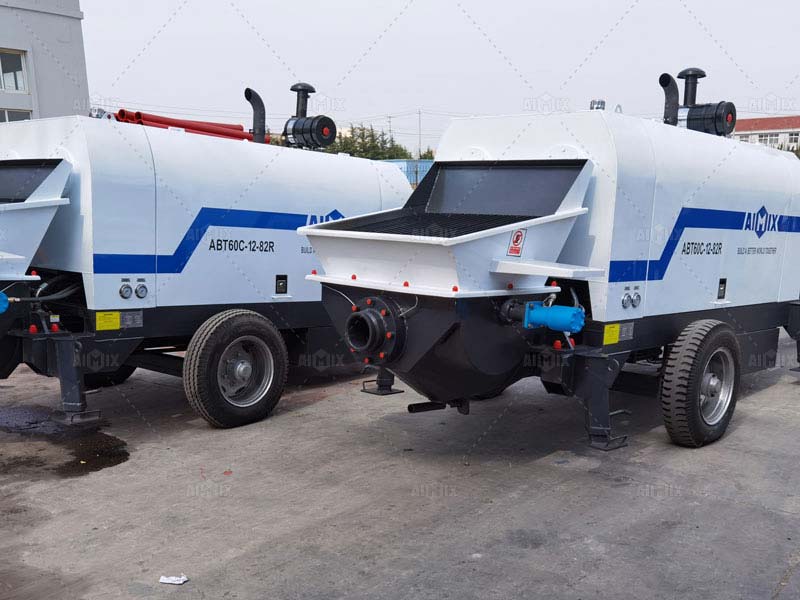
When your concrete pump breaks down, timely repair is critical to maintaining performance and reducing costly downtime. In this article, we will introduce the steps of concrete pump repair and introduce the precautions in the operation to help you extend the life span of your concrete pump.
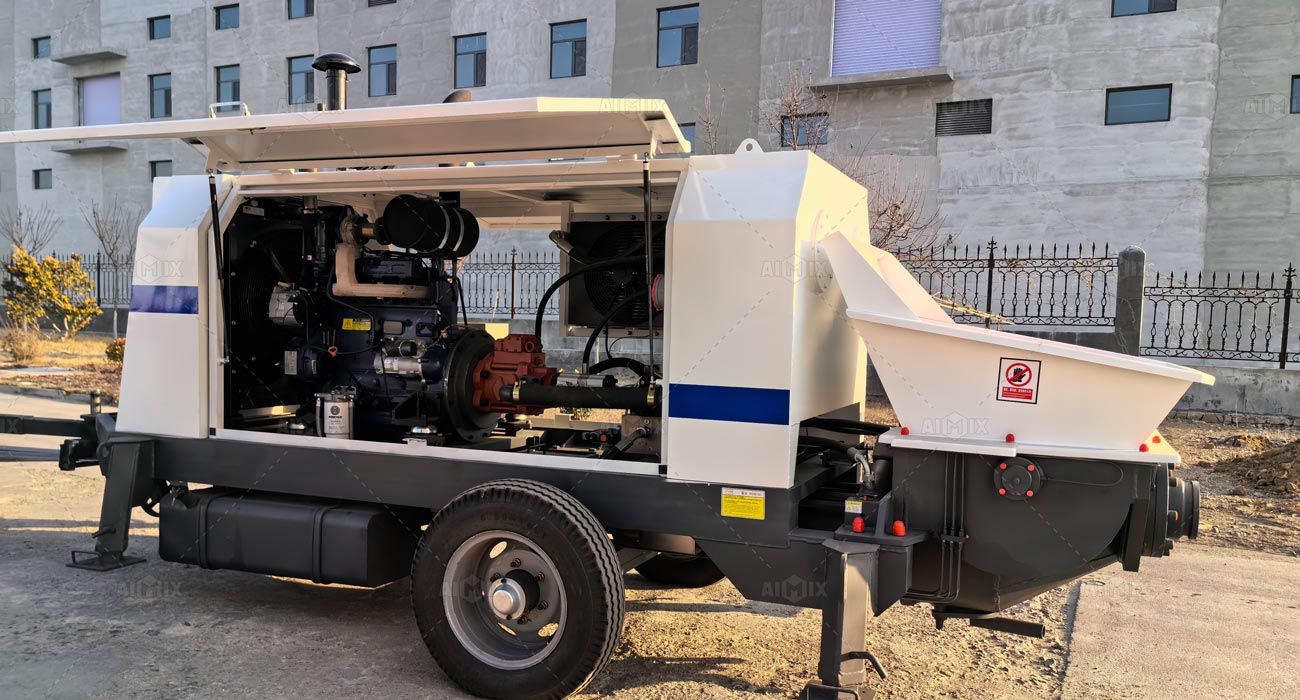
6 Steps of Concrete Pump Repairs
Effective repair practices help ensure operational efficiency and maintain safety standards. Below, we outline the six essential steps involved in concrete pump repairs.
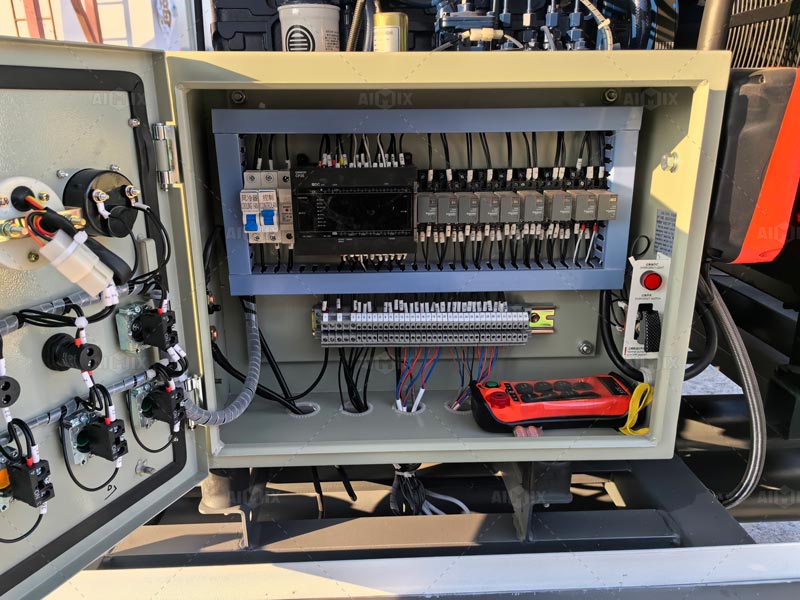
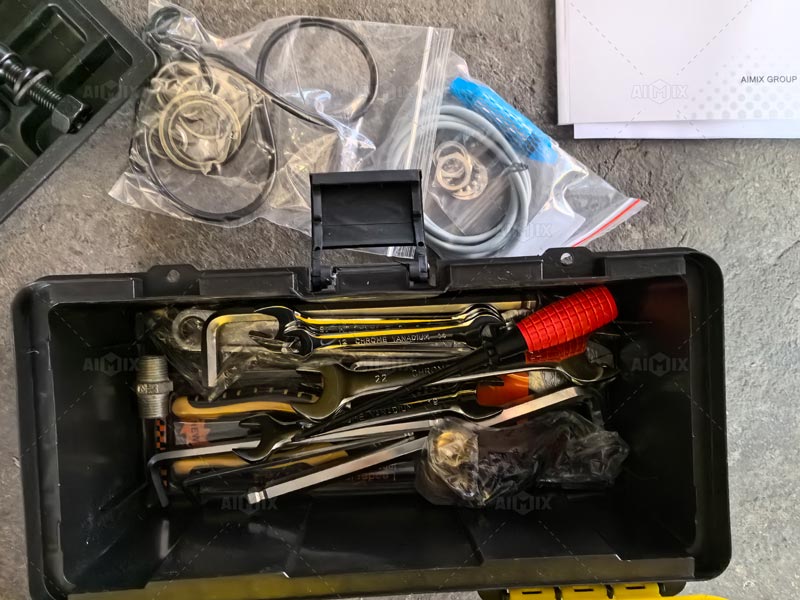
When a malfunction occurs, switch off the power and stop working immediately. You should pay particular attention to the parts of your pump following the concrete pump inspection checklist below:
- Pump Unit: Look for any visible signs of wear, damage, or corrosion on the pump unit.
- Hydraulic System: Check hose fittings and cylinder valves for leaks, cracks, or wear. Next, check the level and condition of the hydraulic fluid for signs of contamination or deterioration.
- Concrete Delivery System: Check the S-valve and concrete piston for wear and any signs of damage.
- Agitator and Hopper: Check the hopper for cracks, excessive wear, or concrete residue build-up, and clean if necessary. Also, check for wear and tear on mixer blades to ensure they are securely attached and working properly. And check to make sure screens and filters are clean and not clogged.
- Electrical System: Check wiring and connectors for corrosion, wear or damage. Make sure all connections are secure. Also, test the control panel for proper operation. By the way, take care to check the battery cells for proper charge and any signs of corrosion or damage.
- Mechanical Components: Check bearings for wear and ensure proper lubrication. Look for wear, tension, and alignment of drive belts and chains and replace if worn or damaged.
- Lubrication System: Make sure the lines are not twisted or pinched. Also, make sure there is enough grease at all lubrication points. Take care to check the level of the grease reservoir and refill as necessary.
- Hydraulic Leaks: One of the most common issues is hydraulic fluid leaks, which can lead to reduced efficiency and pressure in the system. This can occur due to worn seals, damaged hoses, or loose fittings.
- Clogged Hoses: Concrete is a thick material, and if not managed properly, it can clog the hoses. This not only affects the flow but can also put undue stress on the pump, leading to more severe issues.
- Wear and Tear: The internal components of the pump, such as pistons and valves, can wear out over time, resulting in decreased performance and potential failure.
- Electrical Issues: For electrically operated pumps, electrical failures can halt operations. These issues might arise from faulty wiring or malfunctioning control systems.
- Air Leaks: Air leaks in the system can lead to inefficient pumping and pressure drops. Identifying and sealing these leaks is crucial for optimal operation.
- Disassemble affected parts with care.
- Record all parts, screws and fittings to ensure accuracy of reassembly.
- Repair: If feasible, repair damaged components (e.g., welding minor cracks, replacing seals, etc.).
- Replace: Install new parts to replace any that are beyond repair.
- Source Parts: Obtain replacement parts from the manufacturer or authorized suppliers to ensure compatibility and quality. Aimix manufacturers offer original parts in stock, so Aimix concrete pump replacement parts are easy.
- Careful Reassembly: Reassemble the concrete pump truck carefully, ensuring that all parts are correctly aligned and securely fastened.
- Check Connections: Double-check all hydraulic and electrical connections to ensure they are secure and leak-free.
- Operational Test: First run the pump with water to check for proper operation and to ensure that there are no leaks or unusual noises. If the initial test is normal, perform a more thorough run test using concrete to ensure that the pump is under a normal operating condition.
- Check and Adjustments: Look for any signs of hydraulic fluid or concrete leaks. Then make any necessary adjustments to settings or components to optimize performance.
How to Lower the Fault Rate of Concrete Pump Repair?
Operate Properly
- Operator Training: Ensure that all operators are fully trained in the correct use of the concrete pump, including start-up, operation, and shut-down procedures, to prevent accidents and equipment damage. Aimix manufacturer will have specialized personnel available to train operators to ensure that the concrete pump is used to maximum effect.
- Monitoring During Operation: Continuously monitor pressure levels during operation. Avoid potential damage by exceeding recommended pressure limits. Also, avoid allowing the pump to run dry, which can cause serious damage to pump components.
- Handling Concrete Mix: Ensure that the concrete mix is consistent and does not contain large aggregates or foreign material that could cause blockages to prevent problems during pumping.

Clean Regularly
In order to ensure the quality of the concrete, as well as to keep the efficiency of the concrete pump, prevent clogging, and prolong its service life, we need to clean the concrete pump after use.
First, use a high-pressure water gun to rinse the surface of the concrete pump as well as the hopper and mixer to remove accumulated concrete residue.
Then put the sponge or rubber cleaning ball into the pipe and use the water pressure to push the ball through the pipe to effectively clean the inner wall.
Next, use a scraper or brush to thoroughly remove some stubborn concrete residue.
Here’s a cleaning video for your reference.
Maintain Periodically
Regular maintenance can detect possible problems in time, to avoid failure in the process of use. Then how to properly maintain your concrete pump? Next, I will give you a concrete pump maintenance checklist:
- Lubrication: Check and replenish grease at all lubrication points to ensure that all moving parts are properly lubricated in accordance with the manufacturer’s guidelines.
- Hydraulic System Maintenance: Periodically change the hydraulic filter and check the level of the hydraulic fluid. If there are leaks in the hydraulic fluid be sure to repair any leaks promptly.
- Electrical System Maintenance: Inspect and replace any damaged or corroded wiring and connectors.
- Mechanical Component Maintenance: Check gearbox, bearings, drive belts, chains for wear, tension, and alignment. Replace if worn or damaged.
- Preventive Replacement: Regular replacement of worn parts such as worn plates, cutting rings, and seals, even if they do not show immediate signs of failure.
By following these steps, you can effectively repair your concrete pump, reduce the failure rate, and extend the life of your equipment.
If you want to know more information, welcome to leave us a message, and we will give you the fastest reply!
