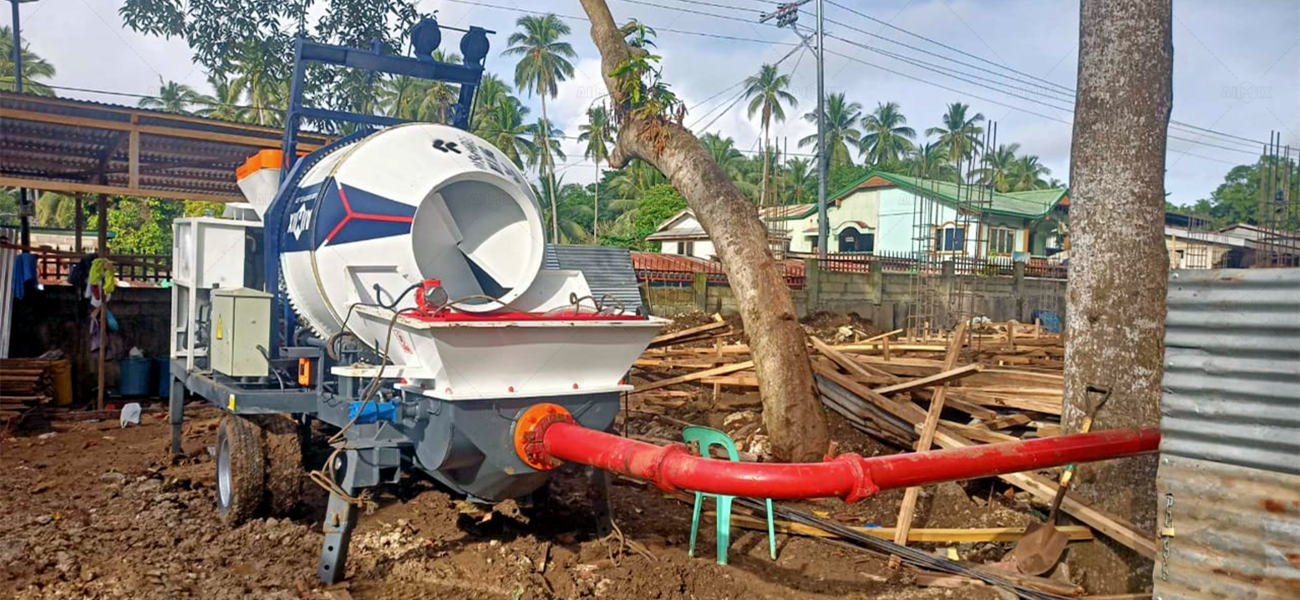

If you’re a construction professional planning project logistics or selecting equipment for high-rise builds or large-scale sites, knowing a concrete pump’s reach range is key to avoiding delays and cost overruns. Standard concrete pumps deliver horizontal pumping concrete distances from 150 to 500 feet, while truck-mounted concrete pumps typically achieve vertical reaches of over 200 feet with heavy-duty models extending horizontal ranges even further for sprawling construction needs. This reach is not fixed; it varies based on three core factors: the concrete pump’s type and model, the consistency of the concrete mix, and on-site operational conditions, all of which we’ll break down in detail in the following sections.
Core Factors Affecting Concrete Pump Reach
The actual pumping distance of a concrete pump is never determined by a single number—most on-site issues like “inadequate reach” or “mid-pipeline clogging” are related to the following 4 core factors. Understanding both the principles and practical applications helps you accurately match equipment to project needs:
Pump Type & Equipment Configuration (Foundation Determines Upper Limit)
The type of concrete pump and its core configuration are the fundamental factors shaping pumping reach—each type is engineered for distinct functional priorities, and these design differences directly dictate their range potential, rather than fixed numerical limits.
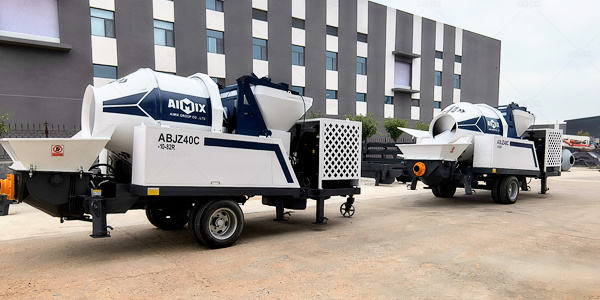
Beyond pump type, core components like hydraulic system pressure and delivery cylinder design also play a key role. High-pressure hydraulic systems enhance the pump’s ability to overcome resistance (from concrete viscosity or pipeline length), while optimized delivery cylinder designs improve material transfer efficiency—both working to extend effective reach by ensuring consistent, powerful concrete propulsion, regardless of the specific pump category.
Concrete Mix Proportion (Material Adaptation is Key)
The “state” of concrete directly determines smooth pumping:
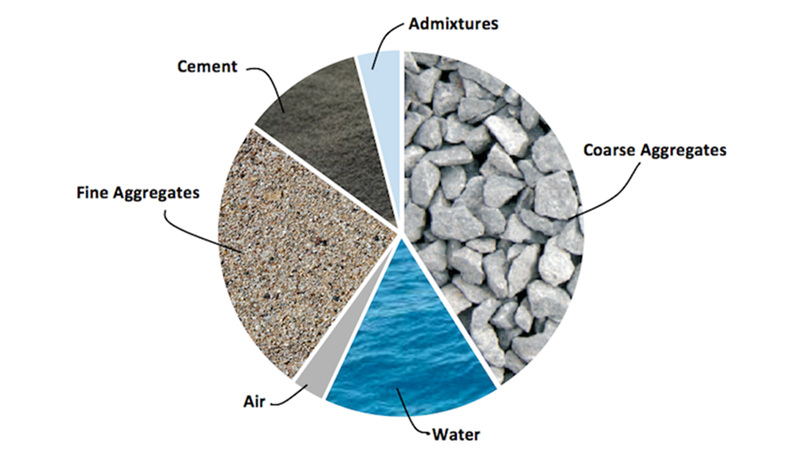
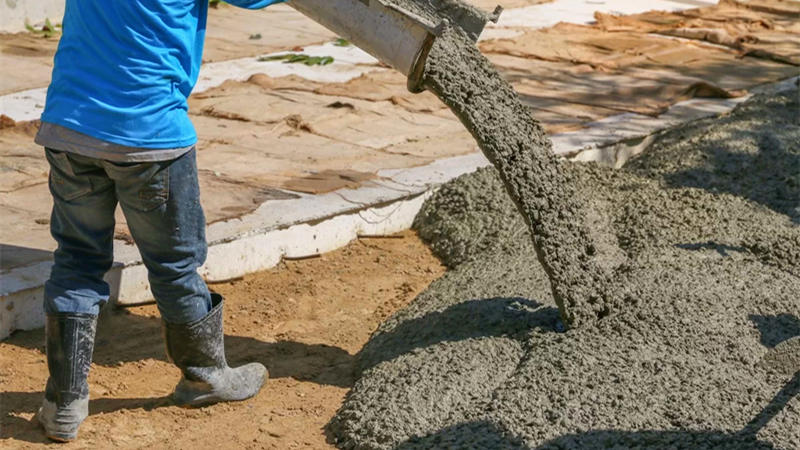
- Slump (fluidity index) should generally be controlled between 120-200mm. Too dry concrete (slump >220mm) causes segregation (sand/gravel sinking, cement paste floating), which not only affects project strength but also may deposit in pipelines and block the delivery path.
- Aggregate (sand/gravel) size is also critical: the maximum coarse aggregate size should not exceed 1/3 of the pipeline diameter. For example, a 125mm diameter pipeline requires aggregate ≤40mm to avoid jamming at elbows.
- Meanwhile, more uniform aggregate gradation and fewer needle-shaped particles improve fluidity, indirectly extending pumping distance. Additionally, adding admixtures like retarders and superplasticizers optimizes concrete fluidity, reduces resistance, and further extends reach.
On-Site Environment & Terrain (External Constraints)
Construction site terrain and environment directly increase pumping resistance:
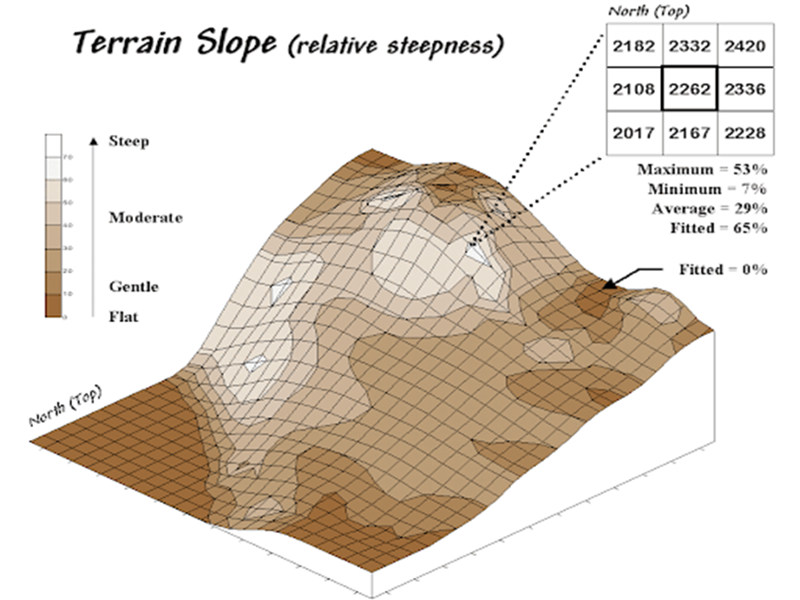
- Higher pumping heights mean the hydraulic system must overcome greater gravity—vertical reach is usually 30%-50% shorter than horizontal reach (e.g., a pump with 500 feet horizontal reach can typically only achieve 200-350 feet vertically).
- Sloped terrain doubles resistance during uphill pumping, reducing distance by 20%-30%, while downhill pumping can slightly extend reach.
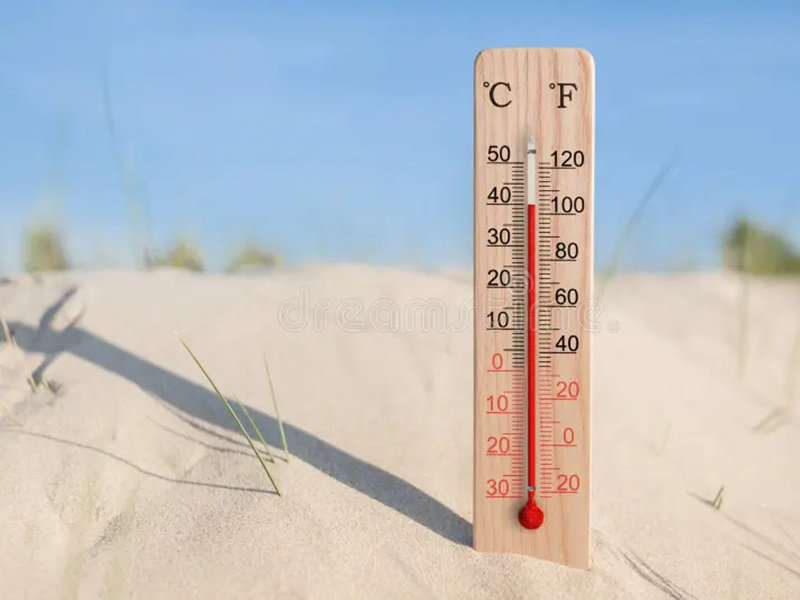
- Ambient temperature is also a factor: high summer temperatures (>35℃) accelerate concrete hydration, causing rapid fluidity loss—requiring shorter pumping distances or retarders. Low winter temperatures (<5℃) make concrete prone to setting, needing pre-heated aggregates or antifreeze to prevent reduced fluidity and shortened reach.
Pipeline Configuration & Layout (Details Affect Efficiency)
Pipelines are the “conduits” for concrete delivery, and their configuration directly impacts reach:
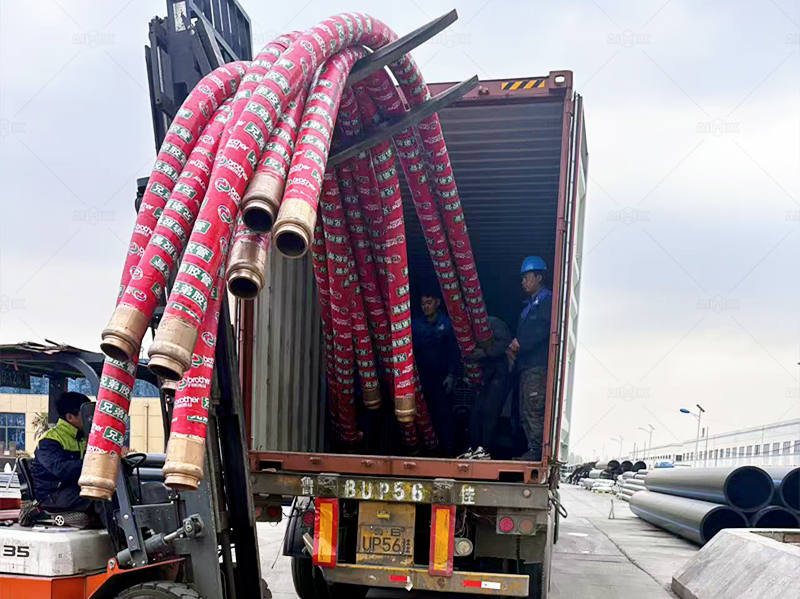
- Larger pipeline diameters reduce resistance—under the same pump, a 150mm diameter pipeline can extend reach by 20%-30% compared to a 125mm one.
- Longer pipelines increase cumulative resistance—every 100 feet of additional pipeline reduces reach by 10%-15%. For long-distance pumping, reducing elbows, and avoiding “inverted U-shaped” drops (to prevent concrete deposition and clogging) are essential.
- Additionally, the number and angle of pipeline elbows matter: a 90° elbow equals 10 meters of straight pipe in resistance, and a 45° elbow equals 5 meters. More elbows and steeper angles increase resistance and shorten reach.
These factors are interrelated—for example, a high-pressure pump paired with an improper concrete mix still fails to achieve the expected reach; conversely, optimized mix proportion with poor pipeline layout also affects pumping efficiency. Next, we’ll break down the horizontal/vertical reach data and applicable scenarios of different concrete pumps to help you quickly match project needs.
Concrete Pump Reach Distance Guide: Types, Data & Scene Adaptation
Pumping distance is a key factor in concrete pump selection. Choosing the right model for your site’s distance and height needs avoids delays and cost waste. Below is a concise breakdown of three main pump types, their reach, and ideal uses to help you decide quickly.
Scene-Based Selection Quick Reference Table
| Pump Type | Horizontal Distance | Vertical Distance | Core Adaptation Scenarios | Key Selection Reminders |
|---|---|---|---|---|
| Concrete Trailer Pumps | 300-500 feet (about 91.4-152.4 meters) | 30-50 meters | Large factories, municipal roads, small and medium residential foundations | Pay attention to concrete mix ratio and reserve distance redundancy |
| Concrete Mixer Pumps | 150-300 feet (about 45.7-91.4 meters) | 15-30 meters | Rural self-built houses, small municipal supporting projects, old building renovation | Suitable for narrow sites, pay attention to terrain slope |
| Boom Pumps | 300-600 feet (about 91.4-182.9 meters) | 61 meters and above | High-rise buildings, large bridges, venue buildings | Pay attention to boom length and high-altitude wind speed |
Concrete Trailer Pumps: Medium-Distance Universal Type
Core Pumping Distance Data
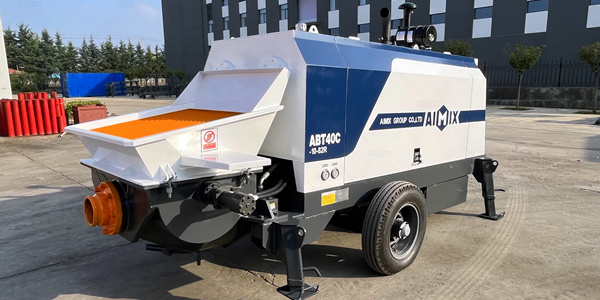
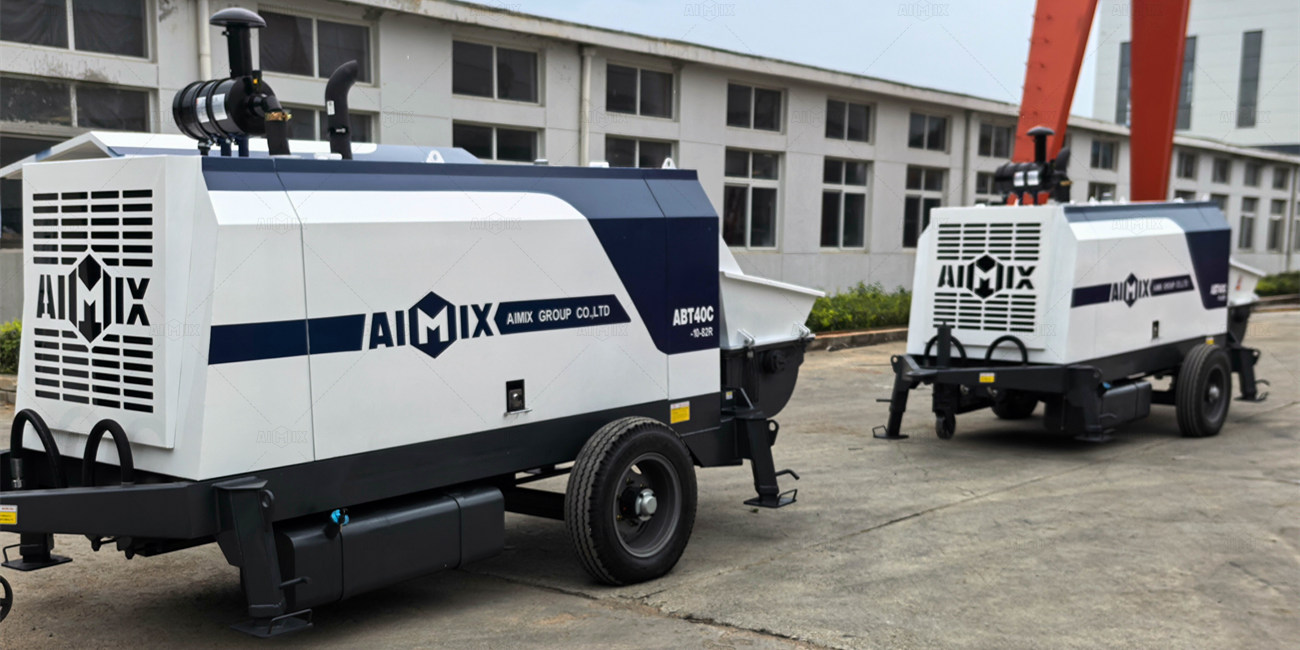
Concrete trailer pumps reach up to 500 feet horizontally (around 152m), typically 300-450 feet in practice. Vertical reach is 30-50m with dedicated pipes. Pump power and concrete mix (aggregate size, slump) affect actual performance.
Adaptation Scenarios & Selection Logic
Trailer pumps excel at medium-distance pumping for open sites, no need for vehicle bearing. Ideal scenarios include:
- Large Factories/Warehouses: Covers wide open areas for floor or beam-column pouring without frequent equipment moves.
- Municipal Roads/Bridge Approaches: Suits long linear projects (e.g., road bases) with extendable pipes for longer reach.
- Small-Medium Community Foundations: Cost-effective for low-rise (≤10 floors) basement or ground-floor pouring.
Selection Tip: Reserve 10-15% distance redundancy for concrete with large aggregates or low slump to avoid pipe clogs.
Concrete Mixer Pumps: Short-Distance Flexible Type
Core Pumping Distance Data
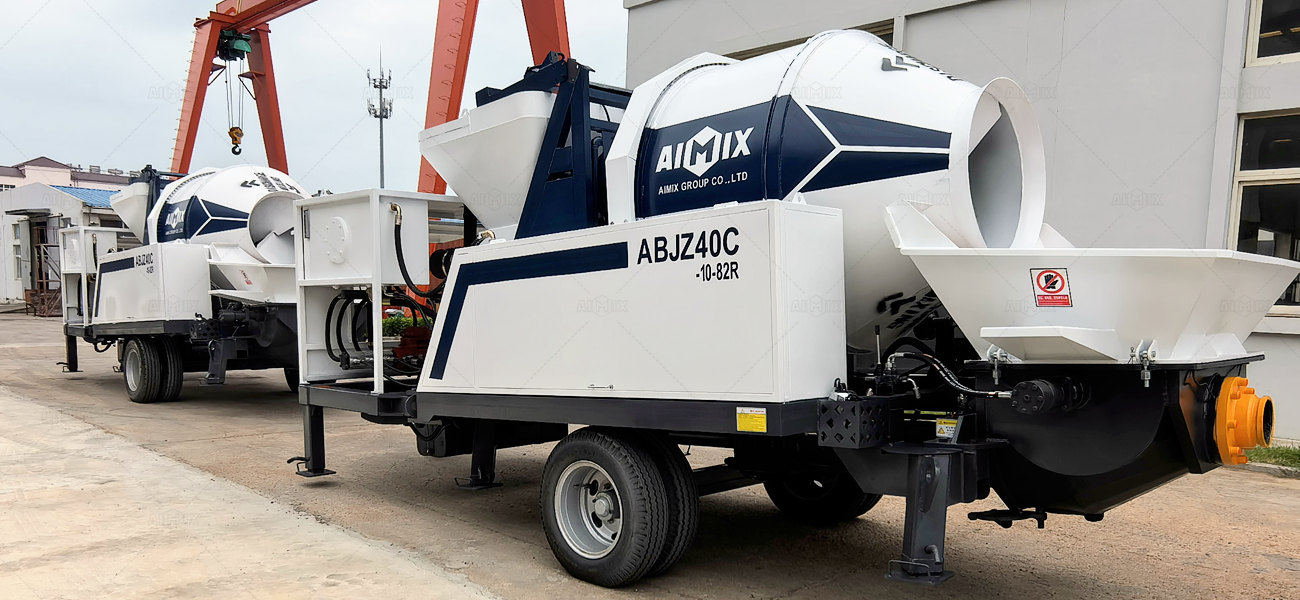
Concrete mixer pumps have a horizontal reach of 150-300 feet (46-91m) and vertical reach of 15-30m. Site flatness and pump power influence performance, fitting short-distance small projects.
Adaptation Scenarios & Selection Logic
Combining mixing and pumping functions, these concrete mixer pumps need no extra mixers. They’re perfect for narrow, scattered short-distance sites:
- Rural Houses/Villas: Easy to move for 1-3 floor projects, even on sloped terrain (e.g., mountain villas).
- Small Municipal Projects: Suits scattered tasks (sidewalks, septic tanks) with less pipeline loss and no concrete segregation.
- Old Building Renovations: Flexible for tight sites (e.g., elevator additions) where large equipment can’t fit.
Selection Tip: Choose high-power models for steep slopes (>15°) to maintain pumping stability.
Concrete Boom Pumps: Long-Distance/High-Altitude Specialized Type
Core Pumping Distance Data
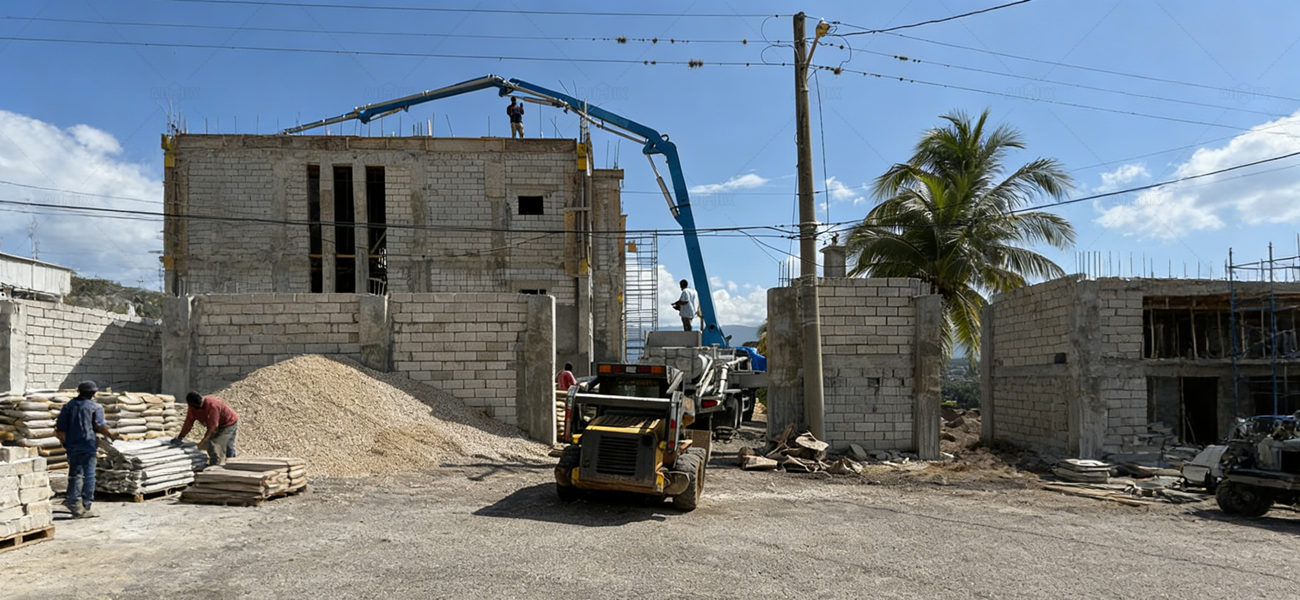
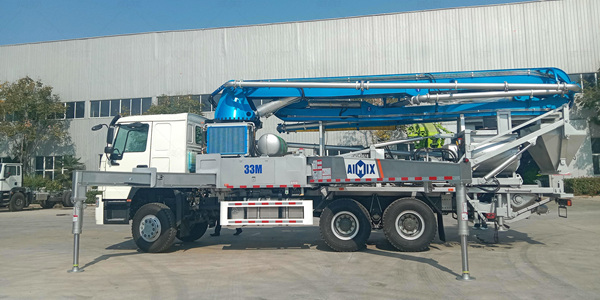
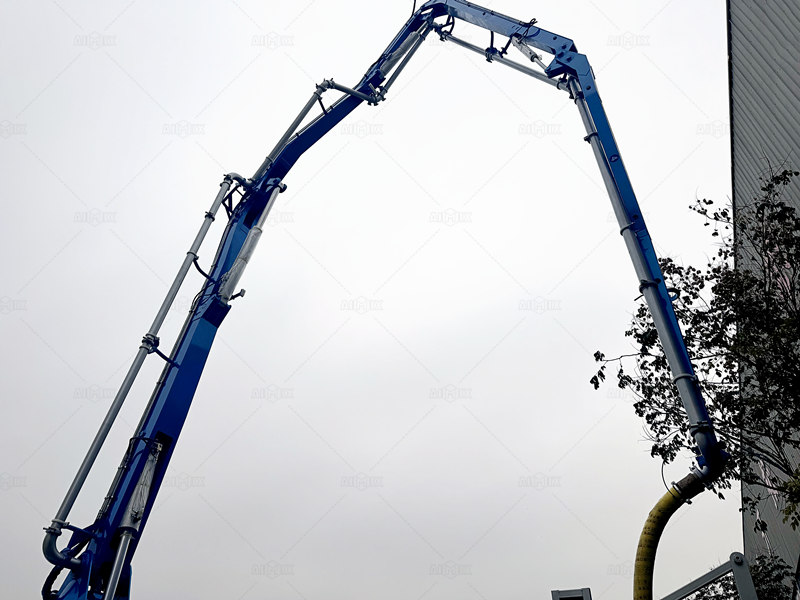
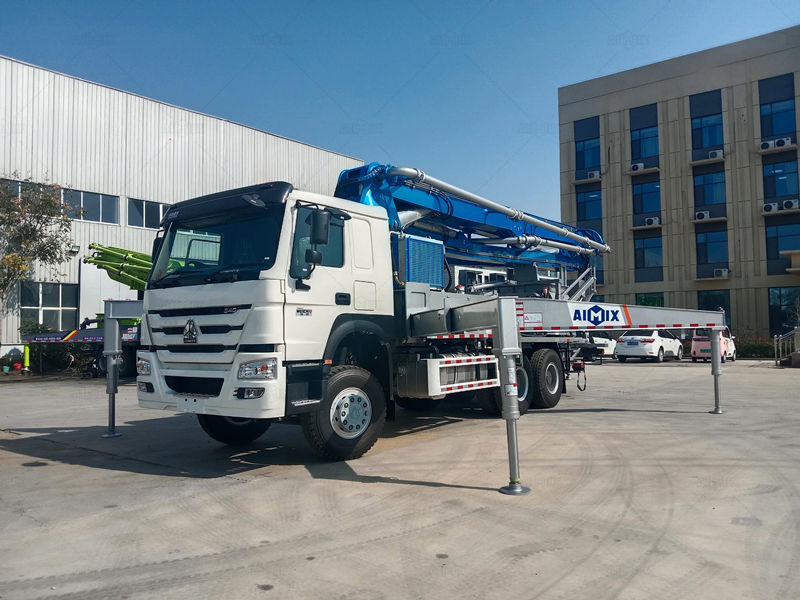
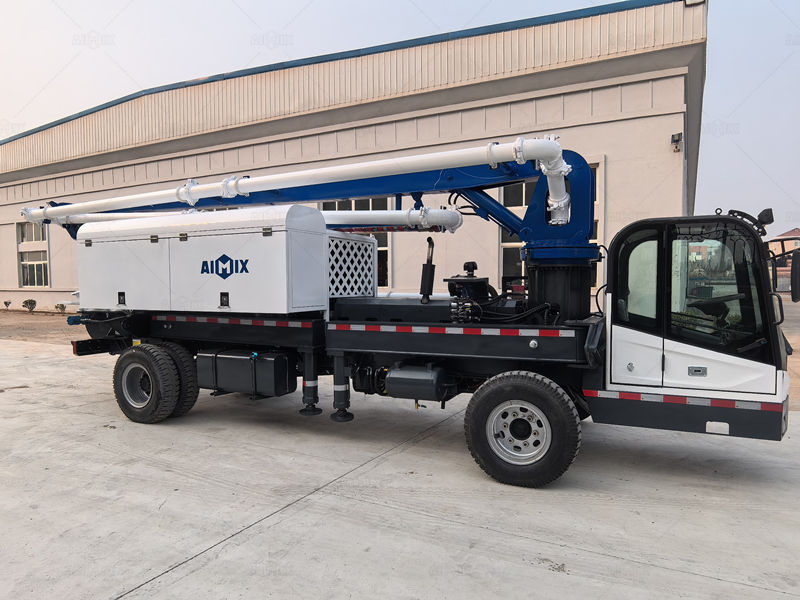
Boom pumps are the top choice for long-distance and high-altitude projects. They reach over 200 feet (61m) vertically and 300-600 feet (91-183m) horizontally; large models exceed 100m vertically.
Adaptation Scenarios & Selection Logic
With vehicle-mounted booms, the boom concrete pumps adjust angles easily without extra pipes. Ideal for high-rise, large-scale projects:
- High-Rise Buildings: Covers 10+ floor (>60m) roof and floor pouring, avoiding high-altitude pipeline risks.
- Large Bridges/Elevated Roads: Fits long-span, high main towers or box girders, even in complex field conditions.
- Venues/Landmarks: Covers wide open areas (gymnasiums, exhibition centers) and adapts to curved or special-shaped structures.
Selection Tip: For high-altitude work, pause if wind speed exceeds Level 6 and choose the right boom length for building height.
Beyond Distance: Key Considerations
Besides pumping distance, pumping speed and the impact of long-distance/high-rise pumping on costs and planning are crucial for project success. Below is a practical breakdown with real engineering data to help you make informed decisions.
Concrete Pumping Speed: What You Need to Know
Pumping speed directly affects construction efficiency, and its actual performance depends on pump type, concrete mix, and project requirements. Typical speed ranges and real cases are as follows:
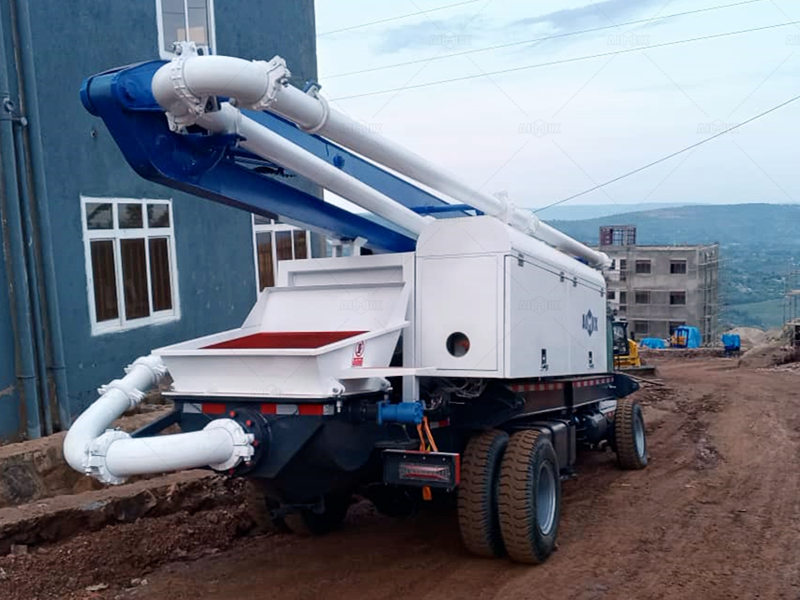
Speed Ranges by Pump Type: Mixer pumps (short-distance) usually work at 10-30 m³/h; trailer pumps (medium-distance) reach 20-80 m³/h; boom pumps (large-scale projects) can achieve 30-100 m³/h. For ultra-large projects, the maximum hourly output can reach 600 m³ with multiple pumps working simultaneously.
Factors Affecting Speed: High-performance concrete (e.g., C70/C80) with low water-binder ratio (0.18-0.24) may reduce speed slightly due to high viscosity, but adding superplasticizers can optimize fluidity. Long-distance pumping (over 300m) increases friction loss, reducing speed by 10-20% compared to short distances.
Cost Impact of Long-Distance/High-Rise Pumping
Long-distance (over 300 feet) or high-rise (over 60m) pumping will increase costs due to additional equipment, materials, and labor. Key cost drivers include:
- Equipment & Material Costs: High-rise pumping requires high-pressure pumps, whose rental cost is 30-50% higher than conventional models. Pipe loss also increases—long-distance pumping may raise pipe replacement costs by 20-30% due to friction.
- Concrete Mix Costs: Ultra-high pumping needs high-performance concrete with optimized aggregate gradation and admixtures (e.g., polycarboxylate superplasticizers), increasing material costs by 15-25% compared to ordinary concrete.
- Labor & Management Costs: Long-duration high-rise pumping requires 24-hour shifts and dedicated quality control personnel (e.g., testing concrete slump per truck), increasing labor costs by 10-15%.
Planning Essentials for Long-Distance/High-Rise Pumping
Reasonable planning can mitigate risks and control costs. Key considerations include:
- Pipeline Layout Optimization: For high-rise pumping, use fixed pipelines with secure supports to avoid high-altitude risks; for long-distance linear projects (e.g., bridges), extend pipes step by step and calculate friction loss via the Darcy-Weisbach equation in advance.
- Concrete Property Adjustment: For pumping heights over 200m, adjust the mix to reduce plastic viscosity—tests show that 260m high pumping can cause a significant decrease in concrete plastic viscosity. Add viscosity modifiers to prevent segregation.
- Construction Organization: For large-scale projects, deploy multiple pumps and transport vehicles (e.g., 10 boom pumps and 90 mixers for 47,000 m³ continuous pouring). Monitor wind speed (suspend work if over Level 6) and temperature to avoid quality issues.
After covering key considerations like speed, costs, and planning, we’ve compiled frequently asked questions (FAQs) on topics not previously addressed. These answers aim to resolve your potential doubts and support more informed construction decisions.
FAQs
What factors limit the maximum vertical pumping height?
Key limits include pump pressure capacity, pipeline strength, and concrete properties. High-altitude environments can also reduce effective height due to lower air pressure.
Can special concrete types affect pumping distance?
Yes. Self-compacting concrete boosts distance slightly with better fluidity, while high-strength concrete (C80+) or mixes with large aggregates may shorten it due to higher viscosity.
Do weather conditions impact long-distance pumping?
Extreme temperatures (below 5℃ or above 35℃) and strong winds (over Level 6) can affect concrete fluidity and pump stability, requiring mix adjustments or temporary work pauses.
How to prevent pipe blockage during long-distance pumping?
Optimize concrete slump (120-180mm), check pipeline integrity beforehand, and use viscosity modifiers to enhance cohesion, avoiding segregation.
Is it necessary to use high-pressure pumps for all high-rise projects?
No. For buildings below 60m, conventional boom pumps suffice; high-pressure pumps are only required for ultra-high projects (over 200m) or lightweight aggregate concrete pumping.
How often should pumps be maintained for long-distance use?
Daily checks (seals, pipelines), weekly hydraulic system maintenance, and monthly comprehensive overhauls to ensure stable long-distance performance.
Conclusion
Whether you’re building a rural villa, a municipal road, or a high-rise landmark, matching the right pump to your site’s terrain, height, and scale is key to efficient, cost-saving construction. While this is an informational guide, we understand many readers may have underlying project needs—if you want personalized model recommendations, accurate cost estimates, or technical advice tailored to your specific project details (area, height, concrete type), feel free to share your requirements. Our Aimix service team will provide data-backed insights to help you avoid selection mistakes and streamline your construction progress.