

The construction industry is experiencing a major transformation. Precast concrete plants are becoming the backbone of modern infrastructure, driven by urban growth, labor shortages, and sustainability goals. This change is reshaping concrete’s role, turning it from a basic construction material into a precise industrial input. In this evolving landscape, batching plants can no longer function as simple suppliers—they need to become reliable partners, providing consistent quality, flexible delivery, and technical support to meet the growing demands of the precast sector.
Growth Drivers of the Precast Concrete Industry
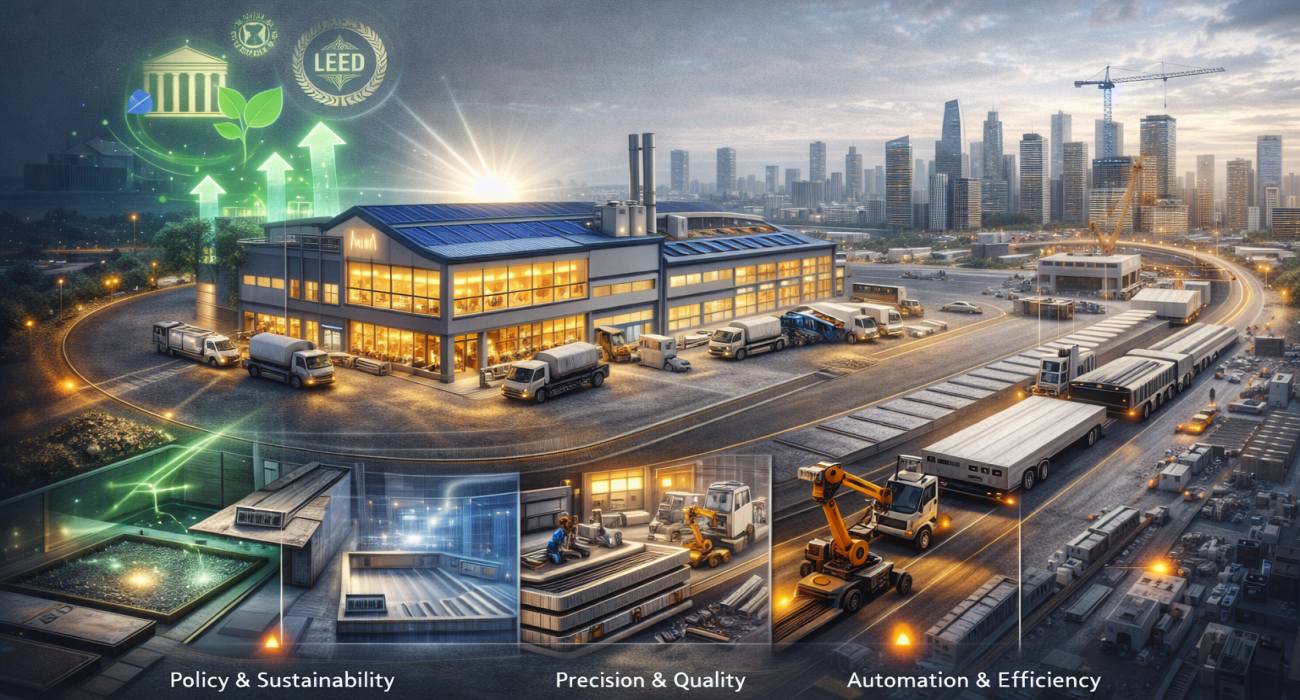
Policy Support for Prefabrication
Government regulations are increasingly promoting prefabricated construction, linking incentives to energy efficiency, waste reduction, and green building certification. Globally recognized standards like LEED and BREEAM award credits for using precast and sustainable materials, encouraging adoption in commercial and infrastructure projects.
In 2024, eco-friendly precast elements accounted for a growing share of certified green projects, with over 35% of new precast installations incorporating low-carbon or recycled materials (Based on MarketGrowthReports, 2025).
Urbanization and Infrastructure Demand
Rapid urbanization is creating unprecedented demand for high-volume, standardized construction. Large-scale infrastructure projects such as highways, bridges, and high-rise buildings require consistent, high-quality components that traditional on-site casting cannot efficiently provide.
In the Asia Pacific region, more than one-third of urban construction projects now use factory-produced precast components, highlighting the increasing reliance on controlled production environments (Insights from EmergenResearch, 2025).
Labor Shortages and Cost Pressures
Skilled labor is increasingly scarce and costly, making on-site mixing and casting challenging. Precast production shifts much of the work to controlled factory environments, reducing dependence on on-site labor and improving efficiency.
Industry data indicates that precast adoption can reduce on-site labor requirements by 20–30%, addressing workforce shortages and lowering labor costs.
Quality Advantages of Factory Production
Factory-based production ensures consistent material properties through controlled curing, precise mix designs, and standardized handling. This predictability is critical for structural performance, especially in complex or safety-sensitive projects.
Recent studies show that factory quality control produces up to 90% of components meeting strict structural standards on the first pass, significantly higher than traditional on-site casting (Insights from MarketGrowthReports, 2025).
Policies, urbanization, labor shortages, and quality demands are driving rapid growth in the precast concrete industry. This expansion is creating higher requirements for concrete supply, pushing batching plants to adapt to industrial-scale production.
The Industrial Logic of Precast Plant Production
Continuous Assembly-Line Production
- Precast plants operate like industrial assembly lines, where components move sequentially through casting, curing, and finishing. Continuous production improves efficiency, but timing is critical. Industry data shows that continuous precast production lines can increase output by approximately 25–30% compared to traditional batch operations, significantly boosting productivity in high‑demand environments. (Based on ZipDo Precast Industry Report)
- Delays in concrete delivery can slow the line and increase material or labor inefficiencies. Coordinating concrete supply with production schedules helps ensure smooth operations, positioning batching plants as integrated partners rather than simple suppliers.
Mold Circulation and Steam Curing
- Mold turnover is a core element of precast efficiency. Each mold should be filled, cured, and emptied before reuse, and many factories rely on steam curing to accelerate strength gain. According to industry insights, steam or autoclave curing methods can reduce production time by 30–60%, enabling faster mold cycles and increased plant throughput. (Insights from ZipDo Precast Industry Report)
- Deviations in delivery or mix consistency can create bottlenecks and slow production. Concrete suppliers that understand mold cycles and adjust accordingly help maintain steady output and better support the plant’s workflow.
Production Rhythm and Line Balancing
- Precast production lines require careful balancing of labor, equipment, and material flow. Concrete deliveries should align with the line’s pace to avoid downtime or waste. Efficient coordination and scheduling contribute directly to plant productivity and cost control.
- Flexibility in volume and mix adjustments allows suppliers to respond to minor schedule changes, helping the prefabricated plant sustain a smooth, uninterrupted rhythm.
Quality Traceability and Documentation
- Each batch of concrete is tracked for mix, curing, and placement to ensure consistent performance and compliance with standards. Variability in concrete can affect traceability and require additional verification.
- Reliable material with accurate documentation supports the plant in maintaining both quality and operational efficiency.
Minimizing Downtime Risks
- Interruptions in concrete supply can impact multiple production stages, reduce mold utilization, and delay schedules.
- Batching plants that provide responsive support, flexible capacity, and timely delivery contribute to minimizing downtime and become collaborative partners in production.
New Requirements for Concrete Supply in Precast Production
Precast plants place higher demands on concrete supply compared to traditional construction. The industrialized workflow, multiple product types, and strict quality standards require suppliers to provide materials that are reliable, flexible, and precise. Key requirements include:
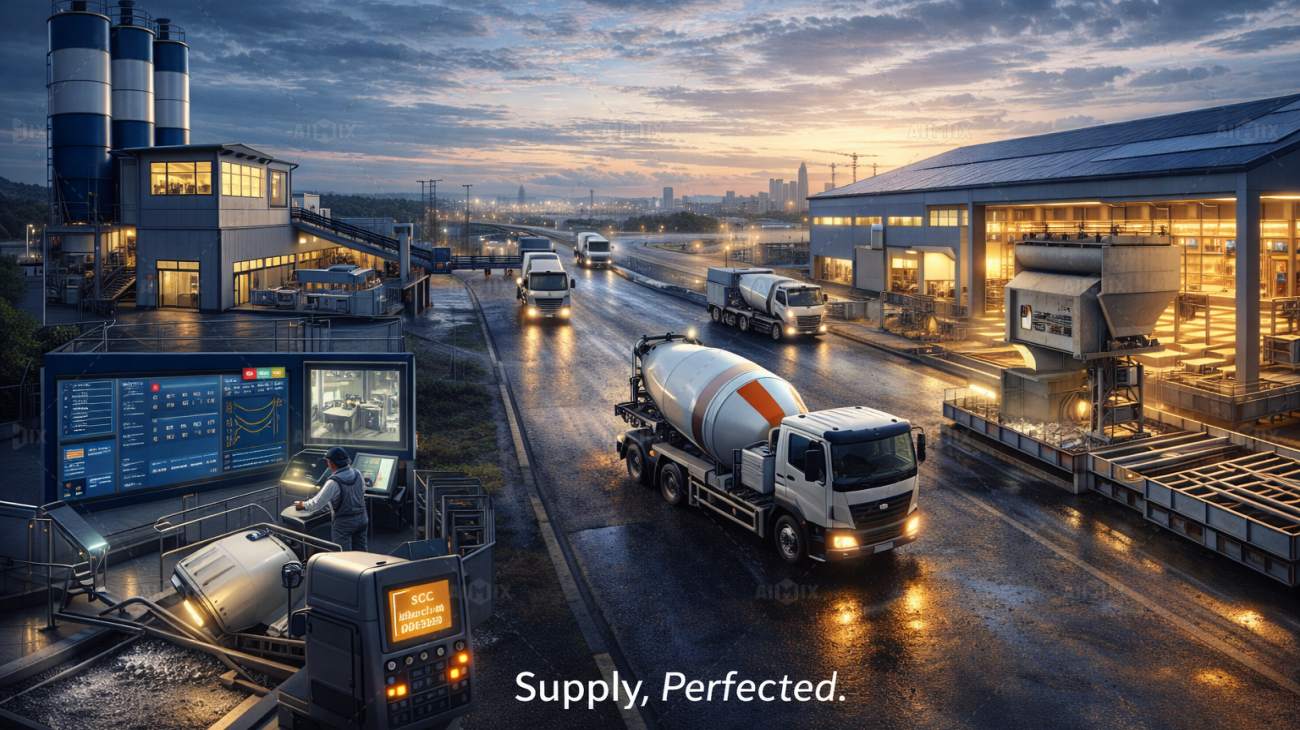
High Consistency and Repeatability
- Concrete should deliver uniform strength, slump, and workability across batches to ensure predictable mold release and component quality.
- Suppliers with advanced quality control can reduce variability, limiting on-site adjustments and rework.
- Consistent material performance also supports traceability and regulatory compliance.
Continuous Supply Capability
- Precast concrete production lines require nearly uninterrupted concrete flow; even minor delays can halt production and disrupt mold turnover.
- Flexible logistics and proactive scheduling help ensure steady delivery without forcing plants to overstock or alter schedules.
Multi-Mix Production Flexibility
- Precast facilities often use different concrete grades and formulas for various components.
- Concrete suppliers that can switch between mixes efficiently and accurately help precast plants manage multiple production streams while maintaining workflow continuity.
High-Performance and Self-Compacting Concrete
- Industrialized production increasingly relies on specialized concretes, such as self-compacting or high-performance mixes.
- These materials improve placement efficiency, reduce vibration requirements, and ensure high surface quality, requiring precise mixing and careful material management.
Admixture and Cementitious Material Compatibility
- Precast plants often incorporate admixtures, supplementary cementitious materials, or low-carbon binders.
- Compatibility and careful integration of these materials help maintain workability, strength, and curing performance, while supporting sustainability targets.
The Changing Role of Concrete Batching Plants in the Supply Chain
As precast production becomes more industrialized, concrete batching plants are expected to do more than simply deliver concrete. With higher demands for consistency, multiple mix formulas, and continuous supply, their role is evolving into that of integrated production partners. They now need to align closely with factory operations, coordinate schedules, and provide technical support to help maintain workflow efficiency and product quality.

Role Evolution: From Supplier to Production Partner
- Traditionally, batching mixing plants focused on job-site deliveries. Today, they are expected to act as part of the factory’s infrastructure, providing reliable, production-ready concrete aligned with plant schedules.
- This evolution transforms the supplier into a collaborative partner, contributing to mold turnover, production continuity, and overall workflow efficiency.
- By offering technical support and adapting to factory needs, batching plants help precast operations maintain quality and operational stability.
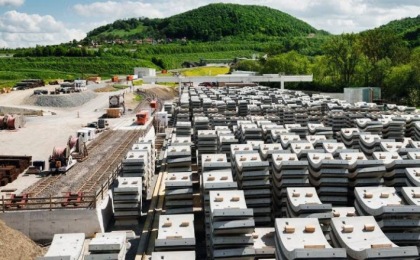
Scheduled Supply and Production Coordination
- Continuous and predictable supply is critical. Interruptions can slow multiple production stages, delay mold circulation, and affect overall efficiency.
- Modern batching plants coordinate closely with precast production schedules, planning multiple deliveries with different mixes to match line requirements.
- Sharing data on production pace and mold turnover enables proactive adjustments, minimizing the risk of downtime while supporting flexible scheduling.
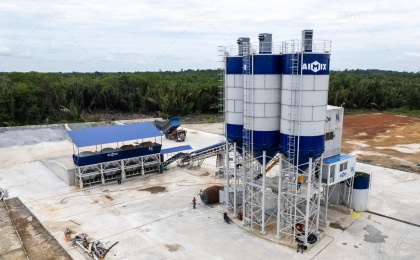
Integrated Systems and Operational Flexibility
- Precast plants demand concrete from suppliers capable of handling multiple formulas, variable volumes, and rapid schedule changes.
- Integration involves linking batching operations, quality monitoring, and delivery tracking with the plant’s production system. This allows real-time adjustments and reduces operational disruptions.
- Advanced mixing technology, automated control systems, and digital management tools help suppliers respond to diverse production needs while maintaining consistency and traceability.
Why Precast Plants Are Building Their Own Batching Facilities
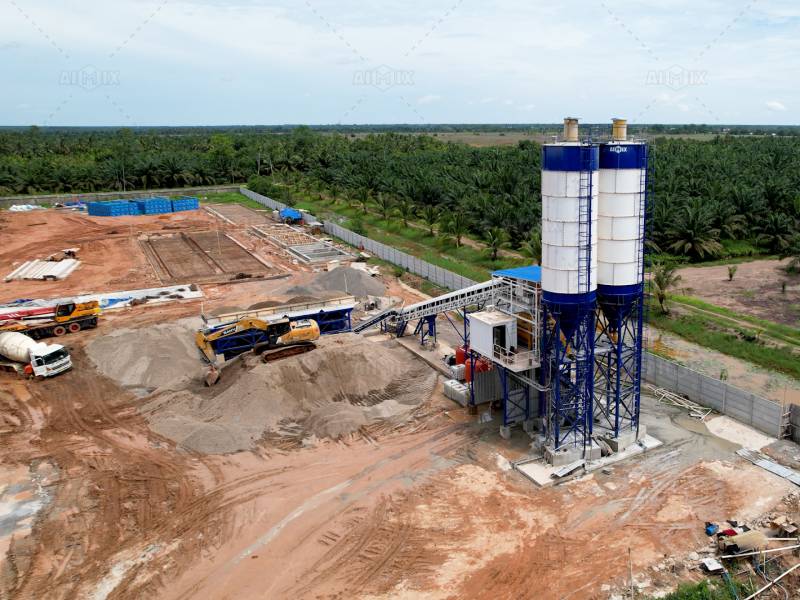
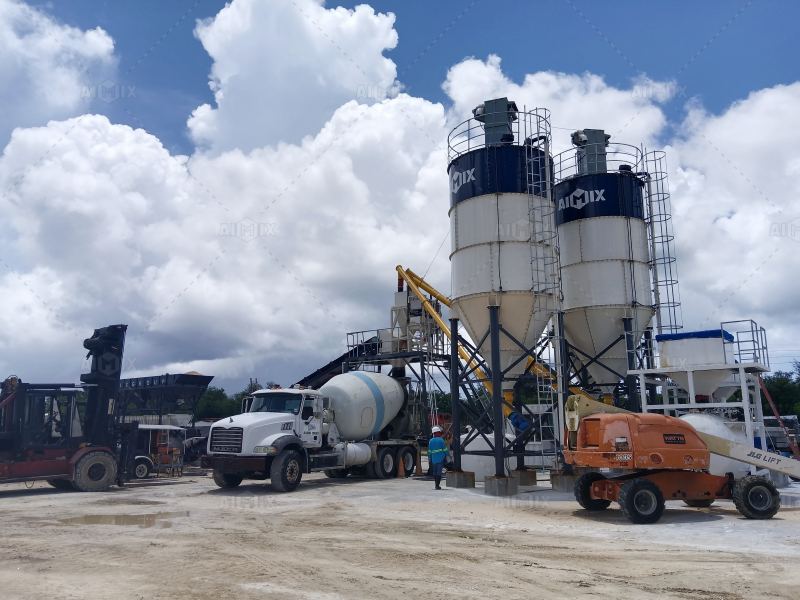
The rapid growth of precast production has led many plants to consider building in-house batching facilities. While external suppliers provide flexibility and expertise, certain operational and strategic pressures are driving this trend. Owning a batching facility can give precast manufacturers more control, transparency, and responsiveness.
Supply Chain Control
- In-house batching eliminates reliance on external deliveries, reducing uncertainties caused by traffic, logistics delays, or supplier scheduling conflicts.
- By internalizing concrete production, plants can synchronize supply directly with their production lines, ensuring mold cycles and casting schedules are never interrupted.
Cost Management
- Self-operated batching plants allow for clearer visibility of costs across materials, labor, and energy, supporting long-term budgeting and investment planning.
- Over time, this can improve cost efficiency, especially for large-scale or high-volume precast operations where frequent external deliveries may become expensive.
Quality Assurance
- Controlling the batching process in-house provides direct oversight of mix design, raw material selection, and production parameters.
- Consistent quality is easier to maintain, which is particularly critical for structural elements requiring strict performance standards and traceability.
Mix-Design Confidentiality
- Proprietary concrete formulations represent competitive advantages.
- By producing concrete internally, plants can protect sensitive mix designs from being exposed to external suppliers or competitors.
Faster Production Response
- On-site batching allows immediate adjustments to mix composition, volume, or delivery timing in response to production changes or unexpected schedule shifts.
- This flexibility reduces downtime, accelerates mold turnover, and supports just-in-time production strategies.
Risk Management and Responsibility Control
- Internal batching reduces operational and regulatory risks by giving the plant direct control over compliance, quality checks, and documentation.
- Any issues can be managed internally, improving accountability and reducing reliance on third parties for problem resolution.
Technology Upgrades Enabling Batching Plants to Support Precast Production
To meet the demands of modern precast production, batching plants are increasingly adopting advanced technologies. These upgrades go beyond basic mixing, enabling higher precision, flexibility, and integration with factory operations. The goal is to support industrialized workflows while ensuring quality, consistency, and responsiveness.

Automation and Control Systems
- Modern concrete batching plants use PLCs, sensors, and real-time process monitoring to manage multiple production parameters simultaneously.
- Automated systems allow for rapid adjustments in response to changes in production pace or mix specifications, reducing human error and ensuring consistent output.
High-Efficiency Mixing Technology
- Rapid and homogeneous mixing is critical for precast components that require precise strength and workability.
- Advanced twin-shaft or planetary mixers can handle a range of concrete types, including high-performance and self-compacting mixes, while maintaining uniform consistency across batches.
Precision Weighing and Batching Systems
- Accurate measurement of cement, aggregates, water, and additives is essential for maintaining mix design integrity.
- Modern weighing systems reduce material waste, improve repeatability, and support complex formulas required by precast plants.
Raw Material Management Systems
- Effective storage, feeding, and quality management of aggregates and cementitious materials ensure uninterrupted production.
- Automated feeders and stock monitoring allow batching plants to respond quickly to order changes while maintaining material quality standards.
Digital Production Management
- Integrated software platforms track orders, schedule batches, and provide real-time production reports.
- Digital dashboards enhance visibility for both the concrete mixing plant and precast facility, facilitating better coordination and faster decision-making.
Laboratory and Quality-Control Integration
- On-site laboratories provide rapid testing of fresh and hardened concrete properties.
- Real-time feedback enables immediate adjustments to mixes, ensuring that each batch meets the performance standards required for structural reliability.
Sustainability and Low-Carbon Concrete Production
Advances in concrete batch plant technology not only enhance precision and flexibility in precast production but also support sustainable operations. Optimized material handling, energy-efficient equipment, and reduced waste create a solid foundation for low-carbon concrete. As regulations tighten and green construction demand grows, sustainability has become an essential consideration for both precast manufacturers and their concrete suppliers.
Green Building Standards
- Many precast projects now require compliance with certification systems such as LEED, BREEAM, or local environmental standards.
- Batching plants supporting these projects need to ensure materials and production processes meet these requirements, from sourcing to delivery.
Low-Carbon Concrete Materials
- Reducing clinker content and incorporating supplementary cementitious materials like fly ash or slag helps lower concrete’s carbon footprint.
- Concrete batch plants should balance sustainability with performance, ensuring strength, durability, and workability are not compromised.
Recycled Aggregate Applications
- Using recycled aggregates from construction waste or industrial by-products promotes circular economy practices.
- Careful grading, storage, and quality control are needed to maintain mix consistency and structural reliability.
Environmentally Friendly Production Practices
- Enclosed systems minimize dust, noise, and emissions, protecting both the environment and worker health.
- Energy-efficient mixers, pumps, and process automation reduce electricity, fuel, and water consumption.
Carbon Reduction and Digital Integration
- Tracking energy use, material consumption, and emissions through digital platforms enables measurable improvements.
- Data-driven insights allow batching plants to adjust operations, reduce carbon output, and align with sustainability goals for precast projects.
By combining technological upgrades with environmental practices, batching plants can help precast operations meet green construction targets while maintaining production efficiency and quality.
Industry Outlook and Market Forecast
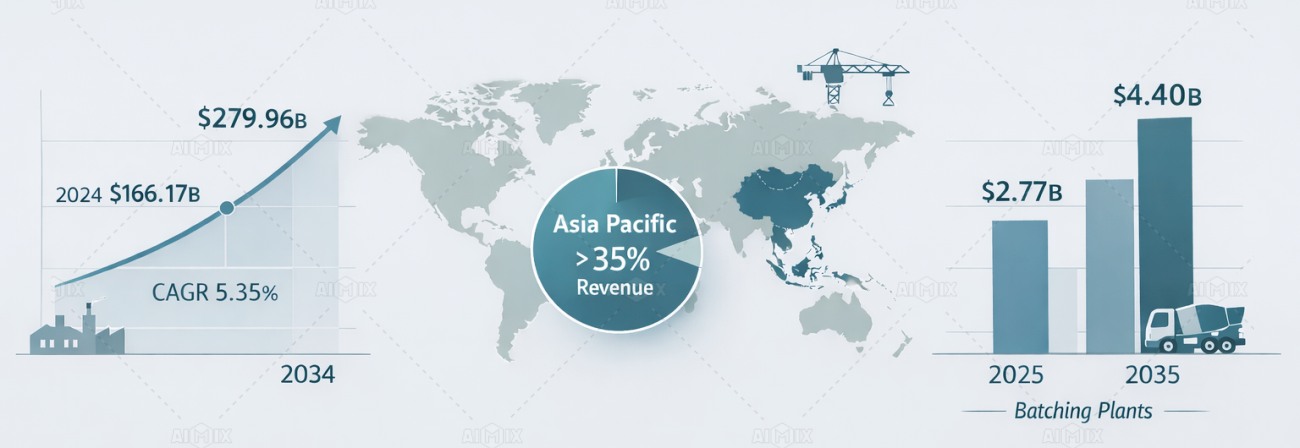
Global Precast Concrete Market Growth
The global precast concrete market is experiencing steady growth, directly driving demand for advanced batching plants. In 2024, the market was valued at approximately USD 166.17 billion and is projected to reach nearly USD 279.96 billion by 2034, growing at a CAGR of 5.35%. This expansion is fueled by rapid urbanization, large-scale infrastructure projects, and increased adoption of factory-based construction methods. (According to Precedence Research, 2025)
Regional Highlights
Asia Pacific dominates the market, accounting for over 35% of global revenue, driven by construction booms in China, India, and Southeast Asia. The region’s rapid urbanization and infrastructure demand reinforce the need for consistent, high-quality concrete supply to support precast production.
Implications for Batching Plants
As precast production scales, batching plants must offer reliable, multi-mix capabilities and maintain continuous supply to align with industrial workflows. The global concrete batching plant market reflects this trend, estimated at USD 2.77 billion in 2025 and projected to reach about USD 4.40 billion by 2035, driven by infrastructure expansion, automation adoption, and sustainable construction practices. (According to Global Growth Insights, 2025)
Investing in automation, digital integration, and energy-efficient operations positions batching plants as stable upstream partners, supporting the precast industry’s growing scale and complexity.
Advancing Collaboration for Modern Precast Production
The rise of industrialized precast construction is reshaping concrete production and delivery. Success now depends on digital integration, automation, and sustainable practices, as well as strong collaboration between precast plants and batching suppliers. By leveraging advanced technology and proactive coordination, companies can maintain quality, reduce waste, and efficiently meet the growing demands of modern infrastructure projects.
