

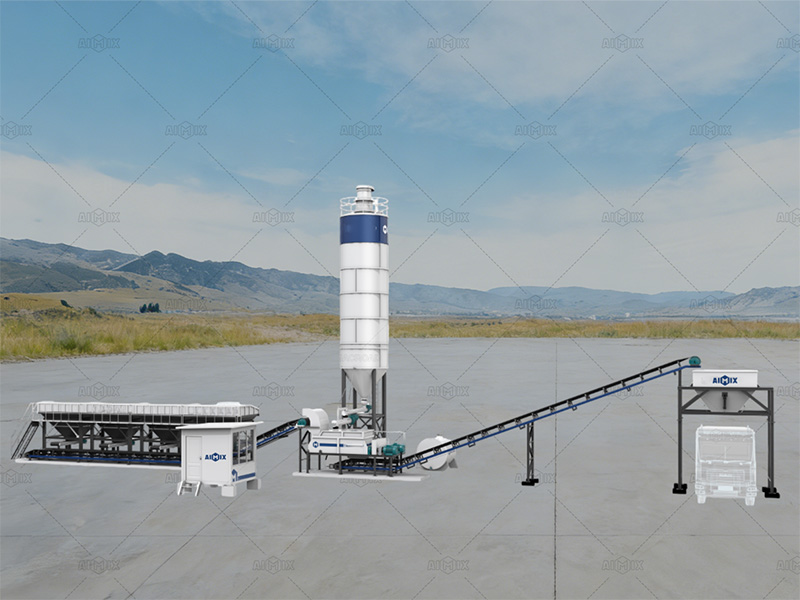
Up to 800 T/H Continuous Output, Keep Your Road Project Moving Without Delays.
±1% Mixing Accuracy, Deliver Consistent Base Strength Across Every Kilometer.
From Clay to High-Moisture Soil, One Plant Handles Changing Site Conditions.
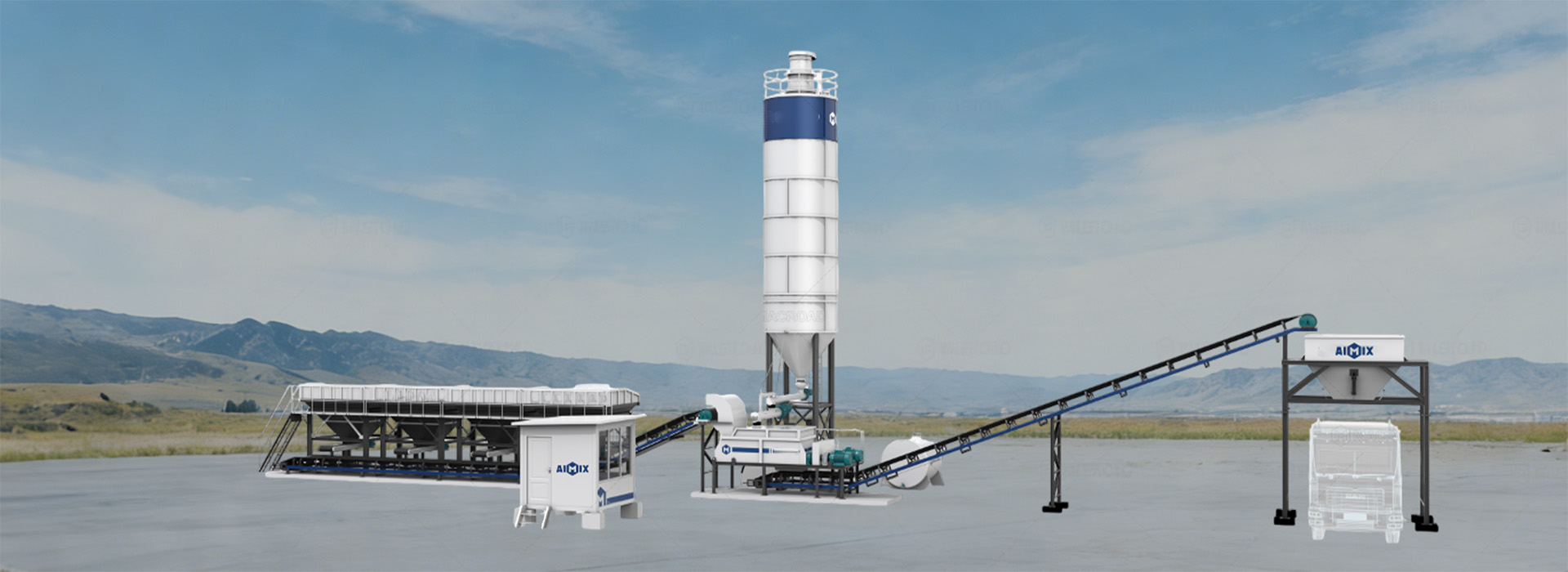
Struggling with weak soil, uneven road bases, or rising material costs? Delays, cracks, and inconsistent mixing can slow construction and increase your budget. A stabilized soil mixing plant equipment turns local soil into uniform, high-strength base material, keeping projects moving smoothly and reliably. We provide customized stabilized soil mixing solutions designed to match your site conditions, project scale, and local standards-helping you build reliable foundations while keeping your project on schedule..
 Stationary/Mobile Types
 Capacity: 150TPH – 800TPH
 Modular Design and Fast Installation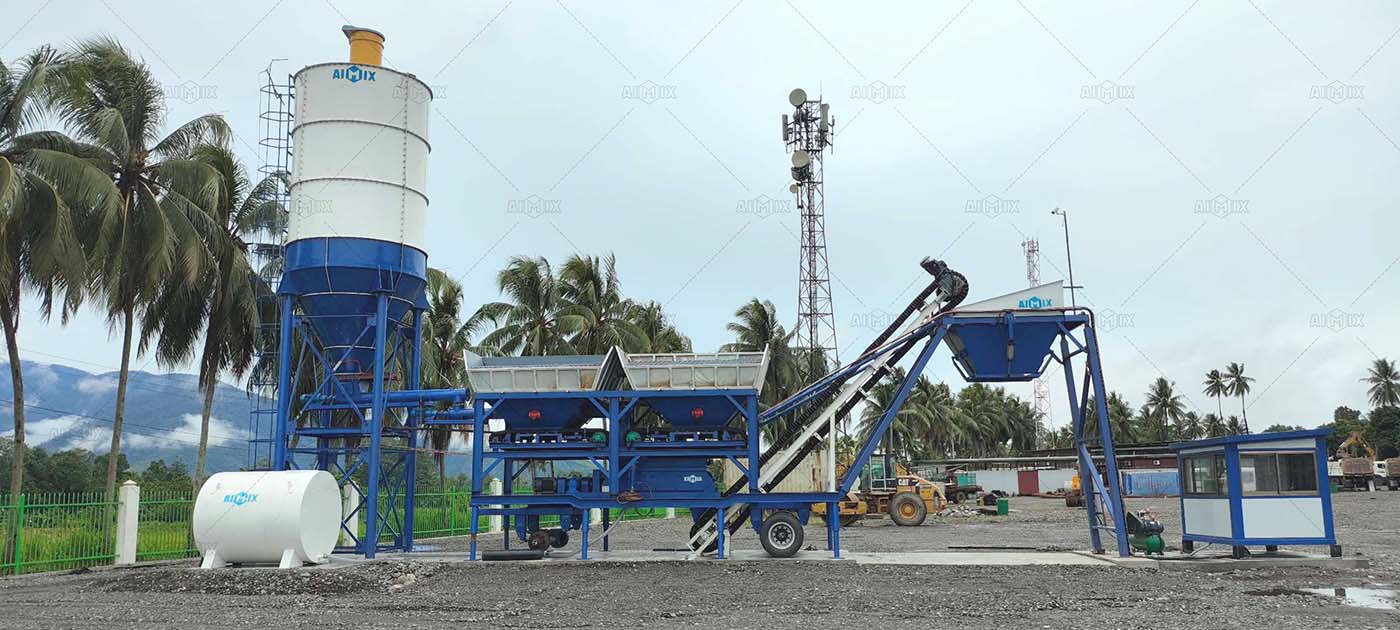
But for most contractors and project owners, the real concern is not just output—it is whether the road can survive the rainy season and heavy traffic. Cracks, settlement, and frequent repairs can quickly wipe out any cost advantage. That’s why understanding what stabilized soil is, and why it matters, is the first step toward building durable roads.
What Is Stabilized Soil and Why Is It Critical for Durable Roads?
For many road projects, the biggest risk is not the asphalt or concrete surface, but the ground underneath it. If the base layer cannot carry repeated loads and resist moisture, surface damage can appear within 6–12 months, even when premium paving materials are used. This is where stabilized soil becomes a practical and proven solution for building long-lasting road foundations.
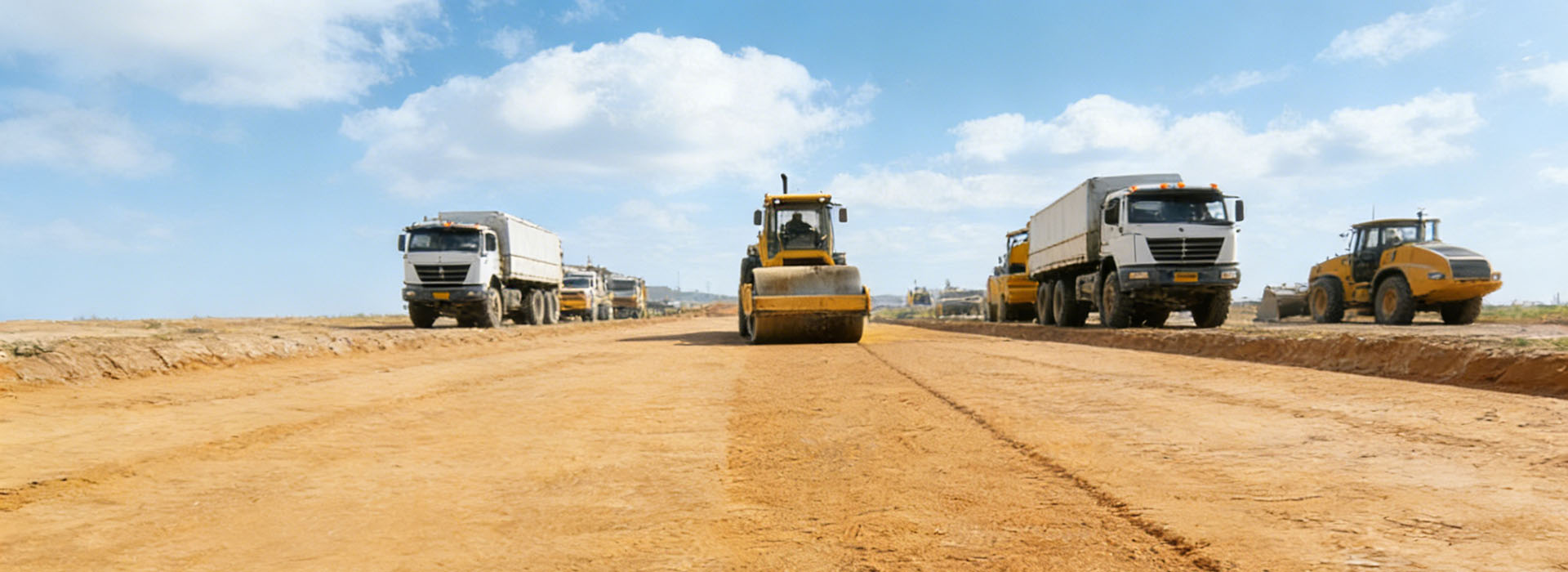
What Exactly Is Stabilized Soil?
- 2–5 times higher compressive strength than untreated soil
- Improved load distribution across the base layer
- Stronger resistance to water penetration and erosion
In practical terms, stabilized soil turns weak subgrade into a structural layer that can reliably support traffic loads.
Why Untreated Soil Leads to Early Road Failure
- High moisture content above 20%–30%
- Low bearing capacity (CBR often below 5%)
- Inconsistent properties along the road alignment
When such soil is used directly, roads are more likely to experience:
- Rutting and surface deformation under heavy vehicles
- Localized settlement and cracking
- Frequent patch repairs within the first few years of operation
By stabilizing the soil, CBR values can typically increase to 10%–20% or higher, greatly improving base stability and extending pavement service life.
A Cost-Effective Alternative to Full Aggregate Replacement
- Uses 80%–95% local soil, reducing transport demand
- Requires less quarry material
- Cuts fuel consumption and logistics costs
- Shortens construction cycles
This makes it especially suitable for rural road upgrades, industrial access roads, and regional infrastructure programs where cost control and speed are both critical.
Why Mixing Quality Determines Final Road Performance
- Binder segregation
- Inconsistent moisture control
- Strength fluctuations between batches
Modular stabilized soil batching plants solve this through:
- Automated weighing systems with high dosing precision
- Continuous or batch-controlled mixing cycles
- Stable output capacity from 100 to 800+ tons per hour, matching paving progress
The pugmill plant for road construction ensures that every truckload delivered to the site meets the same performance standard.
Small Improvement in Base Quality, Big Impact on Road Lifecycle
- Fewer early-stage repairs
- More predictable project performance
- Better return on construction investment
It is not just a material choice, but a strategic decision for building roads that last longer and perform better under real traffic conditions.
Knowing the importance of stabilized soil is only the first step—the next challenge is choosing the right way to produce it on site. Project scale, construction schedule, and site conditions all affect which type of pugmill mixing plant works best. To help you make the right choice, stabilized soil mixing stations are mainly available in mobile and stationary configurations.
What Are the Types of Stabilized Soil Mixing Plants?
Stabilized soil mixing plants are mainly designed in two configurations: mobile and stationary, to suit different construction scenarios. Projects that move frequently along the road line require fast relocation and flexible setup, while large-scale projects need continuous, high-output production at a fixed location. Choosing the right soil stabilization mixing plant type helps reduce material transport distance, improve base production efficiency, and keep the construction schedule on track.
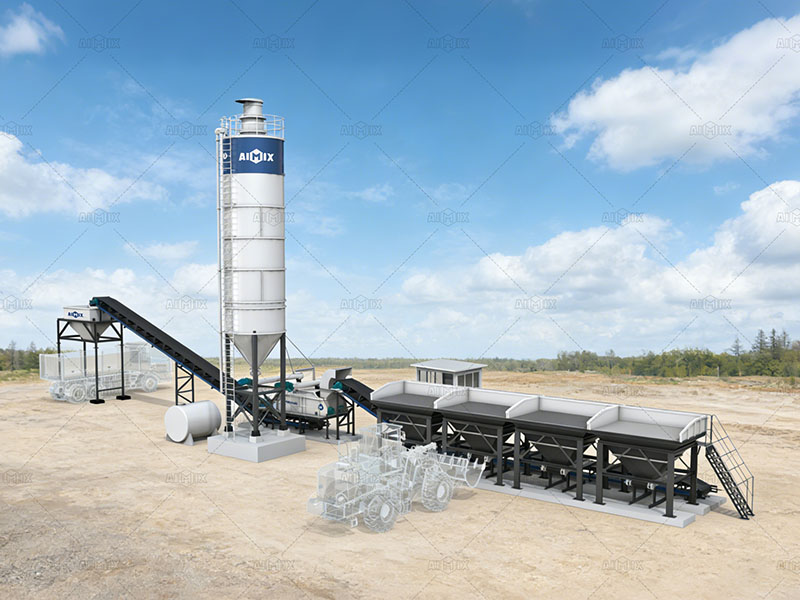
WCB Stationary Soil Stabilized Mixing Plant
Model: WCB300WCB500WCB600WCB800
Production Capacity: 300–800 t/h
Total Power: 90–190 kW
Binder Dosing Accuracy: ±1%
Aggregate Measurement Accuracy: ±2%
Mixing Type: Double-shaft continuous forced mixing
Aggregate Hopper Capacity: 48–60 m³ (4–5 bins)
Application: Highway Base & Subbase, Port & Dock Pavements, Airport Runway Foundations, Industrial Yard & Logistics Parks
Features: Even mixing, Stable strength control, High continuous output, Quick modular setup, Multi-material compatible, Easy automatic operation, Fault alarm protection, Heavy-duty durability
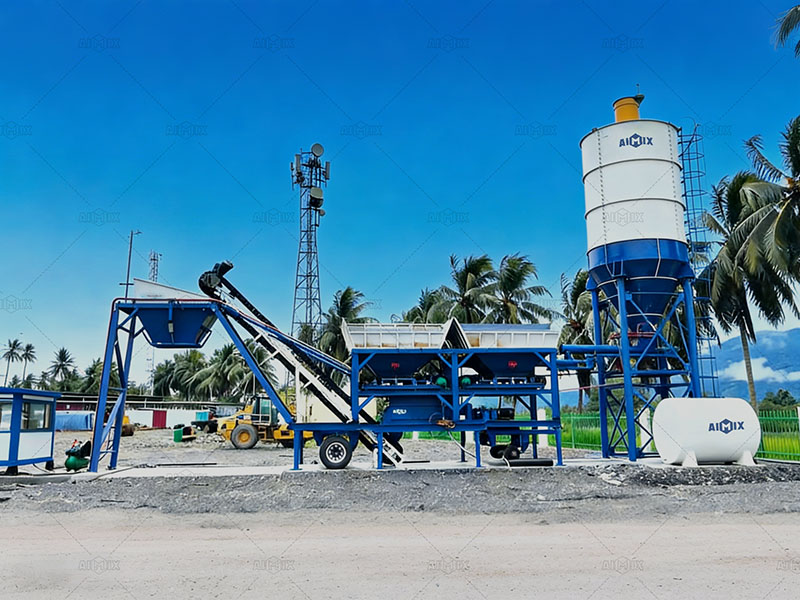
YWCB Mobile Soil Stabilized Mixing Plant
Model: YWCB300YWCB500YWCB600
Production Capacity: 200–500t/h(Gravel), 150–400t/h(Lime Soil)
Mixing Method: Double-shaft continuous forced mixing
Dosing Accuracy: Powder ±1% Aggregate ±1%
Aggregate Hopper: 6–10 m³
Water Tank: 5–10 m³
Total Power: 70–130 kW
Applications: Rural roads road rehabilitation temporary base production moving construction sites emergency repair projects
Features: Quick relocation compact structure stable mixing quality accurate strength control continuous mobile production easy transport heavy-duty for frequent moves.
Now that you know the types of modular stabilized soil mixing plants, let’s look at what really matters on site—capacity, accuracy, and operating stability. The technical specifications below show how each type performs in daily production, helping you quickly choose the right lime or cement soil mixing plant for your project scale and working conditions.
Which Stabilized Soil Mixing Plant Specifications Match Your Project Needs?
Buying a stabilized soil mixing plant for road construction is a long-term investment, and choosing the wrong model can quickly increase project risk and operating cost. By comparing technical specifications across multiple models, you can quickly identify the capacity and configuration that best match your construction scale and material requirements. Let’s view these soil stabilization plant specifications as below.
WCB Series Stationary Soil Stabilized Mixing Plant Specification
| Parameter model | WCB300 | WCB400 | WCB500 | WCB600 | WCB700 | WCB800 |
|---|---|---|---|---|---|---|
| Maximum production capacity(t/h) | 300 | 400 | 500 | 600 | 700 | 800 |
| Mixing form | Double horizontal axis continuous forced type | |||||
| Powder metering accuracy(%) | ±1 | |||||
| Aggregate measurement accuracy(%) | ±2 | |||||
| Powder measurement method | Helix electronic scale | |||||
| Aggregate measurement method | Computer belt scale | |||||
| Volume of aggregate hopper(m³) | 12 m³*4 | 12 m³*4 | 12 m³*4 | 12 m³*5 | 12 m³*5 | 12 m³*5 |
| Powder bin capacity(t) | 100 | 100 | 100 | 100*2 | 100*2 | 100*2 |
| Tank volume(m³) | 8 | 8 | 8 | 8 | 8 | 8 |
| Volume of finished product warehouse(m³) | 10 | 10 | 10 | 10 | 10 | 10 |
| Whole machine power(kw) | 90 | 110 | 130 | 150 | 165 | 190 |
YWCB Series Mobile Soil Stabilized Mixing Plant Specification
| Parameter | YWCB300 | YWCB400 | YWCB400 | YWCB500 | |
|---|---|---|---|---|---|
| Maximum capacity(t/h) | Gravel | 200 | 300 | 400 | 500 |
| Lime soil | 150 | 200 | 300 | 400 | |
| Mixing method | Double horizontal shaft forced continuous mixing | ||||
| Powder measurement precision (%) | ±1 | ±1 | ±1 | ±1 | |
| Measurement precision of aggregate (%) | ±1 | ±1 | ±1 | ±1 | |
| Aggregate metering modes | Screw electronic scale | ||||
| Powder measurement method | Computer control belt scale | ||||
| Aggregate hopper volume(m3/a) | 6 | 8 | 8 | 10 | |
| Powder bunker capacity(t/a) | 100 | 100 | 100 | 100 | |
| Water tank volume(m3) | 5 | 8 | 8 | 10 | |
| Finished product warehouse volume(m3) | 8 | 10 | 10 | 10 | |
| Total power(Kw) | 70 | 90 | 110 | 130 | |
You may now know which soil stabilization plant for highway project or other projects fits you on paper. But how does it perform when the schedule is tight and material quality must stay consistent? Scroll down to see how stabilized soil batching plants operate on real job sites and support stable road construction around the world.
Stabilized Soil Mixing Plants Applied in Projects Worldwide
With projects across Asia, the Middle East, South America, and Oceania, our continuous pugmill mixer plants are used in a wide range of road and foundation construction scenarios. Whether in Australia, Argentina, Paraguay, Qatar, or other regions, each project demonstrates how soil cement mixing plant configurations are adapted to local materials, site layouts, and production targets. As a reliable stabilized soil plant manufacturer, we are helping the projects improve the road quality!
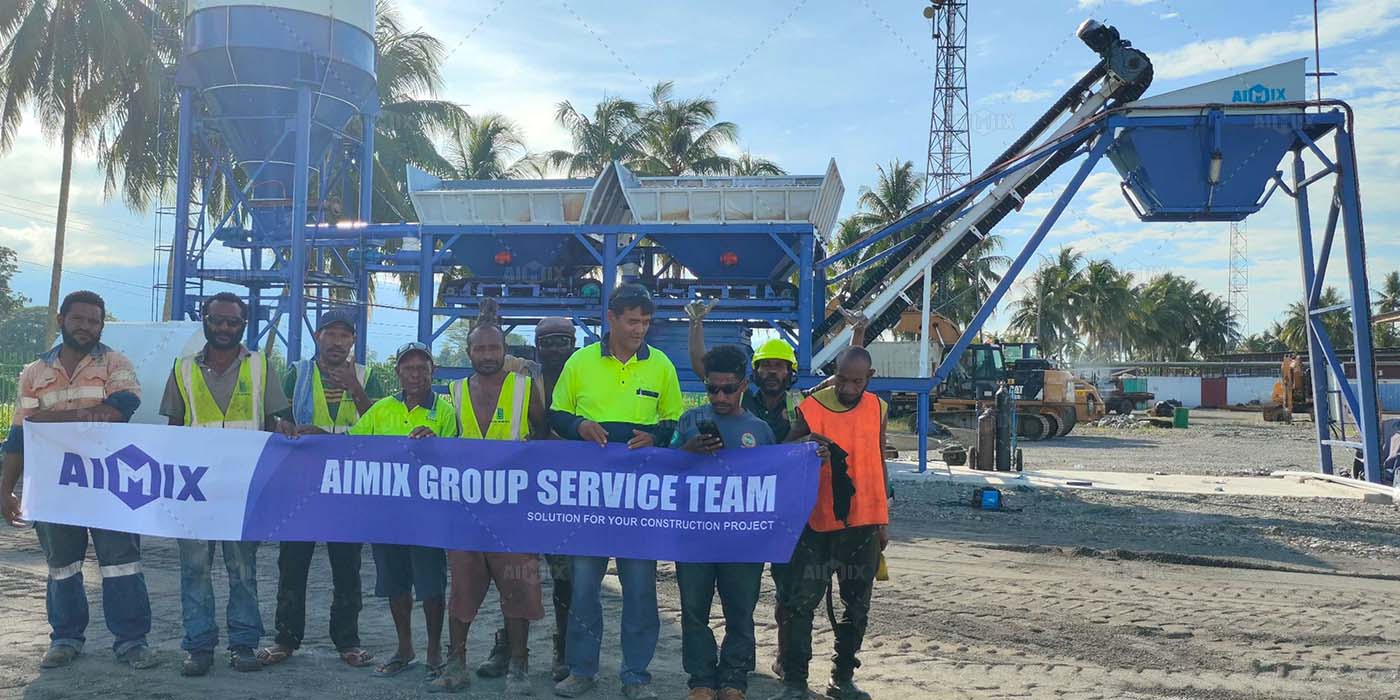
300TPH Mobile Stabilized Soil Mixing Plant for Asphalt Road
- Model: YWCB300 Mobile Type
- Production Capacity: 300TPH
- Location: in Papua New Guinea
- Application: for Urban Asphalt Road Construction
- Customer Feedback: We used the 300TPH stabilized soil mixing plant together with the 80TPH mobile asphalt drum mix plant for road construction. Both plants run stably and match well with our paving schedule. On-site production reduced material transport and helped us complete road sections better coordination.
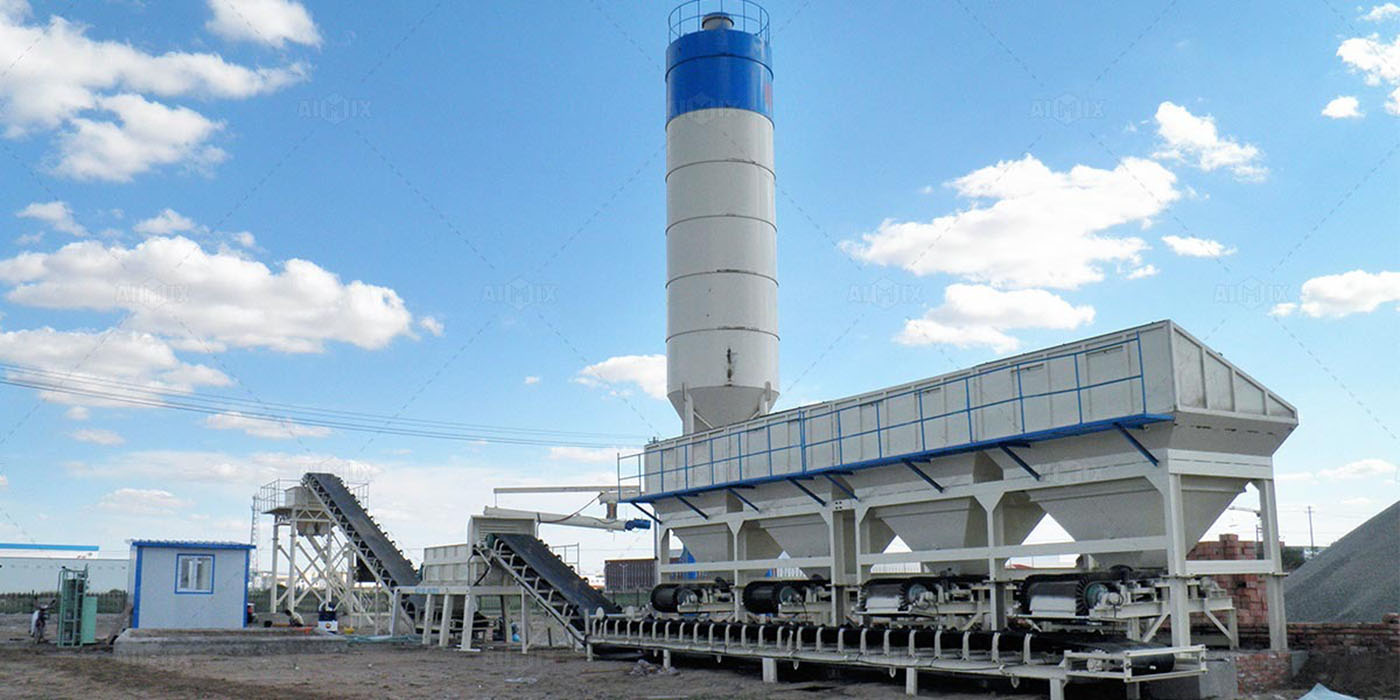
300TPH Stationary Stabilized Soil Mixing Plant for Road Base
- Model: WCB300 Stationary Type
- Production Capacity: 300TPH
- Location: in Kazakhstan
- Application: for Road Building
- Customer Feedback: The sub base mixing plant delivers stable continuous output and uniform mixing for our road base work. The installation and commissioning support was efficient, and the local service team responded quickly during operation. This helped us keep production on schedule and avoid delays.
After seeing stabilized soil plants in action worldwide, it’s clear how they fit into a full road construction workflow. Combining stabilized soil plants, asphalt plants, and asphalt pavers creates a seamless system for precise base preparation, continuous paving, and efficient, durable roads.
Integrated Road Construction Solutions with Stabilized Soil, Asphalt, and Paving Equipment
How can contractors deliver high-quality, durable roads efficiently while minimizing material waste, rework, and downtime? Integrated asphalt road construction solutions combine stabilized soil mixing plants, asphalt plants, and asphalt pavers into a coordinated workflow. By linking precise base production with continuous asphalt paving, this system ensures consistent road quality, faster project completion, and long-lasting pavements capable of withstanding heavy traffic and extreme weather.
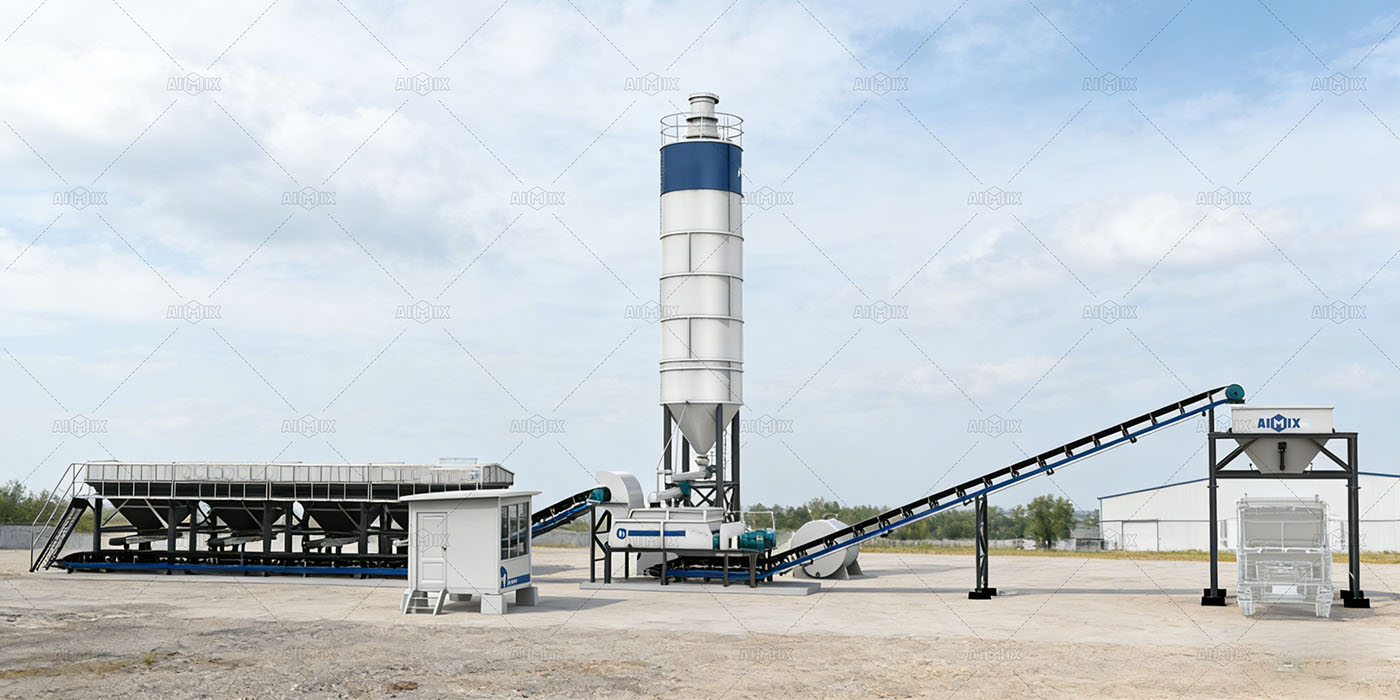
Step 1: Build a Strong, Uniform Base
Stabilized soil plants mix soil, aggregates, binders, and water with ±1% binder accuracy and ±2% aggregate precision, producing a load-bearing base that resists settlement, cracking, and water damage. A 300TPH plant can supply 5–30 km of road per day, supporting uninterrupted paving operations.
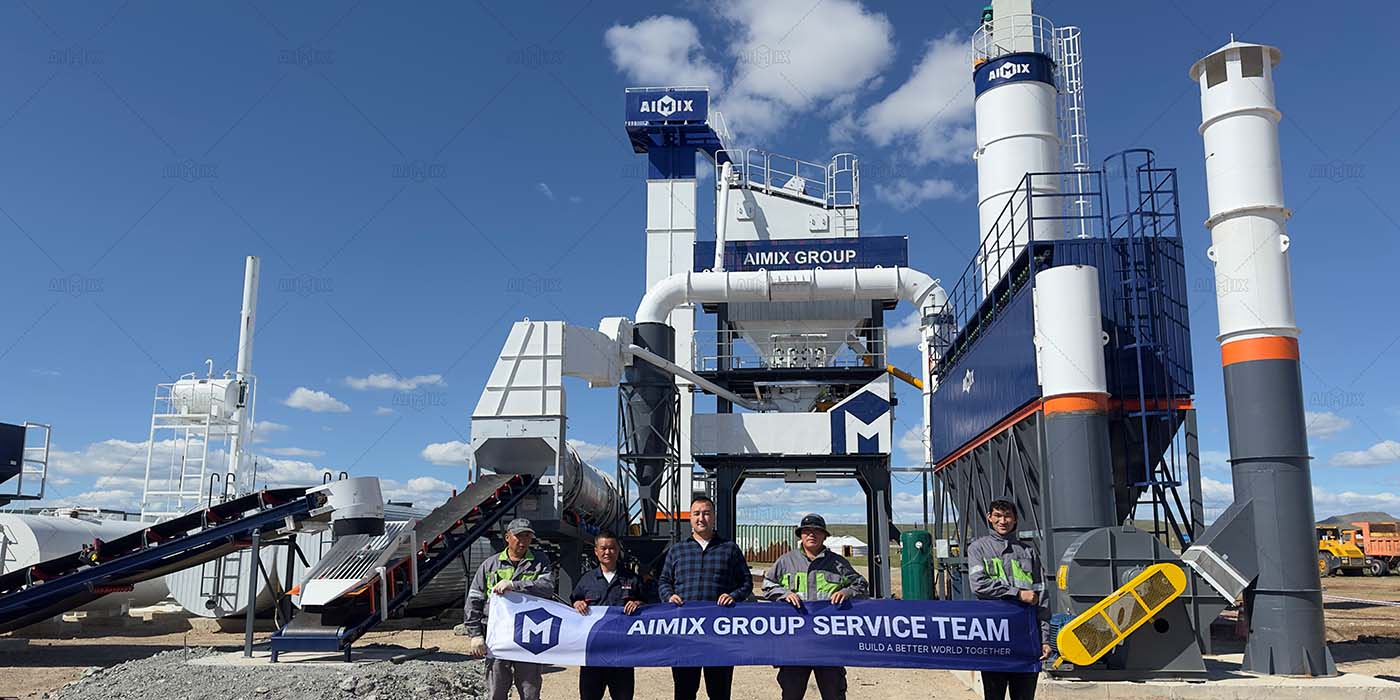
Step 2: Synchronize Output with Asphalt Production
Soil mixing plant output is coordinated with asphalt plant capacity. For example, a 300TPH stabilized soil plant pairs efficiently with 80–120TPH asphalt plants, maintaining continuous paving without bottlenecks on highways, urban roads, or airport projects.
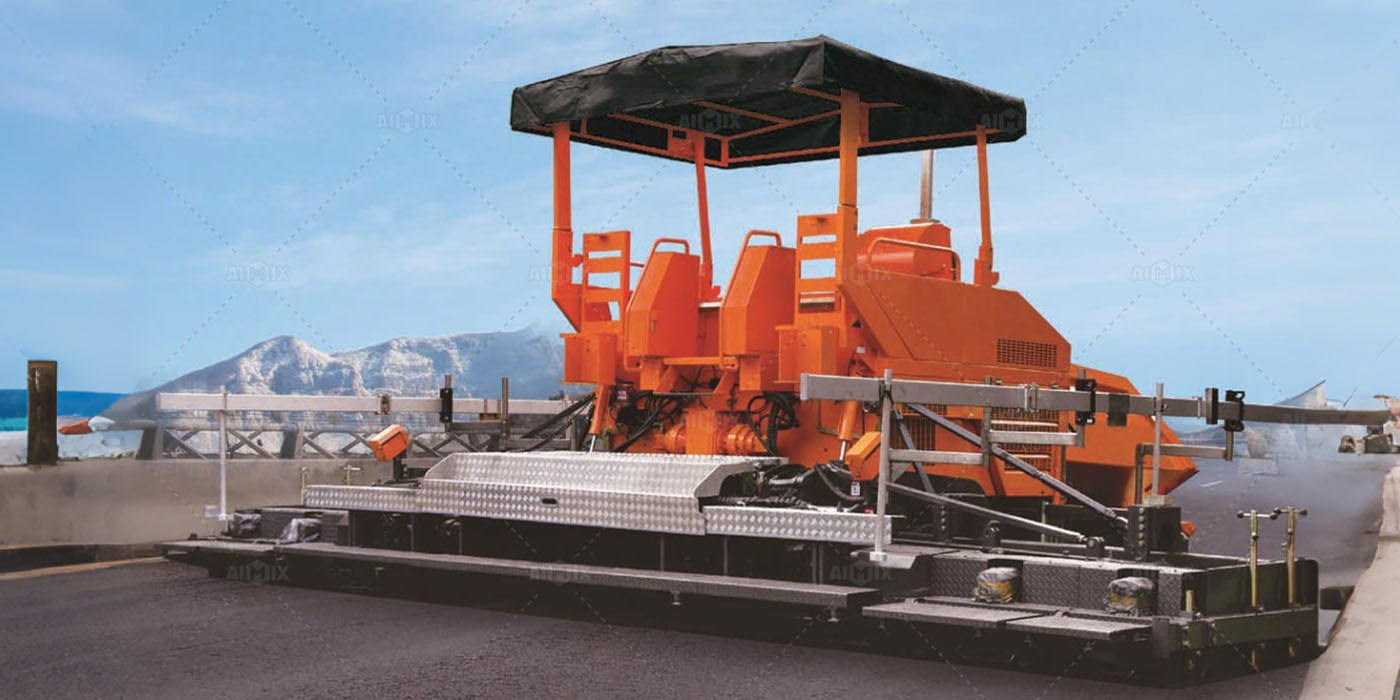
Step 3: Continuous Paving and Compaction
After base compaction, asphalt pavers lay the surface in continuous passes. Stable and uniform base quality reduces rework by up to 15%, accelerates project timelines, and ensures smooth, durable pavements that meet long-term performance standards.

Step 4: Integrated Scheduling and Material Flow
Transport, mixing, and paving are synchronized across the construction site, allowing efficient management of long road sections or airport runways, minimizing downtime, reducing operational risks, and keeping projects on schedule and within budget.
Now that you see how intgrated road construction solutions improve your project efficiency, the next question is how this base material is actually produced on site. Let’s take a closer look at how raw soil, aggregates, binders, and water are transformed into ready-to-lay stabilized base in a continuous mixing process.
How a Stabilized Soil Mixing Plant Works: From Raw Materials to Ready-to-Lay Base
A stabilized soil mixing plant works on a continuous mixing principle, where aggregates, binder, and water are fed, measured, and blended in one uninterrupted process. This design ensures stable output and consistent material quality for road base construction. The following steps show how each part of the system works together to achieve precise and continuous production.
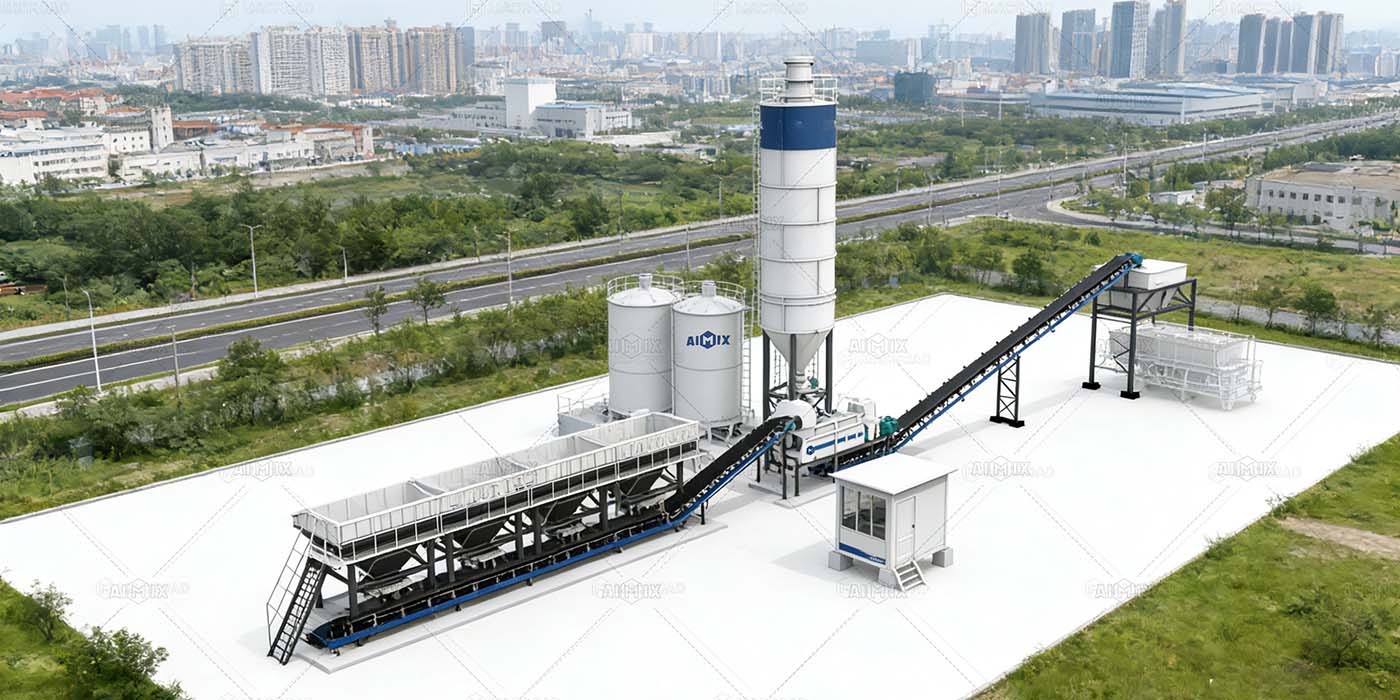
Material Feeding That Matches Your Output Target
Soil and aggregates load into separate hoppers and move via belt feeders. The feeding speed adjusts automatically with the set capacity, so material supply stays balanced even when production rates change. This prevents sudden shortages or overload inside the mixer.
Binder Added with Controlled Accuracy
Cement or lime stores in sealed silos and feeds into the mixer through screw conveyors. Electronic control systems regulate binder flow with accuracy typically within ±1%, helping keep base strength uniform from the first truckload to the last.
Water Added Exactly Where It Is Needed
Water injects directly into the mixing chamber through multiple spray points rather than manual spraying. This helps distribute moisture evenly and keeps the mixture within the ideal compaction range, reducing dry patches and improving rolling results on site.
Fast and Uniform Mixing in Seconds
Inside the twin-shaft or pugmill mixer, strong rotating paddles blend all materials rapidly. Even at high stabilized soil mixing plant capacity, full mixing is completed in just a few seconds, producing a uniform mixture that can be laid and compacted immediately.
Direct Discharge to Trucks or Conveyor
The finished stabilized soil flows continuously to dump trucks or conveyors and is delivered straight to the paving area. Short transfer time means less moisture loss and less risk of material separation, which directly affects base density and long-term pavement stability.
Continuous supply keeps pavers and rollers moving without waiting for material. Daily output becomes predictable. Base layers stay consistent in strength and gradation. For long road sections, this directly reduces rework, shortens construction cycles, and improves overall pavement performance. Next, let’s see the soil cement plant on-site Youtube video in the following!
See a 600TPH Stabilized Soil Mixing Plant in Action
Take a look at this 600TPH stabilized soil mixing plant on a real job site. Soil, cement, and aggregates flow smoothly, mix evenly, and come out ready to pave—non-stop production that keeps long road sections moving without delays.
You’ve seen the 600TPH pugmill plant in action and how it delivers continuous, uniform base material on a real construction site. But you may still have questions—about production capacity, mixing accuracy, setup, or maintenance. The FAQs below answer the most common concerns from contractors and project managers worldwide.
FAQs About Stabilized Soil Mixing Plants
What Is a Stabilized Soil Mixing Plant?
What Raw Materials Can Be Used In A Stabilized Soil Mixing Plant?
Can The Mix Ratios Be Adjusted During Production?
How Long Does the Installation of Stabilized Soil Mixing Plant Take?
Can The Stabilized Soil Mixing Plant Operate In Extreme Climates?
How Complex Is the Maintenance of Stabilized Soil Mixing Machine?
What Is The Production Capacity Of Soil Stabilizer Mixing Plants?
How Precise Is The Mixing And Dosing of Soil Mixing Stabilization Plant?
What Types Of Projects Are Suitable For Stabilized Soil Mixing Plants?
What Soil Types Are Suitable For Cement-Stabilized Soil?
Fine Soil: Max particle size ≤ 9.5mm, ≥90% ≤ 2.36mm
Medium Soil: Max particle size ≤ 26.5mm, ≥90% ≤ 19mm
Coarse Soil: Max particle size ≤ 37.5mm, ≥90% ≤ 31.5mm
What Are The Key Construction Guidelines For Cement-Stabilized Soil?
Avoid laying in heavy rain; compact freshly laid material immediately.
Crush soil lumps ≤15mm, ensure accurate dosing, and spread evenly.
Maintain layer thickness and slope; compact at optimum moisture content (+1–2% in hot/dry climates) to achieve required density per heavy compaction test.
Ready to Build Stronger Roads with the Right Stabilized Soil Mixing Plant?
Every successful road starts with a stable foundation. Whether you need high output for long highways or flexible solutions for urban projects, we provide customized stabilized soil mixing plant solutions to match your site, materials, and schedule. Talk to our engineers today and get a practical proposal that keeps your project moving and your costs under control. Get to know the stabilized soil mixing plant price at right!
