

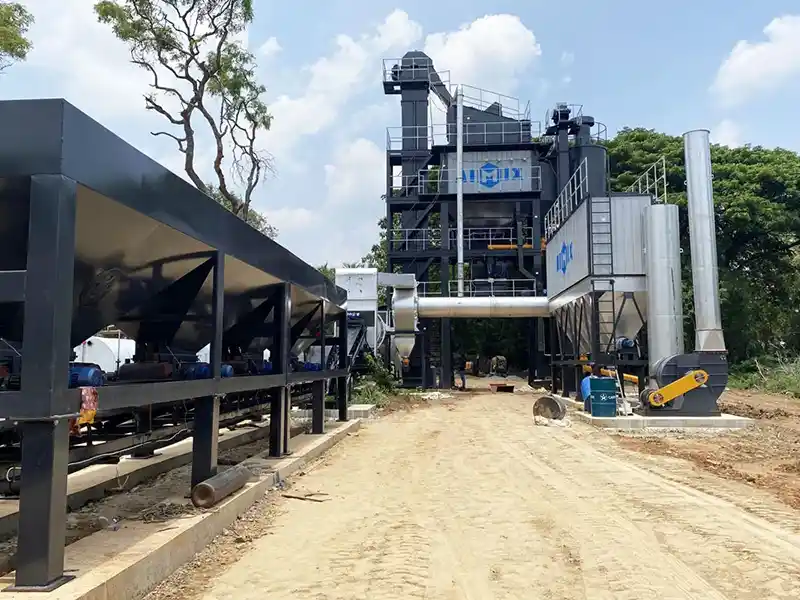

Struggling to meet Sri Lanka’s growing road and infrastructure demands? With over 115,000 km of roads and ongoing upgrades in Colombo, Kandy, and Galle, you may need reliable asphalt solutions that ensure consistent quality. The right asphalt plants in Sri Lanka produce durable asphalt for highways, municipal roads, and airport projects, helping extend pavement life by 10–15 years and reduce maintenance costs. Below, you’ll explore the main asphalt plant types in Sri Lanka and see which solution fits your project and budget!
 Capacity: 10TPH – 400TPH
 Types: Drum/Batch Type
 Reliable Local Fast Support
Sri Lanka Projects Powered by Our Asphalt Mixing Plants
Curious how our asphalt plants perform in Sri Lankan projects? From busy urban roads in Colombo to rural highway upgrades in Kandy and Galle, our mobile, batch, and drum asphalt plants have consistently delivered high-quality, durable asphalt exactly where it’s needed. Explore one of benchmark project to see how contractors are achieving faster timelines, superior road surfaces, and measurable cost savings with our asphalt mixing equipment.
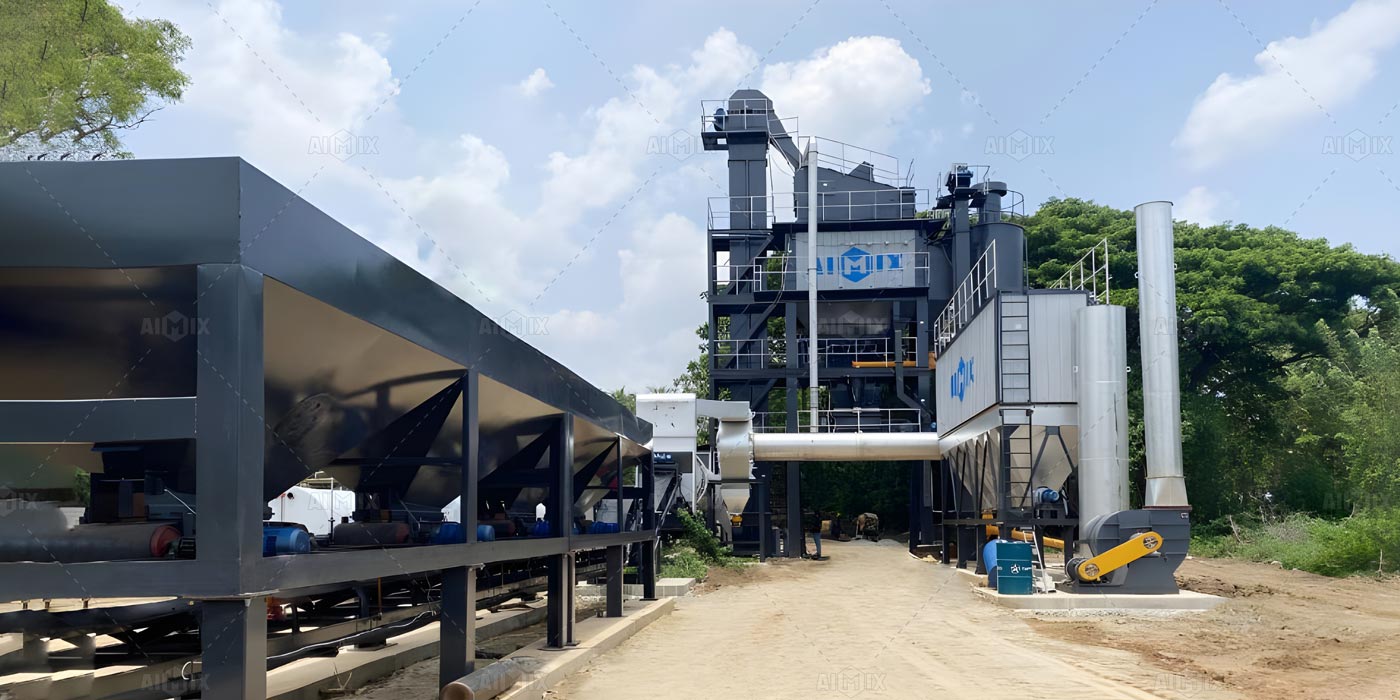


100TPH Asphalt Plant in Sri Lanka
- Model: ALQ100
- Capacity: 100TPH
- Type: Stationary Batch Type
- Location: in Kandy, Sri Lanka
- Project: Local Road Construction
Customer Feedback
We bought 100tph asphalt plant for a road project. It works great, producing high-quality asphalt and helping us stay on schedule. The hot mix plant is reliable, and the after-sales service has been excellent. We’re very happy with it.
Get A Quote
Seeing how our asphalt plants perform across Sri Lanka, it’s clear that choosing the right type of asphalt plant can make all the difference in efficiency, quality, and project speed. Next, let’s explore the different types of asphalt mixing plants available in Sri Lanka and how each one can meet the unique demands of urban and rural projects.
What Are the Types of Asphalt plants in Sri Lanka?
As Sri Lanka’s road network expands and urban projects accelerate, choosing the right asphalt plant is key to ensuring high-quality, durable roads. Different projects demand different solutions, and each type of asphalt plant offers distinct advantages in capacity, flexibility, and efficiency. Here’s a concise overview of the 5 most popular asphalt plants and mixers in Sri Lanka, with their main features and benefits for local construction projects.
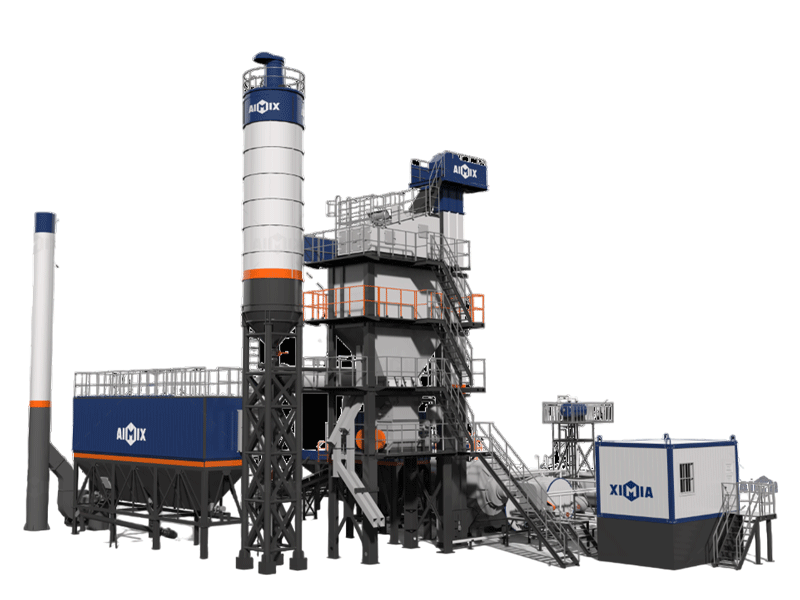
ALQ Series Stationary Asphalt Batching Plant
Hot Model: ALQ80ALQ100ALQ120ALQ160
Production Capacity: 40-400T/H
Mixing Cycle: 45s
Fuel Consumption: 70-2500kg/h
Vibrating Screen: 4 to 6 layers
Features
Designed for Sri Lanka’s highways, city roads, and airport runways, this asphalt plant ensures ±0.5% aggregate accuracy, over 1 million tons asphalt reliably processed, and a 20% larger cold bin to keep projects running without delays.
ALT Series Stationary Asphalt Drum Mix Plant
Model: ALT40ALT60ALT80ALT100
Production Capacity: 20-100T/H
Finished Asphalt Storage: 2m³ to 9m³
Asphalt Tank: 10t to 35t
Features
Ideal for Sri Lanka’s county roads and multi-village networks, the ALT Drum Mix Plant ensures continuous on-site production for up to 30 days and reduces heat loss by 15–20%, delivering stable, high-quality asphalt for long-term regional projects.
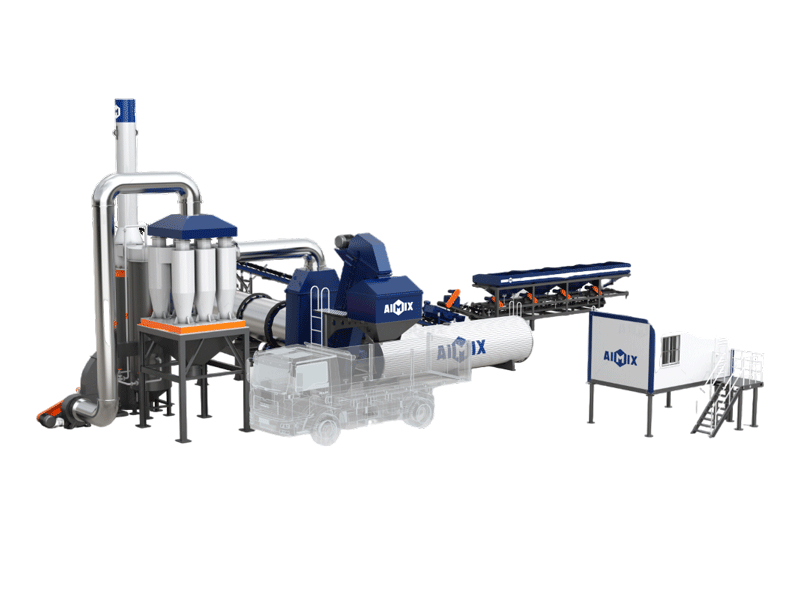
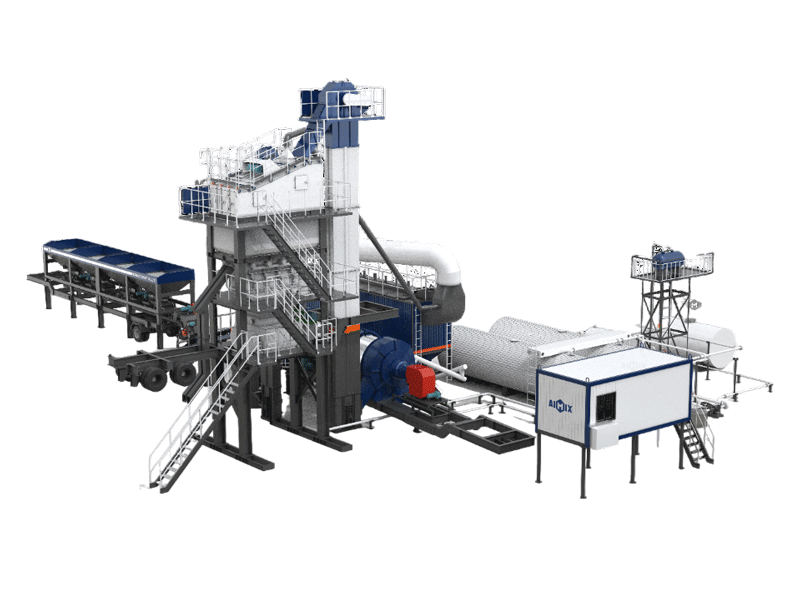
ALYQ Series Batch Type Mobile Asphalt Plant
Model: ALYQ60ALYQ80ALYQ120ALYQ160
Production Capacity: 40-160T/H
Mixing Cycle: 45s
Mixer Capacity: 800kg to 2200kg
Cold Aggregate Hoppers: 3m³×3 to 5m³×4
Features
Designed for Sri Lanka’s mountainous terrain and fast-moving road projects, the mobile asphalt plant enables 24-hour relocation and restart, reduces labor needs by 50% with AI smart control, improves mixing efficiency by about 15%, and delivers ≈1% weighing accuracy for stable asphalt quality with less material waste.
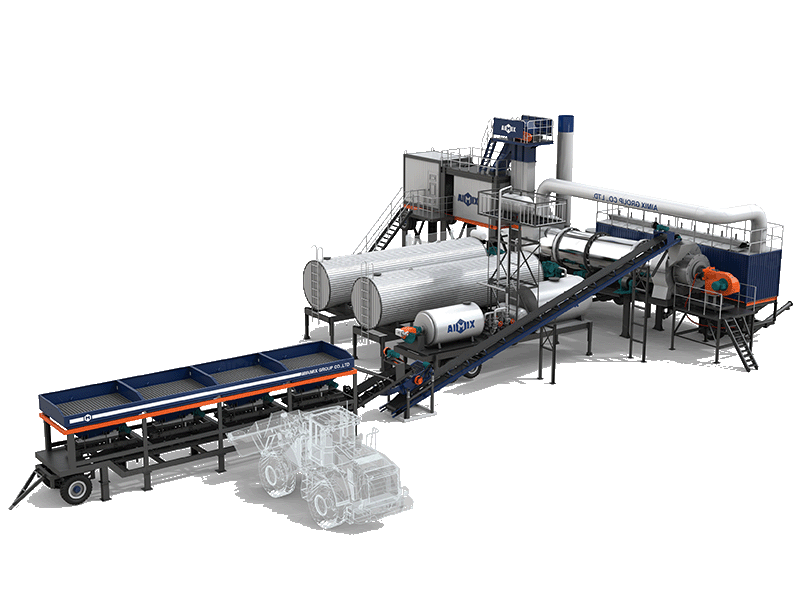
ALYT Mobile Asphalt Drum Mix Plant in sri lanka
Hot Model: ALYT20ALYT60ALYT80ALYT120
Production Capacity: 20-120T/H
Asphalt Temperature: 120-180°C
Finished Product Hopper: 2t to 20t
Cold Aggregate Hoppers: 3m³×3 to 5m³×4
Features
Designed for Sri Lanka’s hilly and mountainous road projects, the ALYT portable drum mix plant enables fast relocation within 3–5 days, features a low-profile design to pass under local power lines, and supports modular transport for flexible asphalt supply across dispersed site
ALB Series Portable Asphalt Mixer Machine
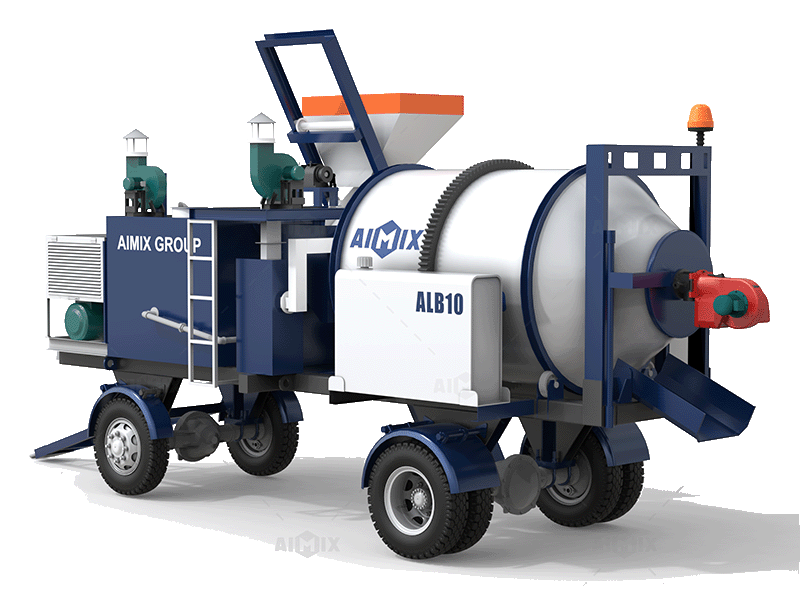
Hot Model: ALB-5ALB-10ALB-15ALB-20
Production Capacity: 2-20 T/H
Production Time Per Batch: 10-15 min/batch
Asphalt Temperature: 120-210 ℃
Price Range: $20,000-$35,000
Features
Built for Sri Lanka’s urban road repairs, the ALB mobile asphalt mixer features a 3–6 wheel chassis for narrow streets, supports one-touch heating and mixing, and delivers low-fuel batch production for pothole and manhole cover repairs.
Now that you’ve explored the main types of asphalt plants for Sri Lanka, the next step is choosing the right configuration for your project. Below, you’ll find the key technical specifications to help you quickly identify the most suitable asphalt plant.
Asphalt Plant Technical Specifications for Sri Lanka
Choosing the right asphalt plant can make a huge difference for Sri Lanka’s highways, city roads, and rural construction projects. The specifications below cover key factors like capacity, mixer type, fuel use, and power requirements. They let you quickly compare models and see which one delivers stable, high-quality asphalt exactly where and when you need it.
ALQ Series Stationary Asphalt Batch Mix Plant Technical Specification
| Model | ALQ40 | ALQ60 | ALQ80 | ALQ100 | ALQ120 | ALQ160 | ALQ200 | ALQ240 | ALQ320 |
|---|---|---|---|---|---|---|---|---|---|
| Capacity | 40 t/h | 60 t/h | 80 t/h | 100 t/h | 120 t/h | 160 t/h | 200 t/h | 240 t/h | 320 t/h |
| Cold Aggregate Hoppers | 4×4.5m³ | 4×6.5m³ | 4×7.5m³ | 4×7.5m³ | 5×7.5m³ | 5×12m³ | 5×12m³ | 5×12m³ | 6×15m³ |
| Dryer Size | φ1.2m×5.2m | φ1.5m×6m | φ1.5m×6.7m | φ1.65m×7m | φ1.8m×8m | φ2.2m×9m | φ2.6m×9m | φ2.6m×9.5m | φ2.8m×10.2m |
| Fuel consumption | 70-300kg / h | 100-400kg / h | 120-600kg / h | 150-1000kg / h | 150-1000kg / h | 150-1400kg / h | 180-1800kg / h | 180-1800kg / h | 260-2500kg / h |
| Vibrating Screen (Layer) | 4 layers | 4 layers | 4 layers | 4 layers | 5 layers | 5 layers | 5 layers | 5 layers | 6 layers |
| Mixer Capacity | 500kg | 800kg | 1000kg | 1250kg | 1500kg | 2000kg | 2500kg | 3000kg | 4000kg |
| Cycle Time | 45s | 45s | 45s | 45s | 45s | 45s | 45s | 45s | 45s |
| Filter Area | 230m² | 300m² | 420m² | 480m² | 550m² | 650m² | 700m² | 1050m² | 1350m² |
| Asphalt Temperature | 140-180 ℃ | 140-180 ℃ | 140-180 ℃ | 140-180 ℃ | 140-180 ℃ | 140-180 ℃ | 140-180 ℃ | 140-180 ℃ | 140-180 ℃ |
| Total Power | 170kw | 200kw | 300kw | 350kw | 380kw | 490kw | 550kw | 670kw | 865kw |
ALYQ Series Mobile Asphalt Batch Mix Plant Technical Specification
| Model | ALYQ60 | ALYQ80 | ALYQ100 | ALYQ120 | ALYQ160 | |
|---|---|---|---|---|---|---|
| Capacity | t / h | 60 | 80 | 100 | 120 | 160 |
| Mixer capacity | kg | 800 | 1200 | 1300 | 1700 | 2200 |
| Mixing cycle | s | 45 | 45 | 45 | 45 | 45 |
| Total power | Gasoline(kW) | 54 | 63.5 | 104.5 | 125 | 157.5 |
| Coal(kW) | 75 | 86.5 | 127.5 | 169 | 205 | |
| filter area | m2 | 370 | 420 | 480 | 510 | 620 |
ALT Series Stationary Asphalt Drum Mix Plant Technical Specification
| Courts Models | ALT20 | ALT40 | ALT60 | ALT80 | ALT100 |
|---|---|---|---|---|---|
| Capacity | 20 t/h | 45 t/h | 60 t/h | 80 t/h | 100 t/h |
| The ability to | 40kw | 75kw | 120kw | 165kw | 200kw |
| Cold Aggregate Hoppers | 3.5m³×1 | 4m³×4 | 4m³×4 | 6.5m³×4 | 6.5m³×4 |
| Finished Product Hopper | 3t | 3t | 7t | 7t | 9t |
| Asphalt Temperature | 120-180 ℃ | ||||
| Fuel consumption | 13-15kg/t | ||||
| Asphalt Tank | 10 t | 20 t | 30 t | 30 t | 35 t |
| Control room | 2.2m | 2.2m | 3m | 3m | 3.5m |
| Option | Bag dust filter | ||||
ALYT Series Mobile Asphalt Drum Mix Plant Technical Specification
| Model | ALYT20 | ALYT40 | ALYT60 | ALYT80 | ALYT100 | ALYT120 |
|---|---|---|---|---|---|---|
| Output | 20t/h | 45t/h | 60t/h | 80t/h | 100t/h | 120t/h |
| Power | 34kw | 65kw | 105kw | 135kw | 170kw | 200KW |
| Cold Aggregate Feeding System | 3.5m³×1 | 4m³×4 | 4m³×4 | 6.5m³×4 | 6.5m³×4 | 6.5m³×4 |
| Finihsed Asphalt Storage Bin | 2m³ | 2.5m³ | 4.5m³ | 5m³ | 7m³ | 7m³ |
| Asphalt Temperature | 120-180℃ | 120-180℃ | 120-180℃ | 120-180℃ | 120-180℃ | 120-180℃ |
| Fuel Consumption(Fuel Oil) | 5-7.5kg/t | 5-7.5kg/t | 5-7.5kg/t | 5-7.5kg/t | 5-7.5kg/t | 5-7.5kg/t |
| Fuel Consumption(Burning Coal) | 13-15kg/t | 13-15kg/t | 13-15kg/t | 13-15kg/t | 13-15kg/t | 13-15kg/t |
| Asphalt Tank | 10t | 20t | 30t | 30t | 35t | 35t |
| Option | bag dust collector / water dust collector | bag dust collector / water dust collector | bag dust collector / water dust collector | bag dust collector / water dust collector | bag dust collector / water dust collector | bag dust collector / water dust collector |
| Whole Plant Option | whole mobile / semi-mobile / fixed | whole mobile / semi-mobile / fixed | whole mobile / semi-mobile / fixed | whole mobile / semi-mobile / fixed | whole mobile / semi-mobile / fixed | whole mobile / semi-mobile / fixed |
ALB Series Portable Asphalt Mixer Machine Technical Specification
| Model | 0.38-0.4 m³ | 0.5 m³ | 0.7 m³ | 1 m³ | 1.5 m³ | 2 m³ | 3 m³ (Dual Tank) |
|---|---|---|---|---|---|---|---|
| Chassis Type | Mini Trailer Tricycle | Mini Trailer Tricycle | 4-Wheel | 6-Wheel | 6-Wheel | 6-Wheel | 6-Wheel |
| Diesel Generator | Changchai Diesel Engine | Changchai Diesel Engine | Weifang Diesel Engine | Weifang Diesel Engine | Weifang Diesel Engine | Weifang Diesel Engine | Weifang Diesel Engine |
| Power Output | 12 kW | 12 kW | 30 kW | 30 kW | 30 kW | 30 kW | 30 kW |
| Main Burner | 200,000 kcal | 200,000 kcal | 400,000 kcal | 440,000 kcal | 440,000 kcal | 440,000 kcal | 440,000 kcal (2 units) |
| Secondary Burner | 200,000 kcal | 200,000 kcal | 200,000 kcal | 200,000 kcal | 210,000 kcal | 220,000 kcal | 220,000 kcal |
| Mixing Tank Temperature | 120-165℃(Adjustable) | 160-210℃(Adjustable) | 160-210℃(Adjustable) | 160-210℃(Adjustable) | 160-210℃(Adjustable) | 160-210℃(Adjustable) | 160-210℃(Adjustable) |
| Fuel Type | Diesel | Diesel | Diesel | Diesel | Diesel | Diesel | Diesel |
| Fuel Consumption | 2.5-5L per batch | 4-5L per batch | 4-5L per batch | 5-6L per batch | 6-7L per batch | 6-7L per batch | 8-10L per batch |
| Mixing Motor | 2.2 kW | 5.5 kW | 5.5 kW | 5.5 kW | 5.5 kW | 5.5 kW | 5.5 kW |
| Dust Removal System | / | Water Dust Removal | Water Dust Removal | Water Dust Removal | Water Dust Removal | Water Dust Removal | Water Dust Removal |
| Tank Capacity (m³) | 1 m³ | 1.75 m³ | 2.35 m³ | 3.25 m³ | 4.25 m³ | 5 m³ | 4.25 m³ * 2 |
| Mixing Volume (tons/m³) | 0.25 m³ / 0.5 tons | 0.5 m³ / 1 ton | 0.7 m³ / 1.4 tons | 1 m³ / 2 tons | 1.5 m³ / 3 tons | 2 m³ / 3 tons | 1.5 m³ / 3 tons (Dual Tank) |
| Production Time Per Batch | 10-15 min/batch | 10-15 min/batch | 10-15 min/batch | 10-15 min/batch | 10-15 min/batch | 10-15 min/batch | 10-15 min/batch (Dual Tank) |
| Production Capacity (T/h) | 2-3 T/h | 4-6 T/h | 5.6-8.4 T/h | 8-12 T/h | 12-15 T/h | 15-18 T/h | 18-20 T/h |
| Applications | Small road repairs, manhole repairs | Road repairs, courtyard paving | Road repairs, courtyard paving | Road repairs, courtyard paving | Road repairs, courtyard paving | Road repairs, courtyard paving | Road repairs, courtyard paving |
| Inverter | 380V-24V | 380V-24V | 380V-24V | 380V-24V | 380V-24V | 380V-24V | 380V-24V |
| Hot Melt Kettle Capacity | 200L | 400L | 400L | 500L | 500L | 500L | 500L |
| Vibration System / Air Pump (Slag Removal Device) | / | 0.1/8 type air pump (0.1 m³ flow) | 0.1/8 type air pump (0.1 m³ flow) | 0.1/8 type air pump (0.1 m³ flow) | 0.1/8 type air pump (0.1 m³ flow) | 0.1/8 type air pump (0.1 m³ flow) | 0.1/8 type air pump (0.1 m³ flow) |
| Material Ratio | 3%-5% oil-stone ratio (new material) | 3%-5% oil-stone ratio (new material) | 3%-5% oil-stone ratio (new material) | 3%-5% oil-stone ratio (new material) | 3%-5% oil-stone ratio (new material) | 3%-5% oil-stone ratio (new material) | 3%-5% oil-stone ratio (new material) |
| Automatic Loading Hopper | / | Hoist Bottom Discharge | Hoist Bottom Discharge | Hoist Bottom Discharge | Hoist Bottom Discharge | Hoist Bottom Discharge | / |
| Weight (Tons) | 1.8 T | 3.8 T | 4.2 T | 4.8 T | 5.6 T | 5.6 T | 6.5 T |
| Starting Method | Electric Control | Electric Control / Electric Start | Electric Control / Electric Start | Electric Control / Electric Start | Electric Control / Electric Start | Electric Control / Electric Start | Electric Control / Electric Start |
| Dimensions (LWH, mm) | 5200*1600*2000 | 5200*1600*2000 | 6000*2000*2750 | 6200*2300*2950 | 6600*2300*2950 | 6900*2300*3250 | 6600*3300*2950 |
| Material | Double-layer manganese plate (single layer thickness 5.75mm), rock wool insulation layer 5cm*6 | Double-layer manganese plate (single layer thickness 5.75mm), rock wool insulation layer 5cm*6 | Double-layer manganese plate (single layer thickness 5.75mm), rock wool insulation layer 5cm*6 | Double-layer manganese plate (single layer thickness 5.75mm), rock wool insulation layer 5cm*6 | Double-layer manganese plate (single layer thickness 5.75mm), rock wool insulation layer 5cm*6 | Double-layer manganese plate (single layer thickness 5.75mm), rock wool insulation layer 5cm*6 | Double-layer manganese plate (single layer thickness 5.75mm), rock wool insulation layer 5cm*6 |
Now that you’ve seen the key specifications of asphalt plants for Sri Lanka, it’s clear how the right equipment supports efficient and high-quality road construction. Next, let’s explore why demand for asphalt mixing plants is growing rapidly across the country and what this means for contractors and infrastructure projects.
Why Is the Demand for Asphalt Mixing Plants Strong in Sri Lanka?
In recent years, Sri Lanka has been accelerating infrastructure development, with frequent projects in roads, bridges, ports, and urban renewal. The island’s construction environment is affected by monsoons, terrain, and transportation constraints, which places higher demands on asphalt quality and construction efficiency. As a result, asphalt mixing plants, especially fixed and mobile types, have seen significant growth in demand. Below are six key factors driving the strong demand for asphalt mixing plants in Sri Lanka.

Large-Scale Road Construction Directly Drives Plant Demand
- Highway expansion: In 2025, Sri Lanka’s ongoing and expansion highway projects total approximately 2,100 km, with asphalt demand of 2,000–2,500 tons per km, totaling around 4.2–5.25 million tons.
- Urban road renovation: Major cities require about 1,000 km of paving or resurfacing per year, totaling roughly 1.2–1.5 million tons of asphalt.
- Rural road upgrades: New and upgraded rural roads cover about 3,500 km, requiring approximately 2.1 million tons of asphalt.
- Total demand: Road construction alone accounts for about 7.5–8.85 million tons of asphalt annually, directly supporting asphalt plant deployment.
Strong Need for Construction Efficiency and Local Production
- Transport radius limitations: Construction sites are on average 80–150 km from major ports, with long-distance transport causing 5–10% temperature loss in asphalt.
- Plant placement requirements: A mixing plant is typically required every 50–100 km, meaning 40–50 medium-to-large plants are needed in 2025.
- Seasonal concentrated construction: Dry-season work occurs mainly from December to April, and mobile asphalt plant in Sri Lanka can temporarily increase production by 50–100%, meeting peak demand.
Policy and Foreign Investment Boost Equipment Demand
- Infrastructure investment share: In 2025, infrastructure accounts for 23% of the national budget, with roads and bridges representing 45% of that investment.
- Foreign-funded projects: ADB and World Bank-backed road projects total about USD 1.5–2 billion, requiring asphalt plants that meet international standards.
- Environmental and construction regulations: The government mandates that new roads use hot-mix asphalt compliant with ASTM D6926–18 or ISO standards, driving the adoption of high-performance asphalt plants.
Technological Upgrades Increase Plant Appeal
- Growth in mobile plant usage: Mobile asphalt plants have increased from 20% in 2020 to 45% in 2025, with capacities of 60–120 tons/hour, suitable for short-term concentrated projects.
- Capacity upgrades in fixed asphalt plants: Medium fixed plants have capacities of 160–240 tons/hour, with large projects requiring 2–3 plants operating simultaneously.
- Improved construction efficiency: Modern asphalt plants can increase operational efficiency by 30–40% and reduce rework rates by 5–8%, ensuring uniform temperature and mix quality.
Market Supply and Demand Highlights Strong Demand
- Peak dry-season demand drives short-term volume: The 5-month construction season accounts for 45–50% of annual asphalt demand, requiring continuous production.
- Project diversity increases equipment coverage: Urban and suburban projects use fixed plants, while remote or hilly sites rely on mobile plants, meeting varied site requirements.
- Transportation and efficiency pressures: Construction sites are 80–150 km from ports, causing 5–10% temperature loss in transit; on-site mixing plants ensure consistent asphalt temperature and mix accuracy.
Economic Growth and Urbanization Strengthen Demand
- Urbanization rate: Sri Lanka’s urban population reached ~36% in 2025, driving demand for new roads, highways, and city infrastructure, which requires reliable asphalt supply.
- Construction investment ROI: Faster, more efficient local mixing reduces project costs by 5–10%, encouraging contractors and investors to deploy additional plants.
- Private sector projects: Industrial parks, logistics hubs, and tourism-related infrastructure are increasing, contributing ~15–20% of total asphalt consumption in urban and peri-urban areas.
The high demand for asphalt plants in Sri Lanka highlights the need for reliable, efficient, and environmentally compliant production. Understanding this demand shows why strategic investment in asphalt mixing plants is crucial for long-term project success.
Strategic Importance of Investing in Asphalt Mixing Plants in Sri Lanka
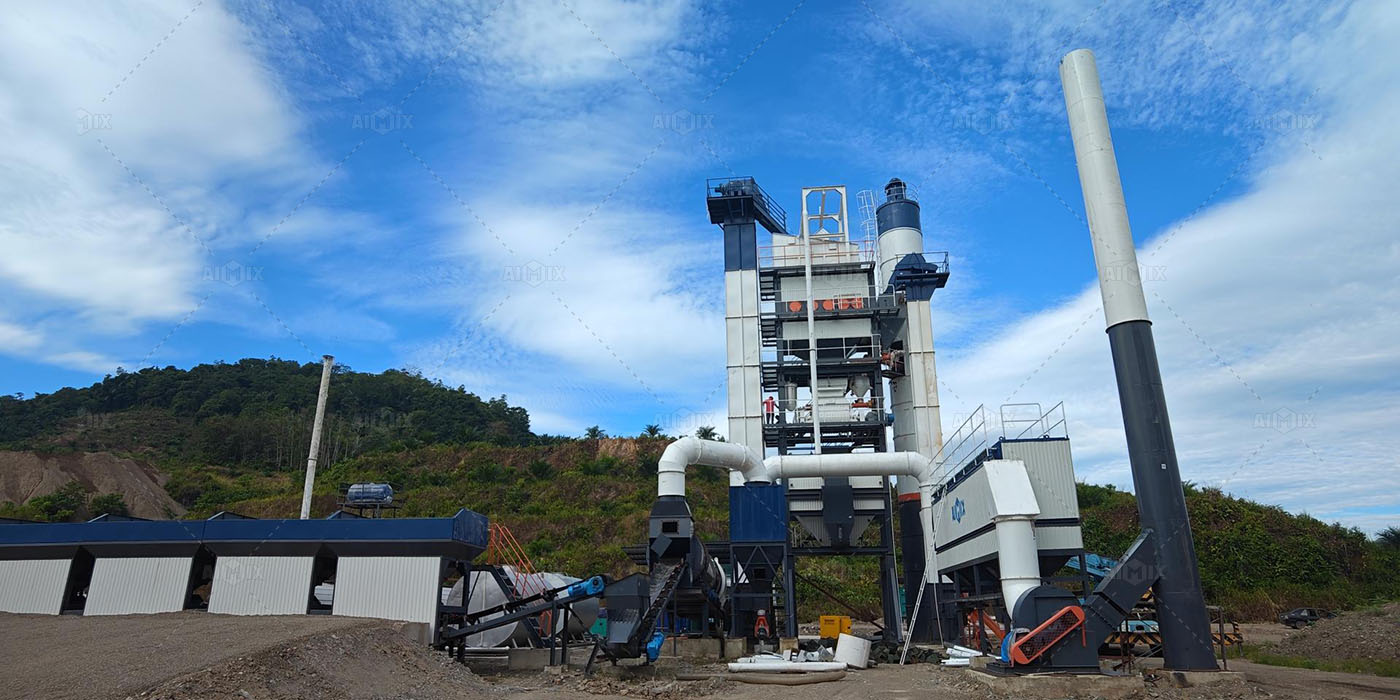
With Sri Lanka’s roads and highways expanding rapidly, investing in an asphalt mixing plant is more than buying equipment — it is a strategic decision that impacts quality, efficiency, and project timelines. On-site production ensures consistent asphalt mix, faster delivery, and flexibility across urban, rural, and mountainous projects. Here’s why this investment matters in today’s Sri Lankan infrastructure market:
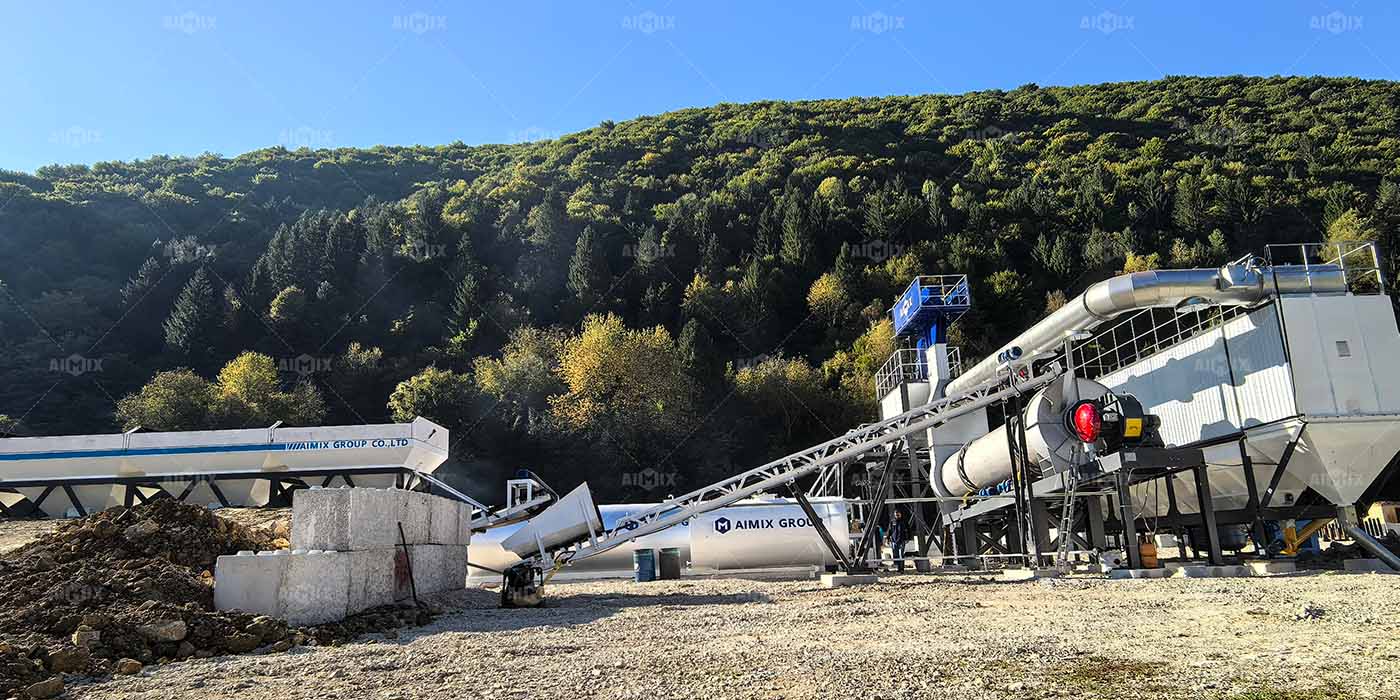
Ensure High-Quality Asphalt on Site
With tropical humidity often at 75–85% and frequent monsoon rains, transported asphalt can lose temperature and consistency. On-site production ensures uniform mix quality, reducing material defects by up to 30% and producing pavements that last 10–15 years even under heavy traffic.
Shorten Project Cycles
Sri Lanka’s infrastructure budget exceeds Rs. 688 billion (USD ~1.5 billion) in 2026, with overlapping road projects in Colombo, Kandy, and Galle. On-site mobile asphalt plants can cut delivery and waiting times by 20–25%, helping contractors meet tight schedules.
Flexible Deployment Across Sites
From urban roads to rural and mountainous projects, mobile or portable asphalt plants can relocate within 24 hours, while fixed batch asphalt plants serve long-term highway or airport projects. This flexibility boosts utilization by 30–50% compared to relying on external suppliers.
Reduce Costs and Waste
Producing asphalt locally lowers transport costs by 15–30%, reduces waste from temperature loss, and avoids supplier markups, saving millions of LKR on large projects.
Gain Competitive Advantage
Contractors with their own plants can deliver faster, maintain higher quality, and offer predictable pricing, giving them an edge in bidding for projects across Sri Lanka’s varied terrain.
Strategic investment in asphalt mixing plant in Sri Lanka can boost efficiency and profits in Sri Lanka’s infrastructure projects—but even the smartest investment falls short without meeting strict environmental compliance. Let’s explore how modern asphalt plants stay both productive and eco-friendly.
Environmental Compliance of Asphalt Plants in Sri Lanka
Sri Lanka has been strengthening environmental regulations for construction and industrial operations, particularly concerning air emissions from asphalt plants. Contractors and investors must comply with limits on dust, particulate matter, and harmful gases to avoid fines and project delays. Local authorities require effective emission control systems, especially in urban areas like Colombo, Kandy, and Galle, where air quality monitoring is strict. Key regulatory requirements include:

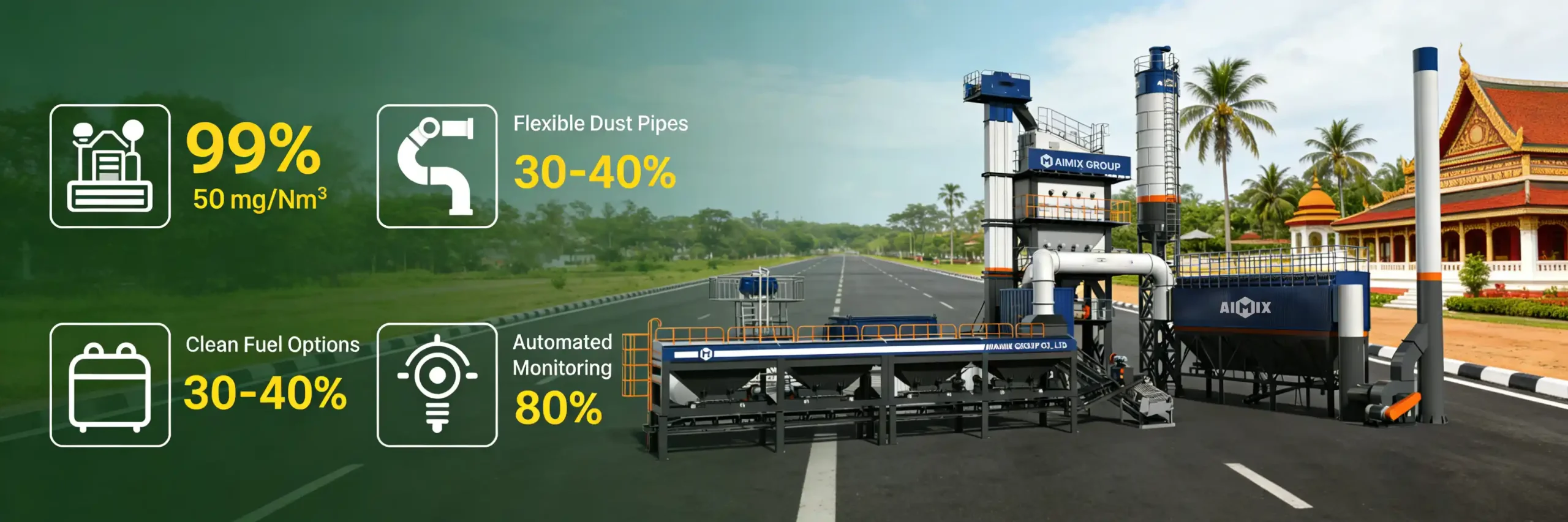
Dust and Particulate MatterMaximum allowable emissions typically ≤50 mg/Nm³ for PM10 and PM2.5 during production.
Gaseous PollutantsLimits on SOx, NOx, and CO₂, with CO₂ emissions ideally ≤20% below baseline levels for conventional asphalt plants.
Monitoring and ReportingPlants must track and log emission data for regulatory inspections and permit compliance.
Non-compliance can result in project delays, fines up to millions of LKR, or suspension of operation permits, making emission control a critical factor for Sri Lankan contractors.
How Our Asphalt Plants Meet Sri Lankan Standards
Our asphalt plants are designed to exceed local environmental standards, providing measurable, on-site compliance:
Ensuring your asphalt mixer plant meets Sri Lanka’s strict environmental standards is just the first step—selecting the right asphalt plant can save time, reduce costs, and maximize project quality. Discover which asphalt plant fits your needs and delivers the best results for local conditions.
How to Select the Right Asphalt Plants in Sri Lanka?
Choosing the right asphalt plant for sale in Sri Lanka for your construction needs in Sri Lanka requires a careful evaluation of several key factors. Whether you’re working on road construction, highway projects, or other infrastructure developments, making the right choice will ensure efficiency, cost-effectiveness, and quality. Let’s learn how to choose the right asphalt plant in detail.
| Project Scenario | Key Challenges / Requirements | Recommended Models | Key Localized Advantages / Quantified Benefits |
|---|---|---|---|
| Urban roads (Colombo, Kandy, Galle) | Limited space, heavy traffic, strict emissions | ALYQ Series Mobile Asphalt Batch Plants | Compact design, AI-assisted control, baghouse/wet scrubber ensures PM ≤50 mg/Nm³, fast setup <24h, 2 operators sufficient |
| Rural & dispersed village roads | Narrow roads, scattered sites, short-term projects | ALYT Portable Drum Mix Plants | Modular transport, low center of gravity, relocates in 3–5 days, adapts to uneven terrain, supports diesel/gas fuel |
| Mountainous & hilly areas | Steep slopes, tight access, high mobility | ALYQ/ALYT Series Portable Asphalt Mix Plants | Flexible dust pipes, low weight modules, can cross sharp bends, dust capture efficiency >95%, minimal setup time |
| Highway, airport, and long-term projects | Continuous production, large volume, quality consistency | ALQ Series Fixed Asphalt Plants | Stable long-term operation, optimized heat efficiency, suitable for flat, concentrated areas, automated mixer ensures ±0.25% asphalt accuracy |
| Small repair & maintenance projects | Small batches, scattered repairs, low manpower | ALB Series Portable Asphalt Mixer (3–6 wheel) | One-touch operation, minimal fuel, 1–2 operators, ideal for potholes, driveways, and manhole repairs |
| Environmentally sensitive zones | Urban expansion areas, near schools/hospitals | ALYQ/ALYT with natural gas option + baghouse/wet scrubber | Reduces CO₂/SOx/NOx emissions by 30–40%, PM capture ≥99%, flexible ducting for tight sites |
Selecting the right asphalt plant in Sri Lanka ensures efficiency, reliability, and project quality—but choosing wisely is only part of the equation. Understanding how to reduce costs while maintaining performance is the next key step for any successful project.
How to Reduce the Cost of Asphalt Batch Mixing Plants in Sri Lanka?
Reducing the cost of buying and operating an asphalt batch mix plant in Sri Lanka involves strategic planning and informed decision-making. Here are some key tips to help you lower asphalt batch mixing plant cost in Sri Lanka while ensuring quality:
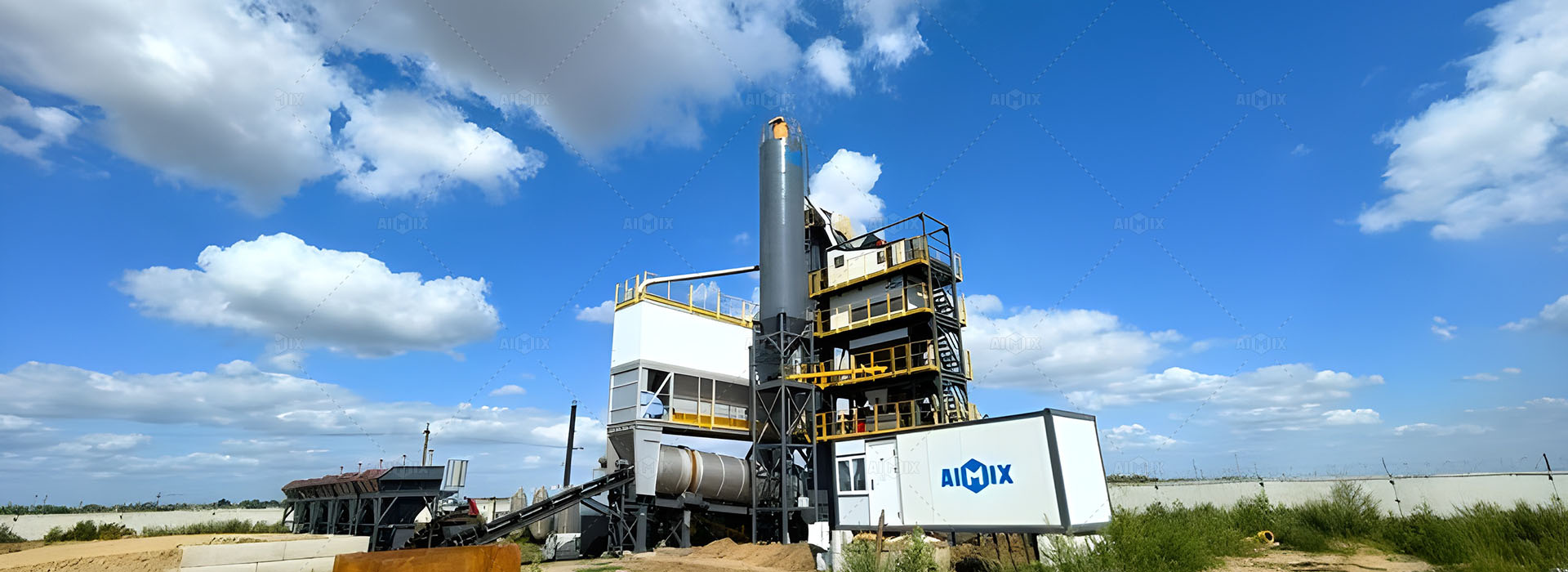
Evaluate Your Project Needs CarefullyAvoid overspending by choosing an asphalt plant that fits your production requirements. Understand the output capacity, fuel efficiency, and type of asphalt mix you need for your projects in Sri Lanka.
Purchase Directly from Reputable SupplierBuy from trusted manufacturers to eliminate extra costs added by intermediaries. Asphalt Plant manufacturers like AIMIX offer high-quality plants at competitive prices, ensuring value for money.
Compare Local and International OptionsPurchasing locally reduces transportation costs and allows faster installation. However, buying from reliable international suppliers like AIMIX can give you access to advanced technology and lower base prices.
Check for Comprehensive After-Sales SupportAlways inquire about warranties and after-sales services. Good support, including installation, maintenance, and technical guidance, can save you significant repair and downtime costs later.
Consider the Plant’s Energy EfficiencyInvest in energy-efficient equipment to reduce fuel consumption during operation. Over time, this can lead to substantial savings in operational expenses.
Plan for Long-Term UsageA durable, high-performance asphalt plant may cost more upfront but reduces replacement and repair expenses in the long run. Opt for quality over low prices to maximize returns.
Reducing the cost of asphalt batch mixing plants is essential for efficient project execution in Sri Lanka, but seeing real-world applications can make the benefits tangible. Explore our exported asphalt plants in action to understand how they perform in similar environments.
See Pictures of Our Asphalt Plants Exported Around Sri Lanka and Beyond
AIMIX asphalt plants have been successfully delivered worldwide, including projects near Sri Lanka in South Asia. Our hot mix asphalt plant for sale in Sri Lanka is trusted for roads, highways, and regional infrastructure projects, providing reliable, high-quality asphalt production. Below are real project photos showing our asphalt plants in action across different countries, giving you a clear idea of their performance and suitability for Sri Lanka’s local conditions.
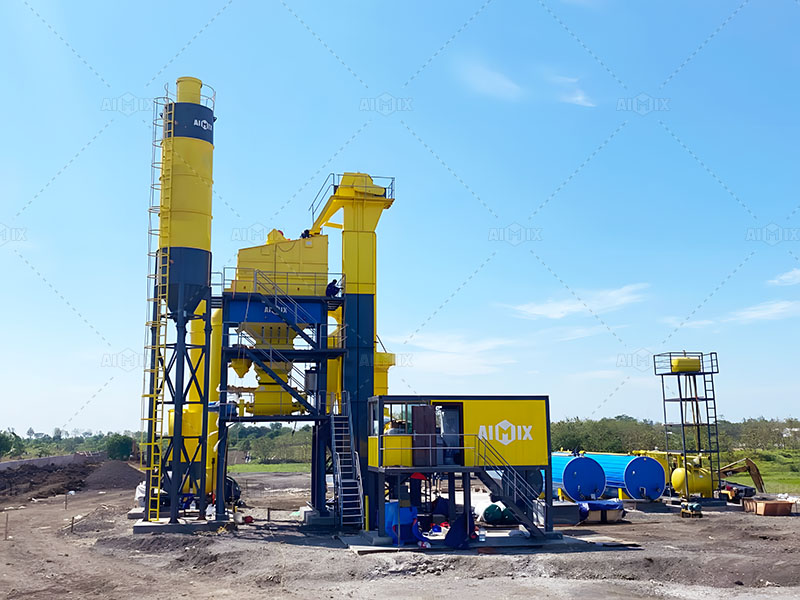
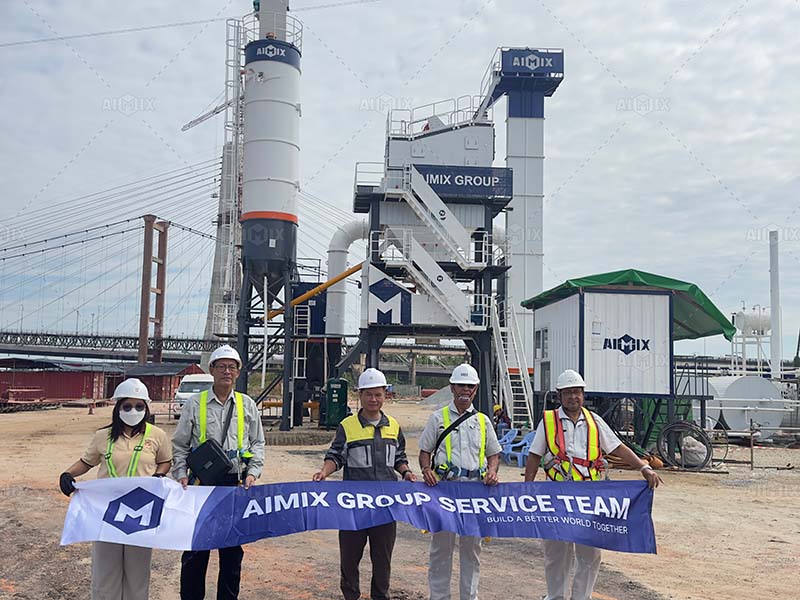
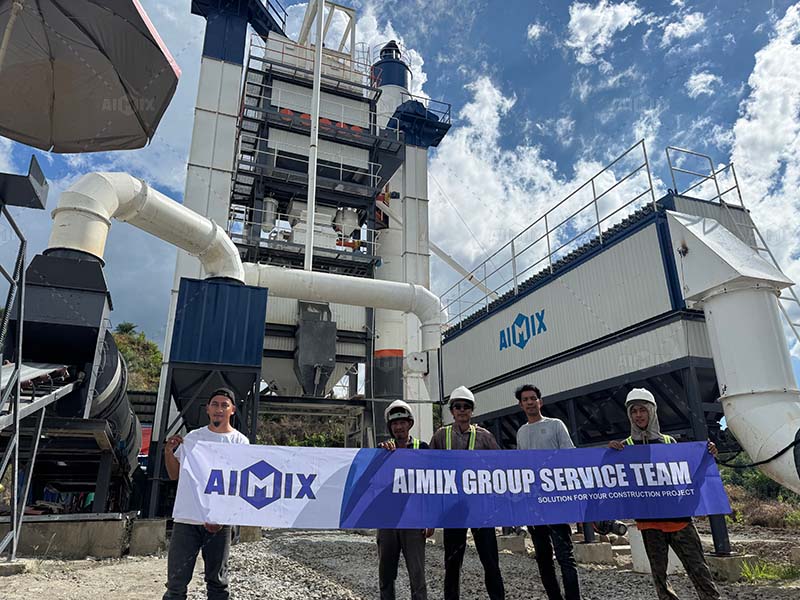
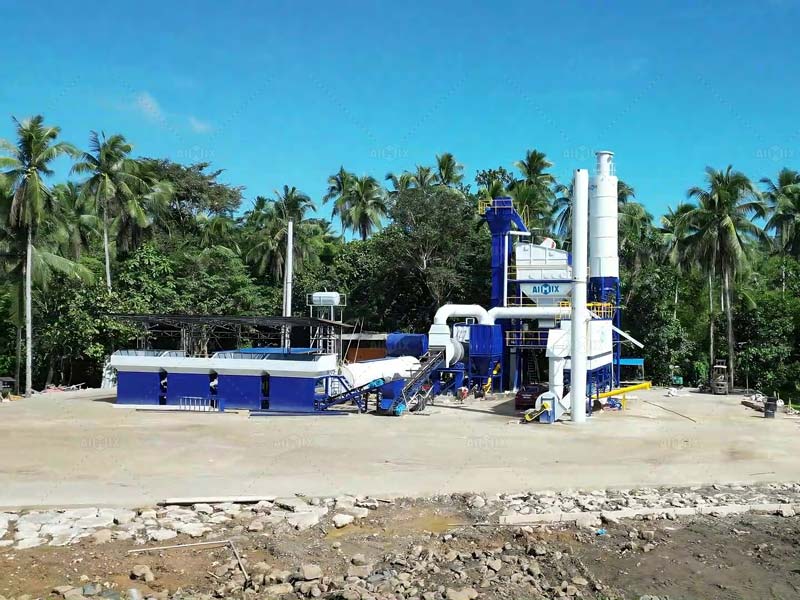
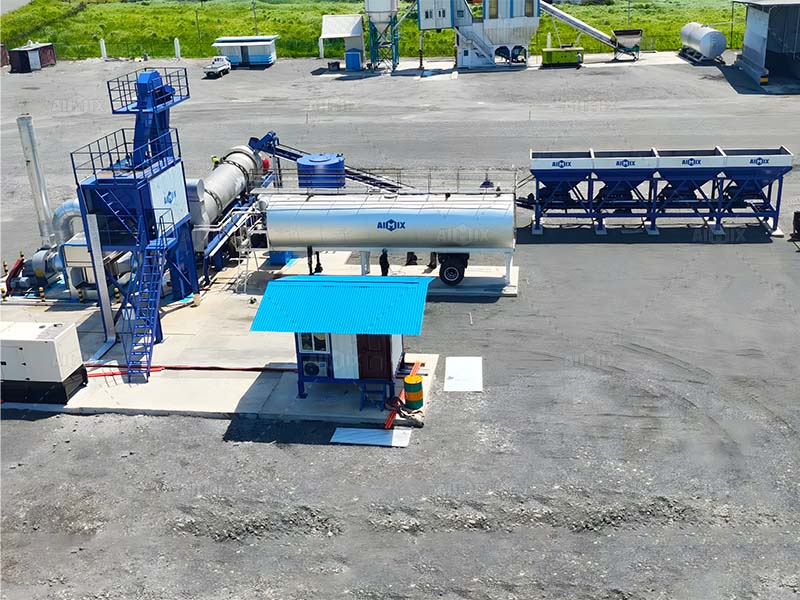
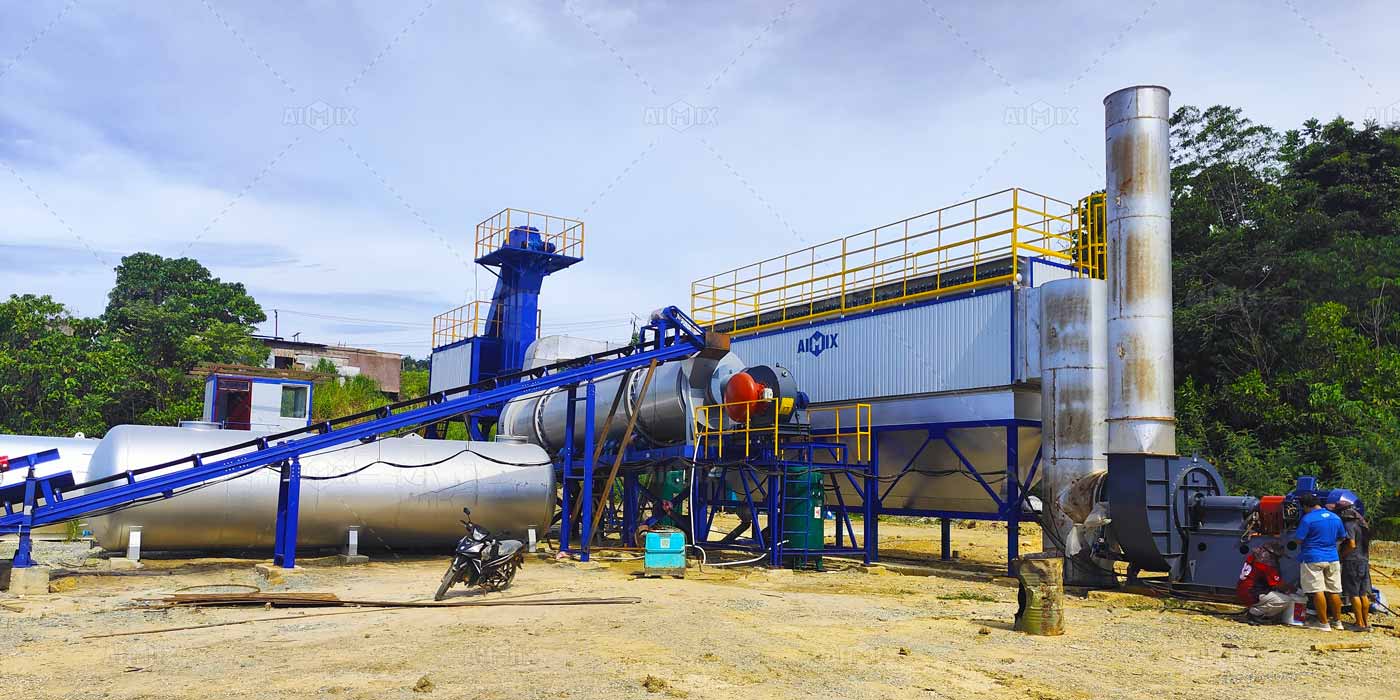
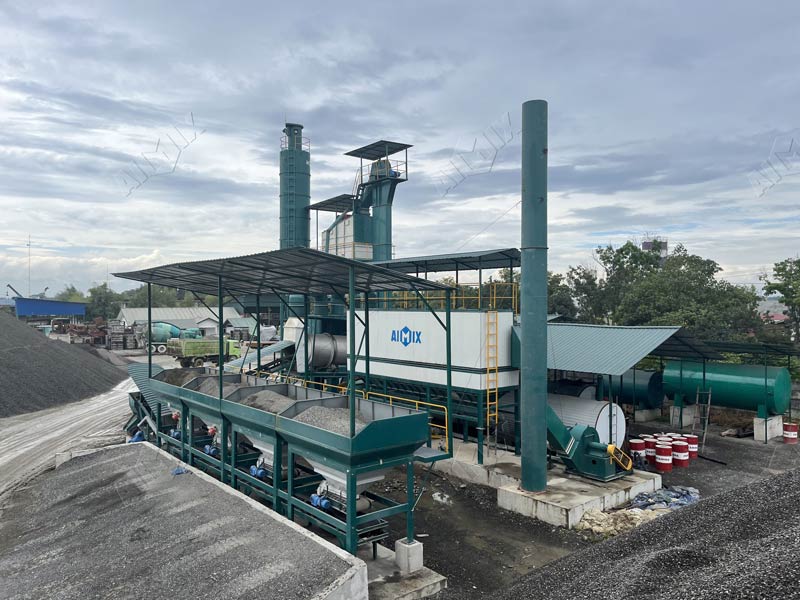
Seeing our asphalt plants in projects around Sri Lanka and nearby regions highlights their reliability and versatility—but nothing shows performance like watching a plant in action on a real site. Check out the ALQ100 running and tested on a Sri Lankan project to see its efficiency and quality firsthand.
Watch ALQ100 Asphalt Mixing Plant in Action in Sri Lanka
See the ALQ100 asphalt mixing plant running on a real Sri Lankan project, delivering high-quality asphalt with precision and efficiency. This video showcases start-up, mixing, and operational testing, demonstrating how our asphalt plant handles local conditions, tough weather, and project demands. Watch to see why Sri Lankan contractors trust us for reliable asphalt production.
Watching the ALQ100 operate in Sri Lanka gives a clear view of its efficiency and precision on real projects. To achieve similar results, the next step is knowing how to identify trustworthy asphalt plant manufacturers in the local market.
Ways to Find Reputable Asphalt Plant Manufacturers in Sri Lanka
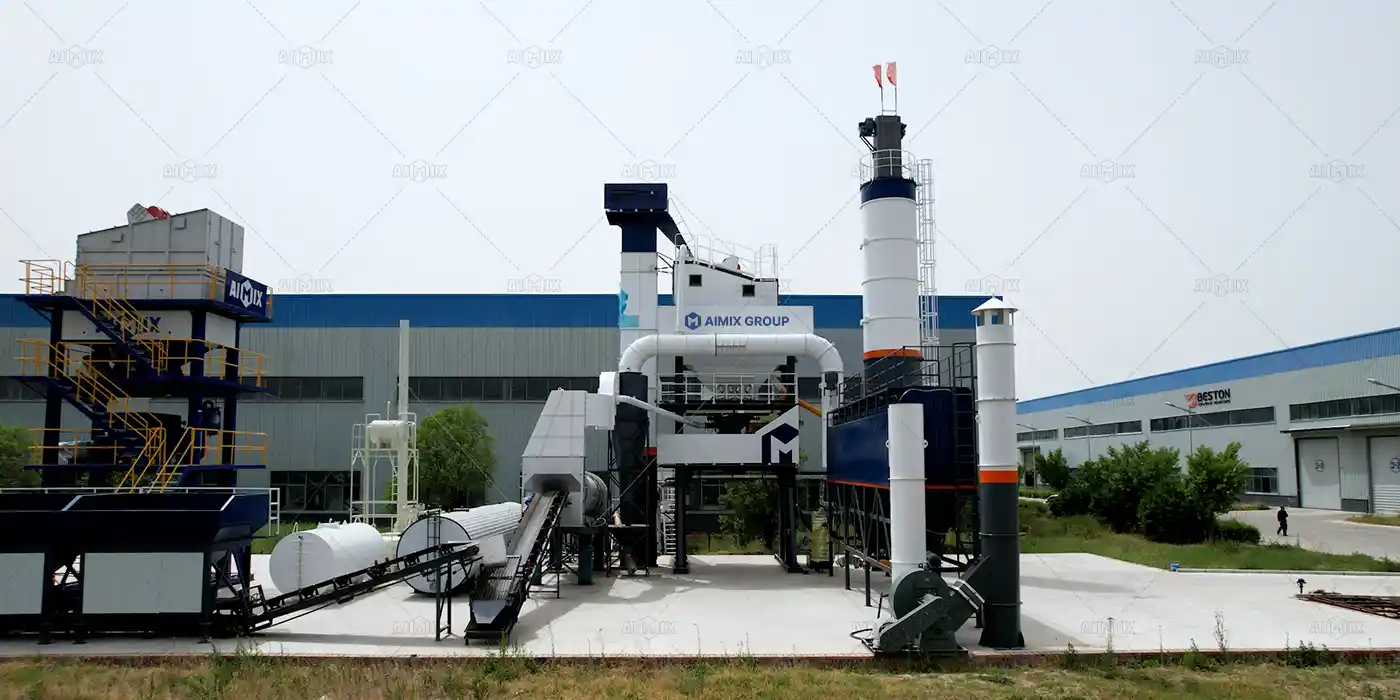
Finding the right asphalt plant manufacturer in Sri Lanka is crucial for ensuring high-quality asphalt production and smooth project execution in Sri Lanka. With numerous options available, it’s essential to choose asphalt plant suppliers & exporters in Sri Lanka that meets your specific requirements, from reliable equipment to strong after-sales support.
Research Local Market Leaders
Start by identifying well-established asphalt batch mixing plant manufacturers in Sri Lanka. Local companies often have a better understanding of regional construction needs, making them a reliable choice. You can visit their facilities or inquire about their projects to ensure their expertise. AIMIX, for example, has a strong presence in Sri Lanka, offering high-quality asphalt plants designed for the local market.
Explore Online Resources
Use search engines like Google or construction-specific platforms to search for asphalt plant manufacturers in Sri Lanka. Look for manufacturers with a solid reputation and good customer reviews. AIMIX’s online presence, with detailed product descriptions, videos, and customer feedback, can help you assess its credibility and make an informed decision.
Consult Industry Professionals
Reach out to contractors or construction experts who are experienced in using asphalt plants in Sri Lanka. These professionals can give you valuable insights based on their experience with different equipment and manufacturers. AIMIX is frequently recommended by industry professionals for its reliable equipment and customer support in Sri Lanka.
Visit Completed Projects
If possible, visit ongoing or completed projects where asphalt plants have been used. Contact project managers to learn about the performance of the equipment. Manufacturers like AIMIX, which has supplied asphalt plants to numerous projects in Sri Lanka, can offer proven solutions based on real-world performance.
Attend Trade Shows or Networking Events
Trade exhibitions and construction industry events in Sri Lanka provide opportunities to meet asphalt plant suppliers in Sri Lanka directly. These events allow you to compare different suppliers, view equipment in person, and even speak with past customers. AIMIX often participates in such events, showcasing its innovative asphalt plants and connecting with potential clients.
Verify After-Sales Support and Services
Reliable manufacturers should offer strong after-sales support, including maintenance, training, and timely spare parts. AIMIX excels in this area, providing extensive customer support, training services, and local assistance to ensure smooth operations of your hot mix asphalt plant for sale in sri lanka.
Finding a reliable asphalt plant manufacturer is just the first step. To ensure smooth operations and long-term success in Sri Lanka, professional service and support are equally important. Let’s explore how expert on-site assistance, training, and maintenance can keep your asphalt plant running efficiently.
Get Professional Asphalt Plant Service Support in Sri Lanka
Reliable service plays a crucial role in keeping asphalt plants running efficiently throughout road and infrastructure projects. From plant installation to long-term technical support, professional service helps contractors reduce downtime, improve operational efficiency, and ensure stable asphalt production.

Project-Based Plant Configuration
Plant layouts optimized for local road conditions and fuel choices, improving production efficiency by up to 20%.
Fast Installation and Commissioning
Professional engineers complete plant installation and testing efficiently, reducing commissioning time by 30–40%.
Training and Technical Guidance
Structured training programs help operators master plant systems quickly, improving daily operating efficiency by over 25%.
Stable Spare Parts Supply
Reliable spare parts supply ensures critical components are available, reducing unexpected plant downtime by up to 35%.
Rapid Technical Support Response
Our remote diagnostics and technical assistance resolve most asphalt mixing plant issues quickly, typically within 24 hours.
Long-Term Service Partnership Support
Continuous technical support helps you extend asphalt plant service life and maintain stable production by 15–20%.
Sri Lanka Asphalt Plant FAQ – Expert Guidance for Local Projects
What Payment Methods Are Recommended for Asphalt Plants in Sri Lanka?
How Can I Place an Asphalt Plant Order Tailored to Sri Lanka Projects?
How Long Will Shipping Take to Sri Lanka, and Which Ports Are Used?
Is Local Delivery and On-Site Handling Available?
Can I Receive a Detailed Quote Before Making a Purchase?
Is Installation, Commissioning, and Operator Training Included?
Are Financing or Flexible Payment Options Available for Sri Lanka Projects?
How Do Asphalt Plants Perform in Sri Lanka’s Rainy Season and Humid Climate?
Build Better Roads in Sri Lanka with the Right Asphalt Plant
Choosing the right asphalt plant helps ensure efficient construction and durable roads in Sri Lanka. Reliable equipment and strong support make your projects smoother and more productive. Want to know the asphalt plant price in Sri Lanka? Contact us today for specifications, price details, and a customized solution for your project.
