

Proper concrete batching plant installation is essential for optimizing concrete production. It guarantees precise mix ratios, efficient material handling, and robust structural support, reducing errors and downtime. A well-installed plant improves quality control, minimizes waste, and complies with safety and environmental standards. This article walks you through every phase of batching plant installation, from pre-planning to post-installation optimization.

Pre-Installation Planning
A well-planned concrete batching plant installation minimizes unexpected delays and ensures compliance with local regulations. This phase generally includes site selection, permitting, and budgeting. Let’s explore them one by one.
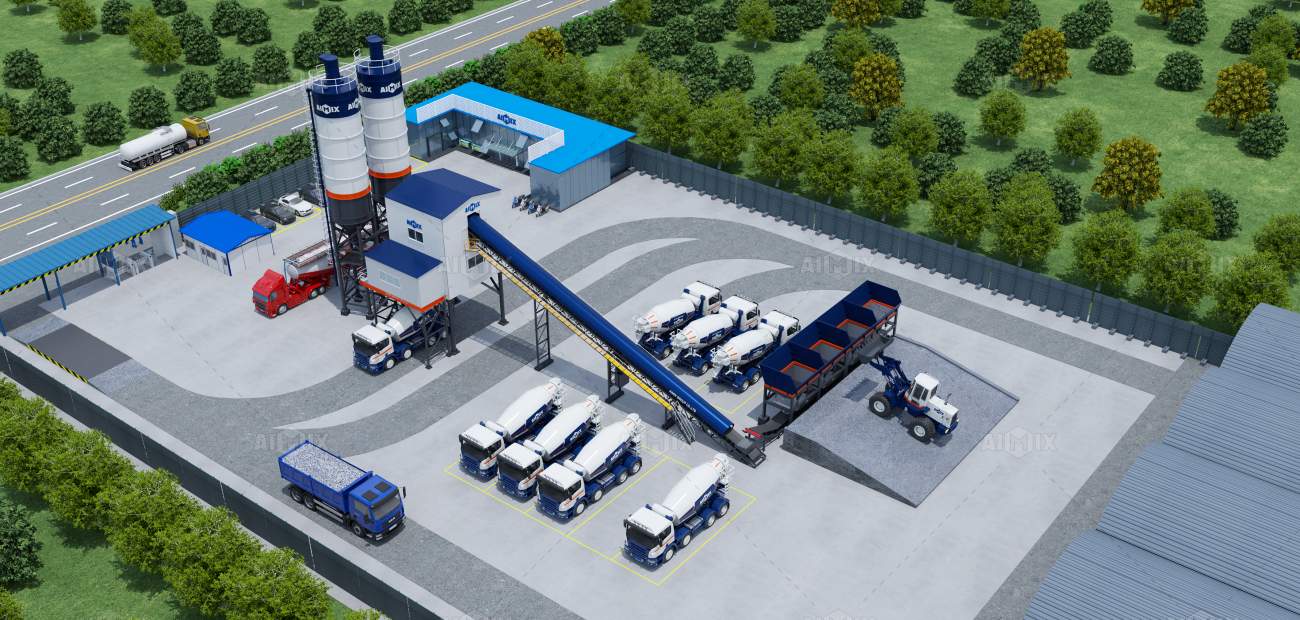
Site Selection
Choosing the right site for your concrete batching plant is critical. Consider the following factors:
- Space Requirements: Ensure the site has sufficient space for the plant, raw material storage, and safe operation of machinery. A large, flat area is ideal for installation of the concrete batching plant.
- Foundation Stability: The site needs to have a stable foundation to support heavy equipment. Soil tests and engineering assessments may be required to determine the appropriate foundation type.
- Accessibility: The location should allow for easy transportation of raw materials and finished concrete. Proximity to roads and transportation networks can reduce logistics costs.
- Environmental Considerations: Consider the local environment, including drainage, potential for flooding, and exposure to extreme weather conditions. Proper drainage and protective measures may be necessary.
- Zoning and Regulations: Verify that the site complies with local zoning laws and regulations. This may involve consulting with local authorities and ensuring the site meets all necessary environmental standards.
Permits and Compliance
Before starting the batching plant erection, you need to secure all required permits and ensure compliance with local and national regulations.
- Building Permits: Obtain permits for construction and installation from local government bodies.
- Environmental Permits: Ensure that the batching plant installation meets environmental regulations, which may include emissions and noise control.
- Safety Certifications: Compliance with occupational health and safety standards is crucial to protect workers and ensure safe operations.
- Utility Connections: Permits may also be required for electrical, water, and gas connections essential for the plant’s operation.
Design and Layout
Stationary vs. Mobile Plants: Stationary concrete plants generally suit large-scale and long-term projects, while mobile plants offer flexibility for remote and limited sites.
Workflow Optimization:
- Position aggregate bins and cement silos near conveyors to minimize material handling.
- Place the control room centrally for visibility of all components.
- Design access roads to prevent congestion between trucks and equipment.
Cost Analysis and Budgeting
A thorough cost analysis helps in setting a realistic budget for the installation project.
- Equipment Costs: Factor in the price of the batching plant itself, including mixers, conveyors, control systems and others.
- Installation Expenses: This includes costs for foundation work, wiring, piping, and assembly.
- Permitting Fees: Budget for all the necessary permits and associated fees.
- Labor Costs: Consider the cost of hiring skilled technicians and laborers for the concrete batching plant installation.
A clear understanding of these costs will help in evaluating the return on investment (ROI) and making informed purchasing decisions.
Step-by-Step Guide to Batching Plant Installation
Once planning is complete, the installation phase can begin. This process is divided into several critical steps, each essential for ensuring a smooth and effective installation.
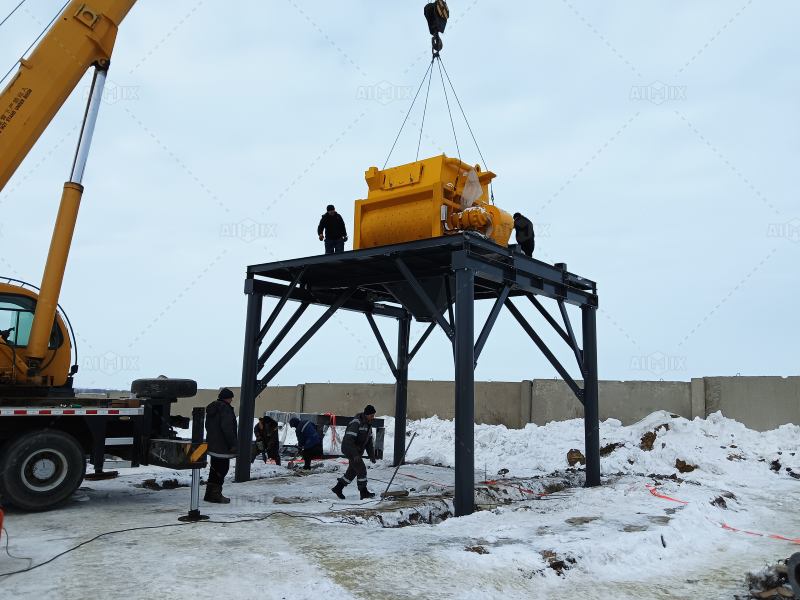
Site Preparation for Concrete Batching Plant Installation
- Clearing and Leveling: Start by clearing the site of any debris, vegetation, or obstacles. The ground should be level to support the batch plant’s foundation.
- Foundation Work: It is important to construct a sturdy foundation tailored to the specific requirements of your concrete batch plant. This may involve pouring a concrete slab or laying down reinforced foundations. Proper curing of the foundation is crucial for long-term stability.
- Utility Setup: Ensure that the site is ready for utility connections, including electrical wiring, water supply, and drainage systems.
Equipment Assembly
- Unpacking Components: Carefully unpack all components of the concrete batching plant and verify that all parts are present and in good condition.
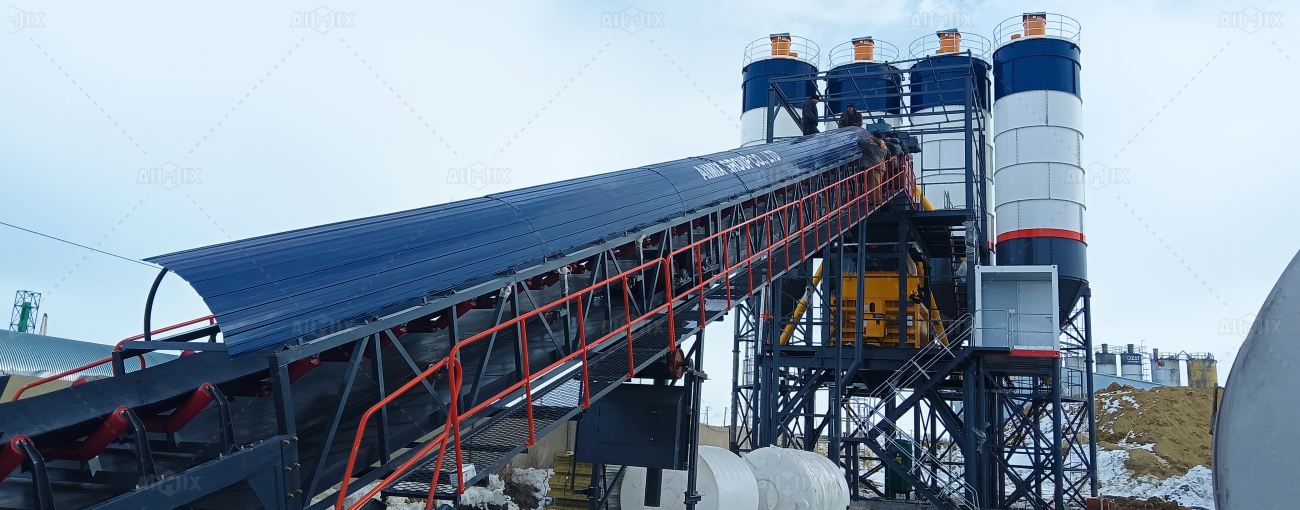
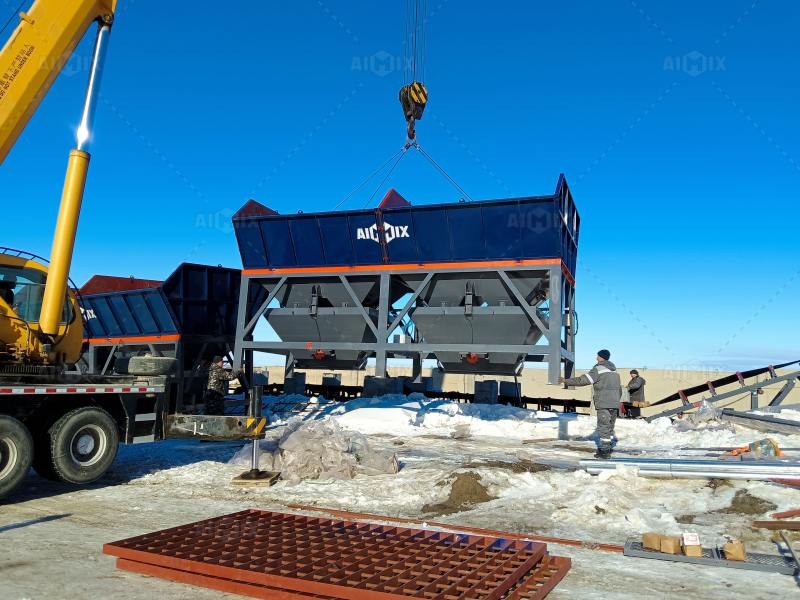
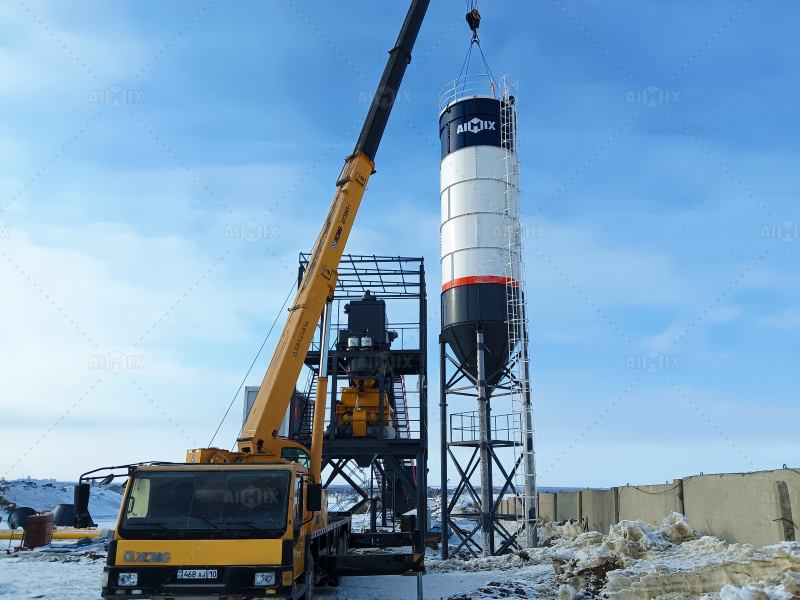
- Assembling Structural Elements: Begin with the assembly of the plant’s frame, storage bins, and conveyors. Follow the manufacturer’s instructions precisely to ensure correct alignment and secure connections.
- Installing the Mixer: Position and secure the concrete mixer unit. This is a critical component where concrete is mixed; therefore, precision during installation is essential.
- Integrating Control Systems: Install and connect the control system, which typically includes a programmable logic controller (PLC) and various sensors. This system will monitor and manage the entire batching process.
System Integration and Setup
- Connecting Piping and Wiring: Properly connect all piping for water, cement, and other materials. Ensure that electrical wiring is safely routed and secured.
- Calibrating Equipment: Run initial tests to calibrate the plant equipment. Adjust settings to ensure that the batching process meets the specified mix ratios.
- Software Configuration: Configure any software or control systems used to monitor and operate the concrete plant. Ensure that real-time monitoring is enabled for key parameters such as mix consistency, temperature, and material flow.
- Quality Control Checks: Implement measures to check the quality of the concrete produced during initial runs. This may include sample testing and verification against industry standards.
Safety Protocols
- On-Site Safety Guidelines: Develop and enforce safety protocols for all personnel involved in the ready mix concrete plant setup. Ensure that everyone wears appropriate personal protective equipment (PPE).
- Training for Installation Teams: Provide comprehensive training to all workers on the safe operation and handling of equipment. Include instructions on emergency procedures and equipment shutdown protocols.
- Emergency Preparedness: Install safety features such as emergency stop buttons and clear signage. Conduct safety drills to ensure everyone is prepared for potential incidents.
Testing and Commissioning After Finishing Batching Plant Installation
Once installation is complete, testing and commissioning are essential to ensure that the plant operates as expected.
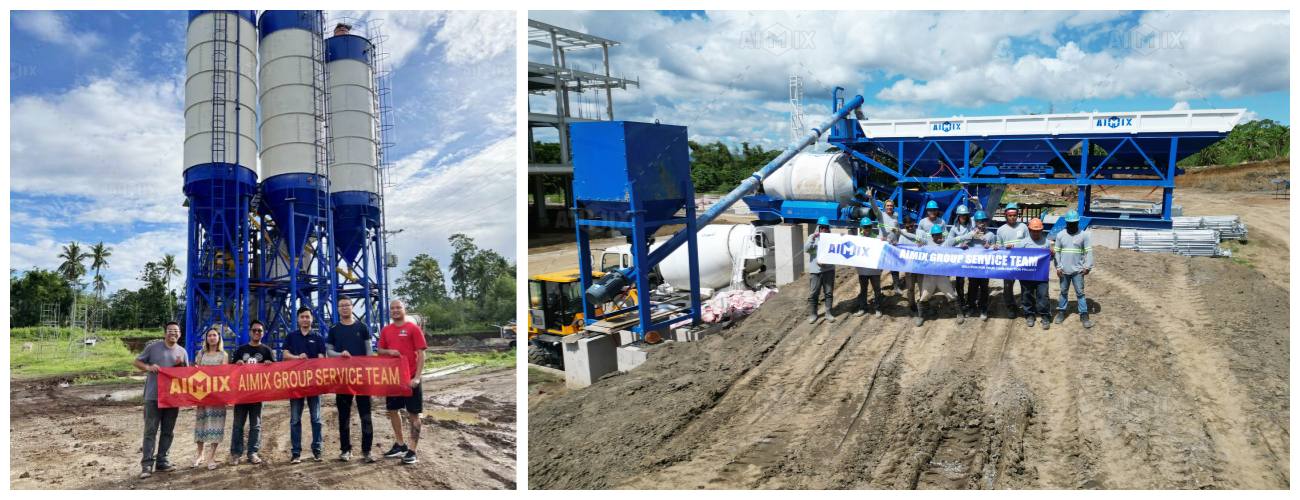
Initial System Tests
- Test Batches: Run several test batches of concrete to verify that all systems are functioning correctly. Monitor the mixing process, flow of materials, and overall plant performance.
- Troubleshooting: Identify any issues that arise during testing. Common issues may include misaligned components, inaccurate mix ratios, or malfunctioning sensors.
- Documentation: Record all test results, adjustments made, and any issues encountered. This documentation will be valuable for future reference and maintenance.
Final Calibration and Adjustments
- Fine-Tuning Settings: Adjust the equipment settings based on test batch results. Ensure that all components are calibrated to produce consistent and high-quality concrete.
- Quality Assurance: Implement final quality control measures. This may include additional laboratory testing of concrete samples to ensure they meet industry standards.
- Final Inspection: Conduct a thorough inspection of the entire concrete mixing plant to ensure that every component is securely installed and functioning properly. Sign off on the commissioning process once all tests have been successfully completed.
Post-Installation Best Practices
After the batch plant is up and running, maintaining efficiency and longevity is crucial. Post-installation practices ensure that the plant continues to operate safely and efficiently.
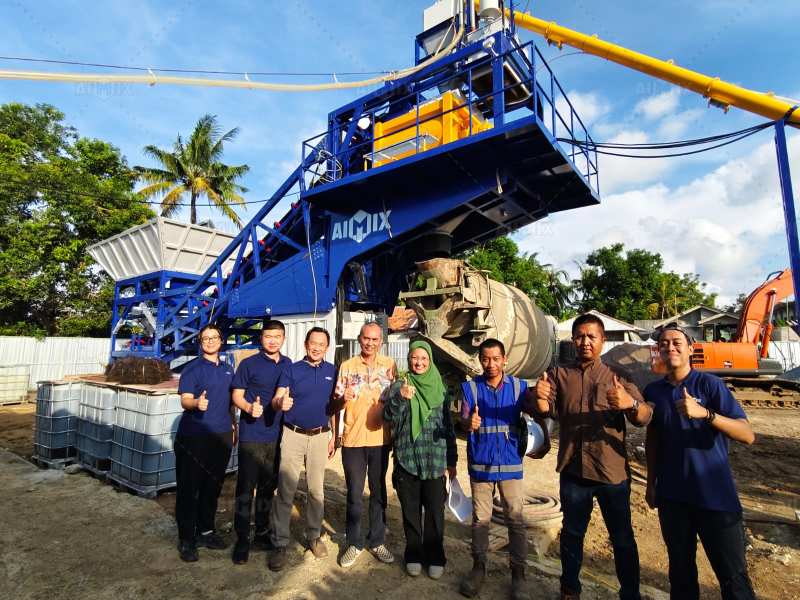


Operator Training and Handover
- Comprehensive Training: Provide in-depth training for all plant operators. This training should cover daily operations, troubleshooting, and routine maintenance.
- User Manuals: Distribute detailed user manuals and technical documentation. These materials should cover the operation, maintenance schedules, and safety procedures for the batching plant.
- Handover Process: Conduct a formal handover of the plant from the installation team to the operations team. Ensure that all documentation, test results, and maintenance schedules are handed over.
Regular Maintenance and Inspections
- Scheduled Maintenance: Establish a regular maintenance schedule to inspect and service the mixing plant. This includes checking mechanical components, electrical systems, and control software.
- Preventative Measures: Use predictive maintenance strategies enabled by IoT sensors and monitoring systems. This proactive approach helps identify potential issues before they lead to costly downtime.
- Record Keeping: Maintain detailed records of all maintenance activities. This record can help in troubleshooting future issues and extending the concrete mixer plant’s life.
Upgrading and Future-Proofing
- Technology Upgrades: Stay informed about technological advancements in concrete batching plant systems. Upgrading automation or adding IoT capabilities can further optimize performance.
- Modular Design: Consider installing modular systems that allow for easy upgrades and expansion. This flexibility can help accommodate future increases in production demands.
- Sustainability Initiatives: Explore eco-friendly upgrades such as energy-efficient motors, waste recycling systems, and solar power integration to improve sustainability and reduce long-term operating costs.
Common Challenges and Solutions
During installation, several challenges may arise. Recognizing these challenges and implementing strategies to overcome them is essential for a successful project.
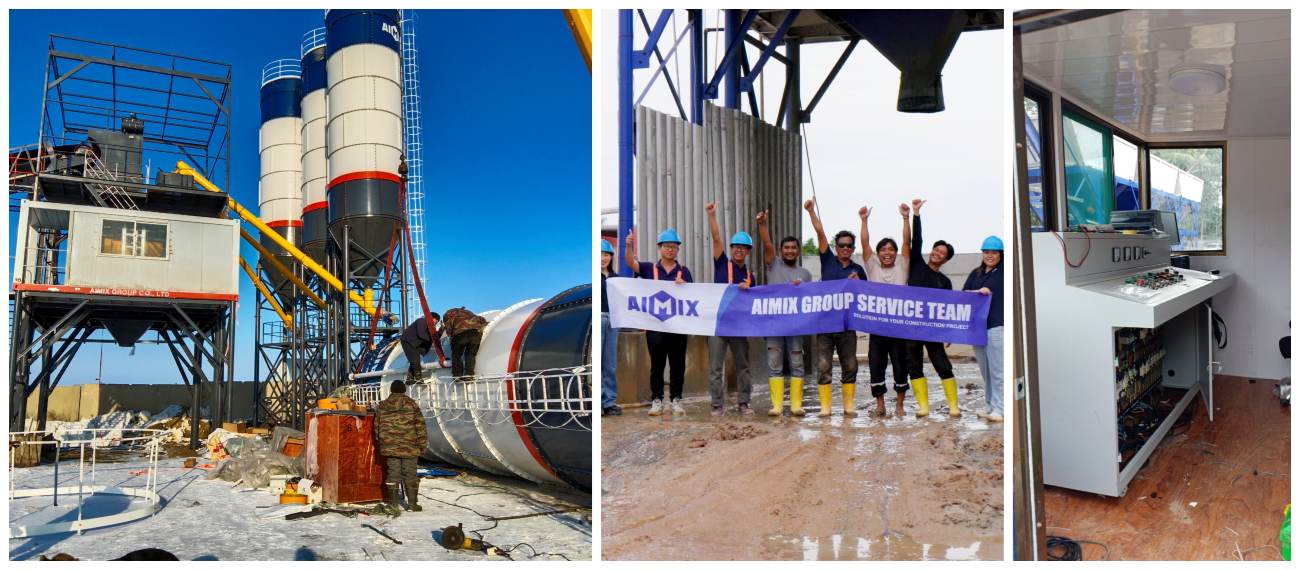
Weather and Environmental Factors
- Extreme Weather: Adverse weather conditions can delay batching plant installation and affect the curing of foundations. Mitigate this risk by planning installations during favorable weather periods and implementing protective measures.
- Site Conditions: Unforeseen site conditions, such as poor soil quality or unexpected debris, may require additional preparation work. Conduct thorough site assessments and have contingency plans in place.
Logistical and Supply Chain Issues
- Equipment Delays: Delays in equipment delivery or shortages in raw materials can disrupt the batching plant erection timeline. Maintain clear communication with suppliers and have backup plans for critical components.
- Coordination Challenges: Managing multiple contractors and coordinating schedules can be complex. Designate a project manager to oversee the installation process and ensure smooth communication among all parties.
Technical Challenges
- Calibration Issues: Initial calibration of batching equipment can be challenging if components are misaligned or not functioning as intended. Conduct multiple test batches and allow ample time for fine-tuning.
- Software Integration: Integrating control systems and IoT devices may encounter compatibility issues. Work closely with technical support from manufacturers to resolve software challenges promptly.
- Training Gaps: Inadequate training of staff on new systems can lead to operational inefficiencies. Ensure comprehensive training sessions and ongoing support are provided.
Ready to get started? Contact our team of experts for end-to-end installation support, from site surveys to calibration. Let’s build your success — one batch at a time.