

Investing in a concrete batching plant in the USA presents a unique set of challenges: navigating varying state-level EPA regulations, managing high operational costs, and ensuring reliable uptime. Our overview provides clear insights into selecting a compliant and efficient plant that meets the rigorous demands of the American construction industry, helping you avoid costly errors and maximize your return on investment.
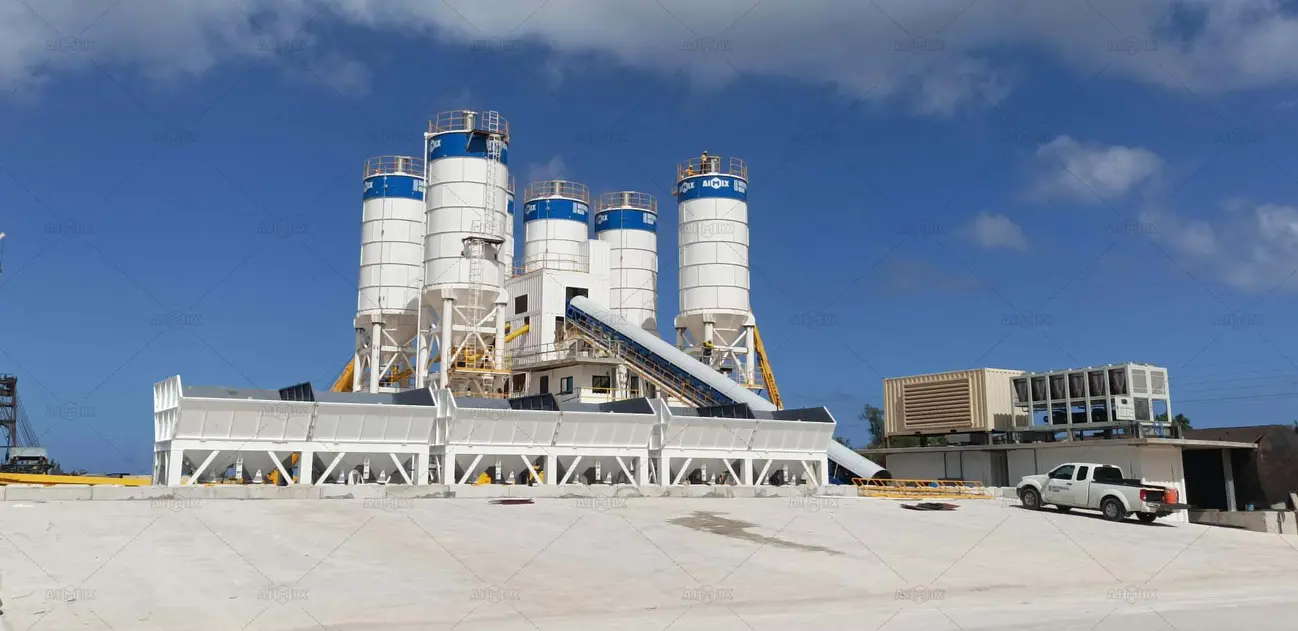
Regional Differences in Concrete Batching Plant Demand Across the USA
Concrete production needs vary significantly across the United States due to climate, project types, urban density, and construction schedules. Understanding these regional characteristics is essential to select a plant that delivers consistent quality and performance under local conditions.
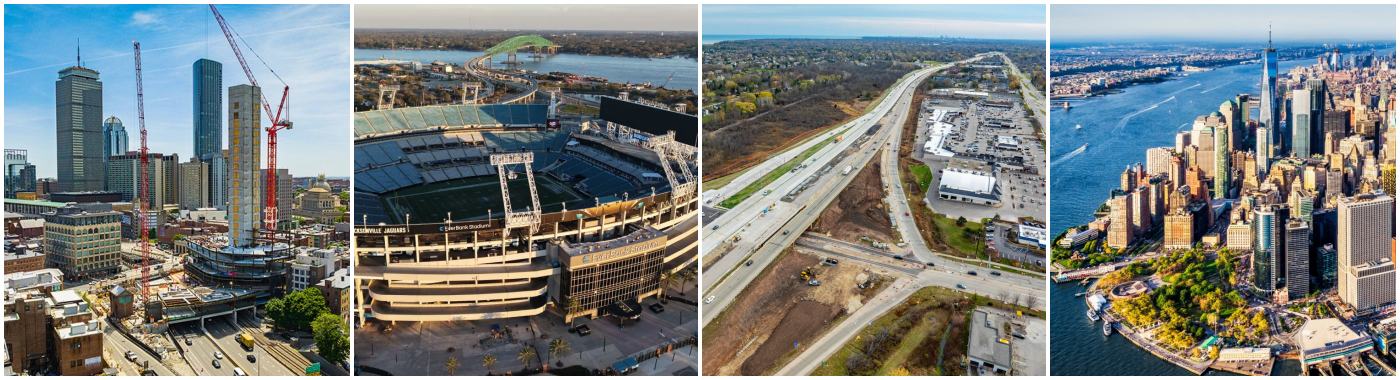
Northeast – Urban and Space-Limited Projects
The Northeast, including New York, Boston, and Pennsylvania, is dominated by dense urban construction and renovation projects. Construction and production teams should address tight site constraints while maintaining efficiency and concrete quality. Key considerations include:
Southern States – Rapid Expansion and High-Volume Demand
In Texas, Florida, Georgia, and other Southern states, population growth and urban expansion drive large residential and commercial construction projects. Contractors and project teams require batching mixing plants that can handle high volume and multiple sites. Key considerations include:
Midwest – Cold Weather and Infrastructure Projects
States such as Illinois, Ohio, Michigan, and Wisconsin are hubs for highway and bridge construction, often under harsh winter conditions. Operational reliability is critical for long-duration infrastructure projects. Key points:
Western States – Sustainability and Environmental Awareness
California, Oregon, and Washington emphasize sustainable urban development and low-carbon concrete. Contractors and developers prioritize concrete batch plants that minimize environmental impact while maintaining performance. Key points:
Regional Comparison Table
| Region | Construction Focus | Climate | Operational Priorities | Key Considerations |
|---|---|---|---|---|
| Northeast | Urban & renovation | Cold winters | Compact, flexible, precise | Space constraints, short timelines, high-rise projects |
| Midwest | Infrastructure & bridges | Freezing winters | Durable, high-output, reliable | Cold-weather operation, seasonal surges, large batches |
| South | Residential & commercial growth | Hot climate | High-volume, flexible, fast setup | Multiple sites, year-round operation, rapid urban expansion |
| West | Sustainable urban projects | Mild, eco-focused | Resource-efficient, consistent, low-emission | Recycling, energy efficiency, green building projects |
Types of Concrete Batching Plants Available for the USA
Choosing the right batching plant is crucial to meet regional construction needs and operational goals. For the U.S. market, we typically provide three main types: stationary, mobile, and compact plants. Each type addresses specific project sizes, site conditions, and production requirements.
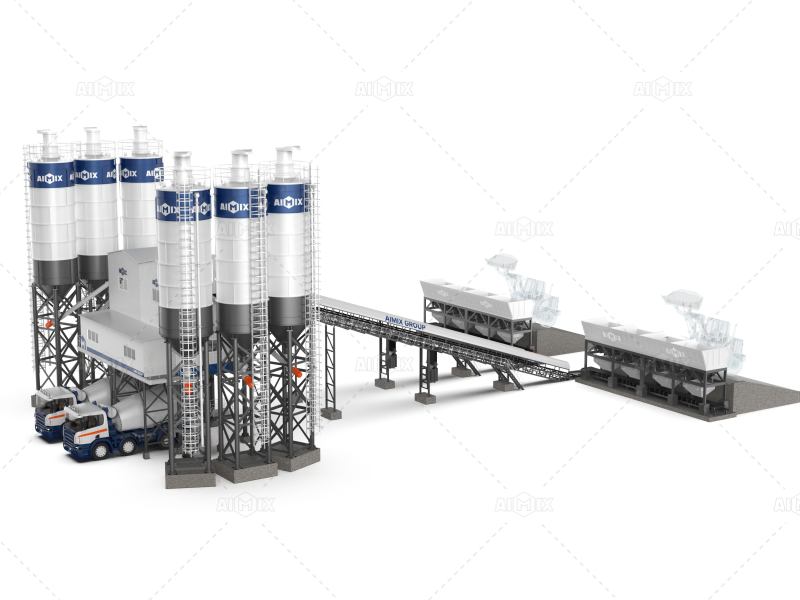
Stationary Concrete Batching Plants
Stationary concrete batching plants are designed for long-term, high-volume operations, with capacities of up to 270 m³/h, making them ideal for highways, airports, and urban redevelopment projects. They feature a fully computerized control system with real-time monitoring, data traceability, fault alerts, and a modular layout for easier maintenance and reduced downtime.
- Suitable for permanent job sites with dedicated space
- High production capacity for continuous output
- Modular designs allow future expansion or upgrades
- Can integrate dust collection, water recycling, and automated controls
Contractors and companies in the Midwest and West often favor stationary batching plants due to their reliability, scalability, and ability to meet consistent high-volume demands.
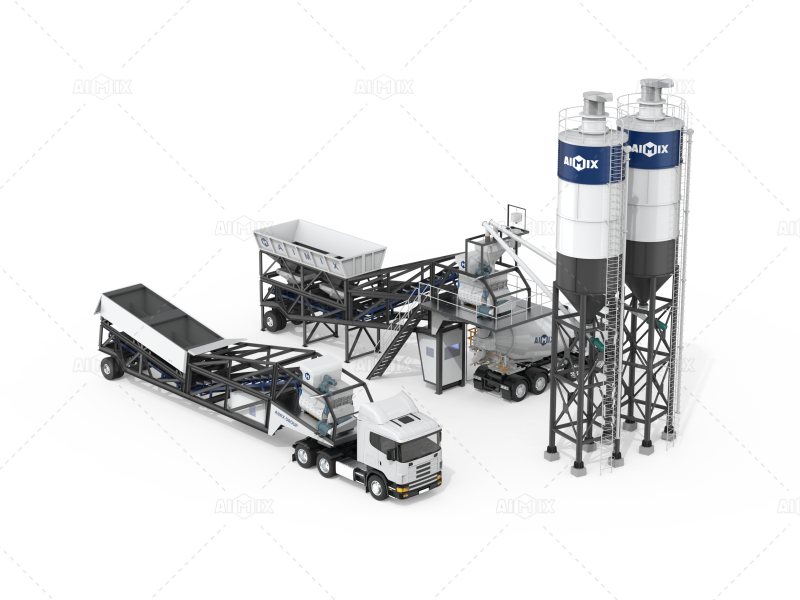
Mobile Concrete Batch Plants
Mobile concrete plants offer flexibility and fast deployment, ideal for temporary sites, highway construction, and multi-site operations. Our opular models AJY60 and AJY90 feature intelligent control systems that automate batching, weighing, mixing, and discharging with high precision (aggregates ±2%, cement/water ±1%), and support remote monitoring and fault diagnosis for easy, efficient operation.
- Quick setup and easy relocation between sites
- High adaptability to different terrains and project scales
- Capable of producing various concrete mixes efficiently
- Lower initial site preparation requirements compared to stationary plants
Southern states and regions with dispersed projects benefit most from mobile concrete plants because of their flexibility, rapid deployment, and multi-site efficiency.
Compact Concrete Batching Plants
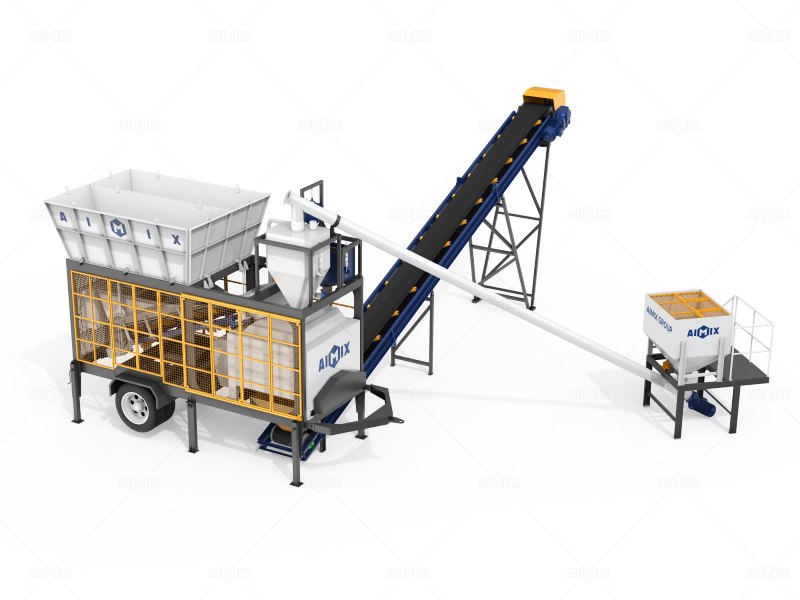
Compact concrete batching plants are designed for space-limited sites, ideal for urban projects or smaller-scale construction. Popular model AJSY40 features extremely simple operation with manual or semi-automatic control, some higher-end models offer basic PLC, and both remote control and touchscreen modes make operation quick and intuitive.
- Reduced site preparation and foundation costs
- Fast installation and easy relocation within limited space
- Supports smaller urban or renovation projects effectively
The Northeast urban markets often favor compact batch plants to maximize production efficiency while working within tight city spaces.
Specifications of Concrete Batch Plants
| Type | Belt Type | |||||
|---|---|---|---|---|---|---|
| Model | AJ60 | AJ90 | AJ120 | AJ180 | AJ240 | AJ270 |
| Theoretical productivity (m³/h) | 60 | 90 | 120 | 180 | 240 | 270 |
| Mixer discharge volume (L) | 1000 | 1500 | 2000 | 3000 | 4000 | 4500 |
| Mixer feeding volume (L) | 1500 | 2250 | 3000 | 4500 | 6000 | 6750 |
| Mixer power (kw) | 18.5×2 | 30×2 | 37×2 | 55×2 | 75×2 | 75×2 |
| Discharge height (m) | 4.1 | 4.1 | 4.2 | 4.2 | 4.2 | 4.2 |
| Aggregate bin configuration (number × single bin volume, m³) | 4×7 | 4×15 | 4×20 | 4×25 | 4×30 | 4×30 |
| Cycle time (s) | 60 | 60 | 60 | 60 | 60 | 60 |
| Maximum aggregate particle size (mm) | 80/100 | 80/100 | 80/100 | 80/100 | 80/100 | 80/100 |
| Cement silo (optional) | 2×100 | 3×100 | 4×100 | 4×100 | 4×100 | 4×100 |
| Aggregate weighing system | ±2% | ±2% | ±2% | ±2% | ±2% | ±2% |
| Powder weighing system | ±1% | ±1% | ±1% | ±1% | ±1% | ±1% |
| Water weighing system | ±1% | ±1% | ±1% | ±1% | ±1% | ±1% |
| Additive weighing system | ±1% | ±1% | ±1% | ±1% | ±1% | ±1% |
| Installed power (kw) | ≈110 | ≈160 | ≈220 | ≈290 | ≈340 | ≈340 |
| Control mode | Fully automated computer (PC) control | |||||
| Power supply | 220V/415V/440V/380V, 50Hz/60Hz, three-phase | |||||
| Model | AJY-60 | AJY-90 |
|---|---|---|
| Theoretical production efficiency (m3 /h) | 50 | 75 |
| Mixer discharge capacity (liter) | 1000 | 1500 |
| Mixer feeding capacity (liter) | 1600 | 2400 |
| Mixer motor power (kw) | 18.5×2 | 30×2 |
| Discharge height (m) | 4.1 | 4.1 |
| Aggregate storage capacity (m3) | 8×3 | 12×3 |
| Working cycle period (sec) | 60 | 60 |
| Maximum aggregate particle size (mm) | 80/100 | 80/100 |
| Cement silo (tons) (optional) | 100×1 | 100×2 |
| Aggregate weighing system precision | ±2% | ±2% |
| Accuracy of powder weighing system | ±1% | ±1% |
| Precision of water weighing system | ±1% | ±1% |
| Accuracy of additive weighing system | ±1% | ±1% |
| Installation power (kw) | ≈100 | ≈140 |
| Traction method | semi-trailer | semi-trailer |
| Control mode | computer control | computer control |
| Power supply | 220V/415V/440V/380V, 50Hz/60Hz, three-phase | |
Regulatory Requirements for Concrete Batching Plants in the USA
Operating a concrete batching plant in the USA requires strict adherence to federal, state, and local regulations. Compliance ensures safe operations, minimizes environmental impact, and avoids costly fines or project delays.
EPA Environmental Requirements
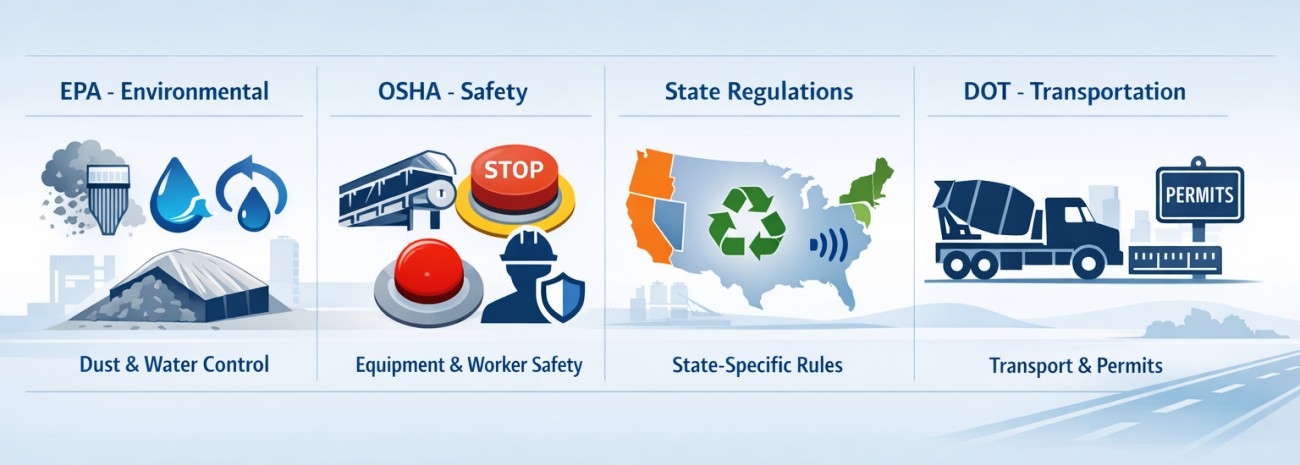
The Environmental Protection Agency (EPA) regulates air and water quality standards for batching plants.
- Dust emission control: Silo filters, enclosed conveyors, and hoods prevent particulate dispersion.
- Wastewater management: Recycling and treatment prevent contamination of local water resources.
- Emission reduction: Minimizing pollutants from mixers, conveyors, and diesel-powered equipment.
- Material storage: Proper handling of cement and aggregates avoids dust spread.
EPA compliance is mandatory, particularly in densely populated or environmentally sensitive regions.
OSHA Safety Standards
OSHA ensures worker safety through equipment standards, procedures, and training.
- Equipment guarding: Barriers around mixers, conveyors, and moving parts prevent accidents.
- Emergency stop systems: Accessible shut-off controls ensure quick response to incidents.
- Worker procedures: Safe loading, unloading, and handling protocols reduce workplace risk.
- Operator training: Staff should be trained in hazards, equipment use, and emergencies.
Following OSHA guidelines maintains safety, productivity, and legal compliance.
State-Specific Environmental Regulations
Several states enforce stricter rules than the federal EPA. Concrete industry stakeholders should adapt accordingly.
- California CARB: Low-emission equipment and rigorous dust control are required.
- Northeast states: Noise and water use compliance are enforced for urban projects.
- Waste management: Some states mandate recycling and proper disposal of concrete waste.
Understanding state-specific rules prevents fines and operational delays.
DOT Transportation Requirements
Mobile batching plants should comply with Department of Transportation regulations.
- Vehicle size, weight, and height should meet federal and state transportation limits.
- Oversized or overweight equipment requires special permits for interstate movement.
- Transport routes need to be planned carefully to avoid accidents and legal violations.
- Compliance ensures safe, efficient relocation for multi-site or temporary projects.
NFPA and Fire Safety Standards
The National Fire Protection Association sets fire and dust safety regulations.
- Dust explosion prevention systems are required for storage and transfer areas.
- Electrical equipment should be properly grounded to avoid sparks and ignition.
- Fire suppression systems need to be installed for rapid response to emergencies.
- Staffs should be trained to handle fire hazards safely and effectively.
Local Permits and Waste Management
Local authorities impose additional requirements beyond federal and state rules.
- Air permits and zoning approvals are required before plant installation begins.
- Stormwater management systems must prevent contaminated runoff into waterways.
- Wastewater treatment and recycling reduce environmental impact and regulatory risk.
- Compliance ensures smooth operation and avoids fines or unexpected shutdowns.
Automation and Productivity in U.S. Batching Plants
High Labor Cost ChallengesLabor costs in the U.S. are high, making automation essential for efficient batching plant operations.
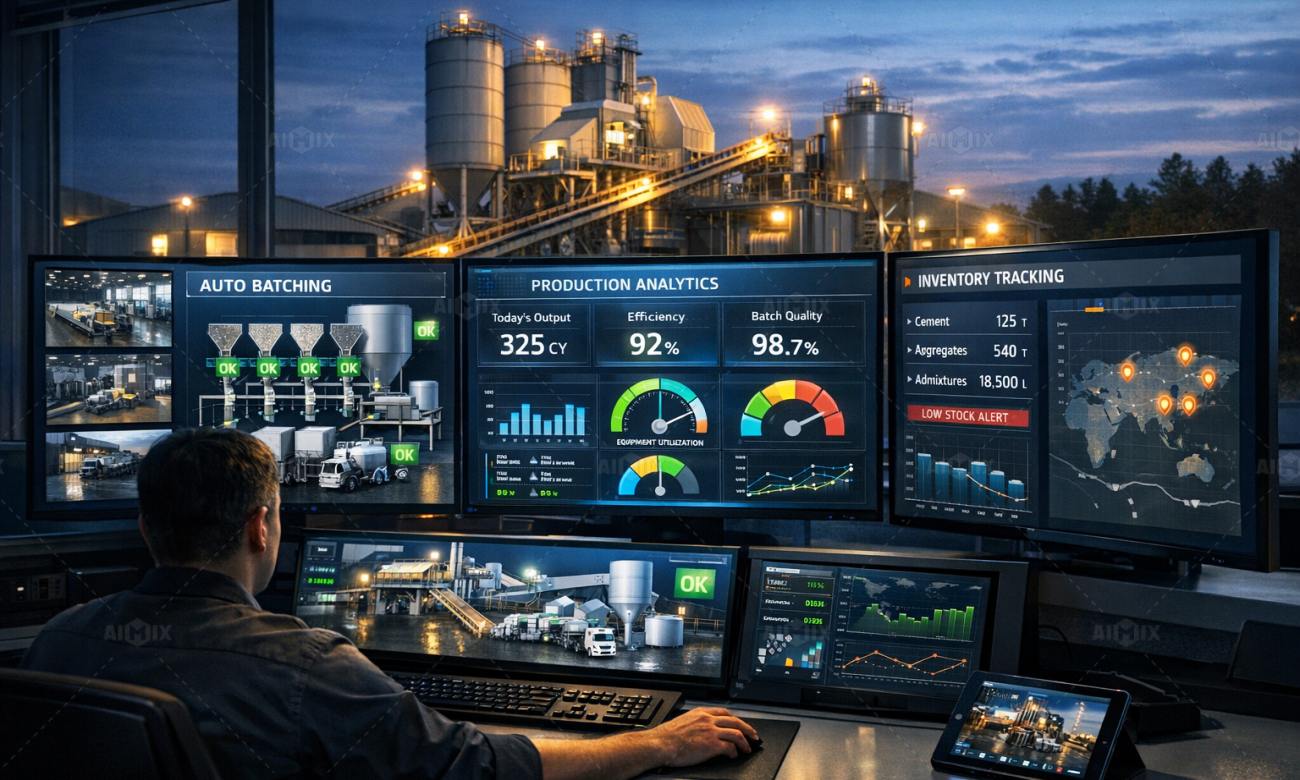
Fully Automatic Batching SystemsAutomatic systems control aggregates, cement, and water precisely, reducing human error and ensuring consistent concrete quality.
Production Reporting and Data AnalysisReporting systems provide real-time data on output, batch performance, and plant efficiency for informed decision-making.
Remote Monitoring CapabilitiesRemote monitoring allows operators to track performance, detect anomalies, and adjust plant operations without being on-site.
Inventory and Material TrackingAutomated inventory tracking monitors raw materials, aggregates, and additives, preventing shortages and optimizing material usage.
Multi-Site Management and Consistent QualityAutomation enables contractors to manage multiple plants simultaneously while ensuring consistent concrete quality across projects.
Concrete Batching Plant Cost in the USA
Typical Equipment Price Range
Concrete batching plant prices in the U.S. depend mainly on production capacity, plant type, and configuration level. Smaller plants are more affordable and suitable for small projects or new concrete businesses. For example, the Aimix AJ-25 stationary batching plant price starts at around USD 33,000, while the AJY-25 mobile batching plant starts at about USD 38,000, offering greater flexibility for temporary job sites.
As plant capacity increases, equipment size, automation level, and material storage systems also expand, leading to higher investment costs. In general, the larger the output capacity and the higher the configuration, the higher the batching plant price. Medium and large batching plants designed for commercial concrete production or infrastructure projects typically require a significantly larger budget.
Major Cost Components
Investing in a concrete batching plant involves several components. Below is a typical cost breakdown for U.S. batching plants:
| Component | Typical Share of Total Investment |
|---|---|
| Mixer system | 20%–30% |
| Aggregate batching system | 15%–25% |
| Cement silos | 10%–15% |
| Environmental equipment | 10%–15% |
| Installation & civil works | 15%–20% |
| Permits & documentation | 5%–10% |
Brief Explanation:
Mixer system (20–30%)Central to consistent concrete quality; larger mixers cost more.
Aggregate batching system (15–25%)Includes weighers, conveyors, and storage for sand, gravel, and stone.
Cement silos (10–15%)Multiple silos provide storage flexibility.
Environmental equipment (10–15%)Dust collection and wastewater treatment ensure compliance.
Installation & civil works (15–20%)Includes foundations, structural supports, and on-site assembly.
Permits & documentation (5–10%)Covers local and state approvals, including environmental permits.
This breakdown helps the companies allocate budget effectively and compare small, medium, and large plants.
Operating Cost Considerations
Ongoing costs significantly affect concrete mixing plant profitability. Key factors include:
- Electricity consumption: Powering mixers, conveyors, and control systems for continuous production.
- Maintenance: Regular servicing of mixers, belts, and automation systems prevents downtime.
- Labor: Operators and technicians are necessary even with automated systems.
- Compliance inspections: Periodic checks for EPA, OSHA, and local regulations ensure uninterrupted operations.
Planning for operating costs ensures sustainable production and consistent concrete supply across projects.
Choosing the Right Batching Plant Partner in the U.S.
After understanding equipment and operating costs, the next step is choosing a supplier that can support reliable, long-term plant operation. For U.S. contractors and concrete producers, reliable operation, consistent concrete quality, and reduced downtime are critical factors when selecting batching equipment. Aimix supports customers with lifecycle service designed to keep batching plants running efficiently from installation through daily operation.
Project Planning and Configuration Support
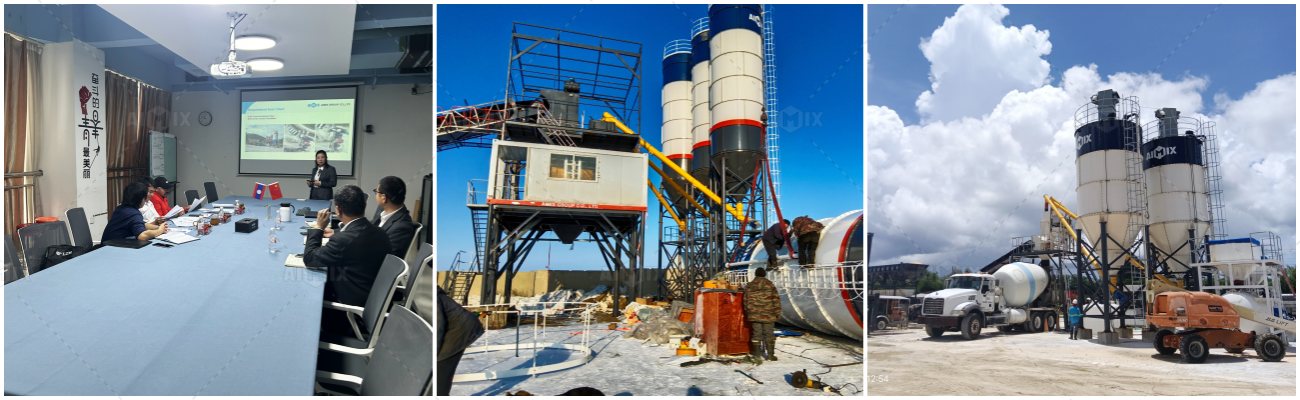
Before purchase, Aimix provides project consultation, plant configuration recommendations, and investment analysis to help customers select equipment that matches production demand, jobsite conditions, and budget goals. This planning stage helps avoid overspending or under-sizing equipment.
Installation and Commissioning Support
To help customers start production quickly, we provide installation guidance, commissioning assistance, and operator training. Clear technical documentation and remote engineering support help reduce setup time and ensure smooth plant startup.
Reliable Operation and Technical Support
Stable production is essential for concrete supply projects. Our company provides troubleshooting support, maintenance guidance, and follow-up service to help customers maintain concrete plant performance in the USA, reduce unexpected downtime, and extend equipment lifespan.
By combining cost-effective equipment with practical service support, We Aimix helps U.S. customers protect their investment and maintain efficient concrete production over the long term.
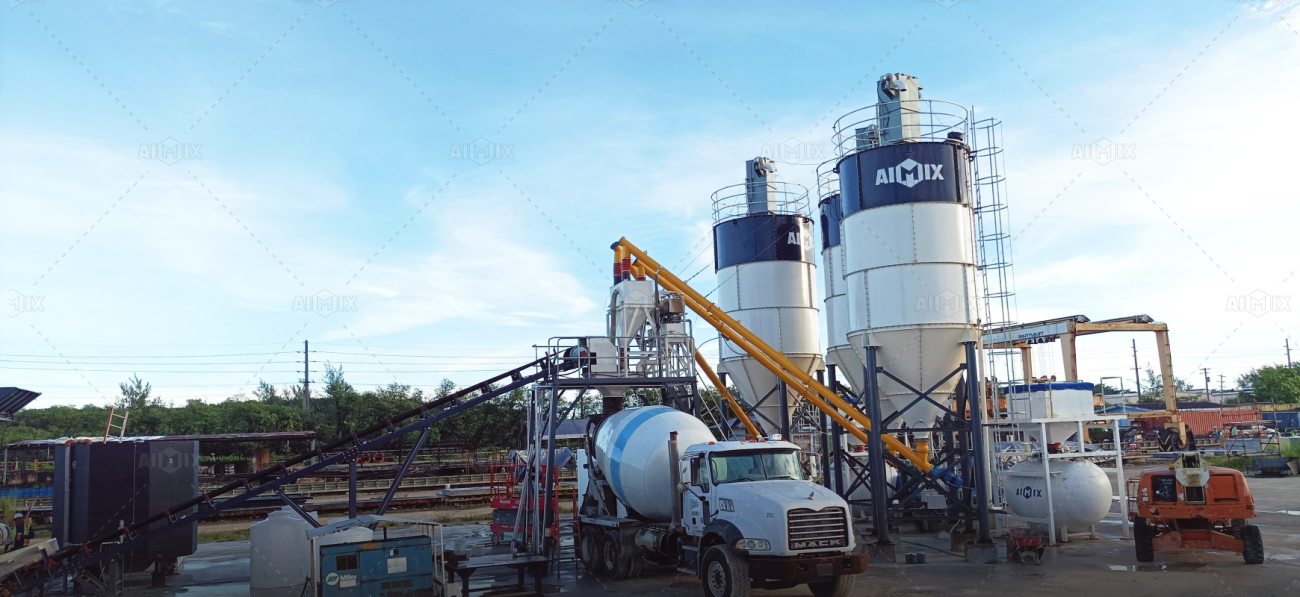
Project Case-AJG-50 Dry Batching Plant for a U.S. Precast Concrete Company
A U.S. precast concrete manufacturer installed an AJG-50 dry batching plant to secure a stable concrete supply and reduce long-term production costs. Previously, the company relied on third-party concrete suppliers, which created cost pressure and inconsistent material quality.
Customer Challenges
AIMIX Solution
AIMIX provided a complete project support plan, including equipment selection guidance, installation supervision, operator training, and after-sales service support to ensure smooth plant operation.
Project Results
This project highlights how a reliable dry concrete batching plant can help precast manufacturers improve efficiency, control quality, and reduce costs. We looks forward to working with more customers across the USA and providing dependable equipment, professional support, and better service for local concrete production projects.
Future Trends in the U.S. Concrete Industry
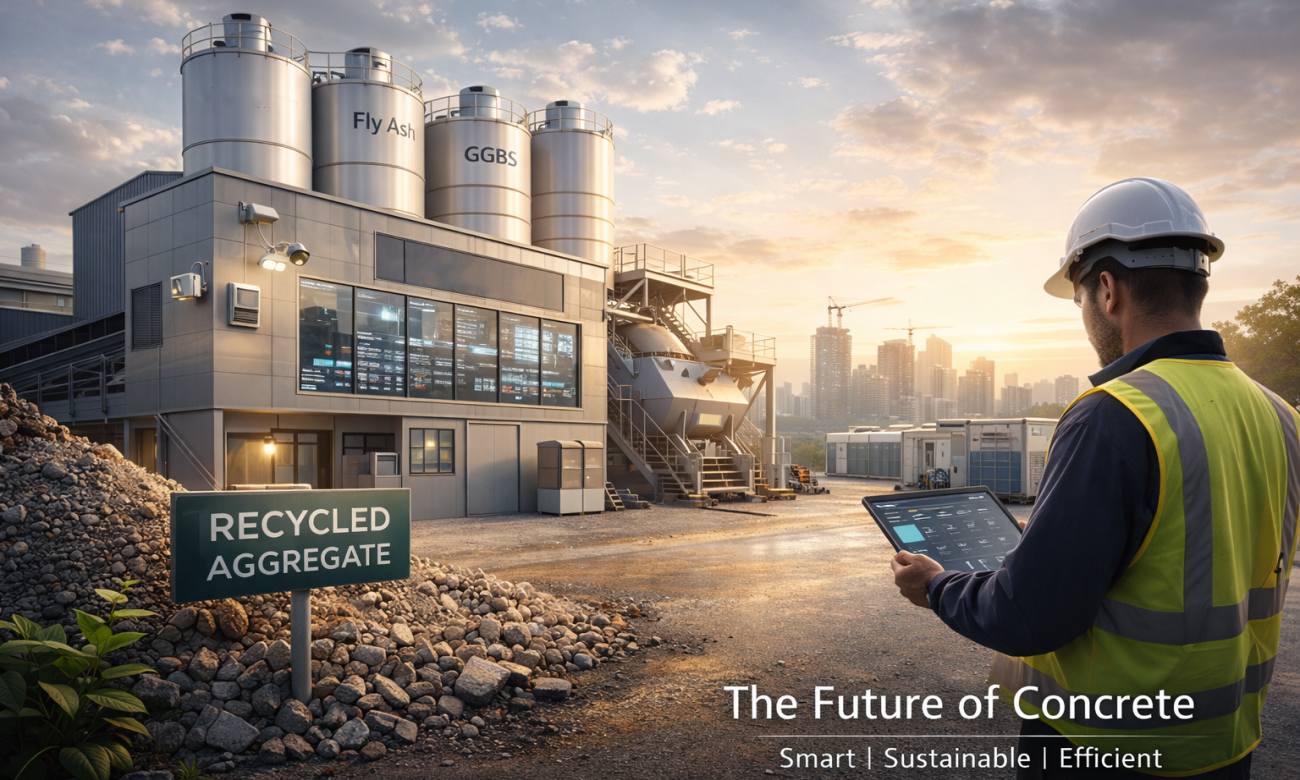
The U.S. concrete industry is evolving rapidly, driven by sustainability, efficiency, and advanced technology. Concrete industry stakeholders are adopting innovative solutions to reduce environmental impact, improve productivity, and stay competitive across diverse construction projects.
Recycled Aggregates and Low-Carbon Concrete
Incorporating recycled concrete, industrial by-products, fly ash, and slag reduces landfill waste, lowers carbon footprint, and supports compliance with green building and sustainability standards.
IoT and Automation
IoT-enabled batching plants provide remote monitoring, automated control, and predictive analytics, enhancing operational efficiency, reducing human error, and improving production consistency across multiple sites.
Predictive Maintenance
Data-driven predictive maintenance uses real-time equipment monitoring to anticipate failures, minimize downtime, extend plant lifespan, and maintain continuous high-quality concrete output for all projects.
Modular and Flexible Plant Design
Modular batching plants offer scalable, relocatable solutions for urban, temporary, or multi-site projects, reducing installation time, minimizing site disruption, and enabling rapid adaptation to project needs.
Ready to Optimize Your Concrete Production?
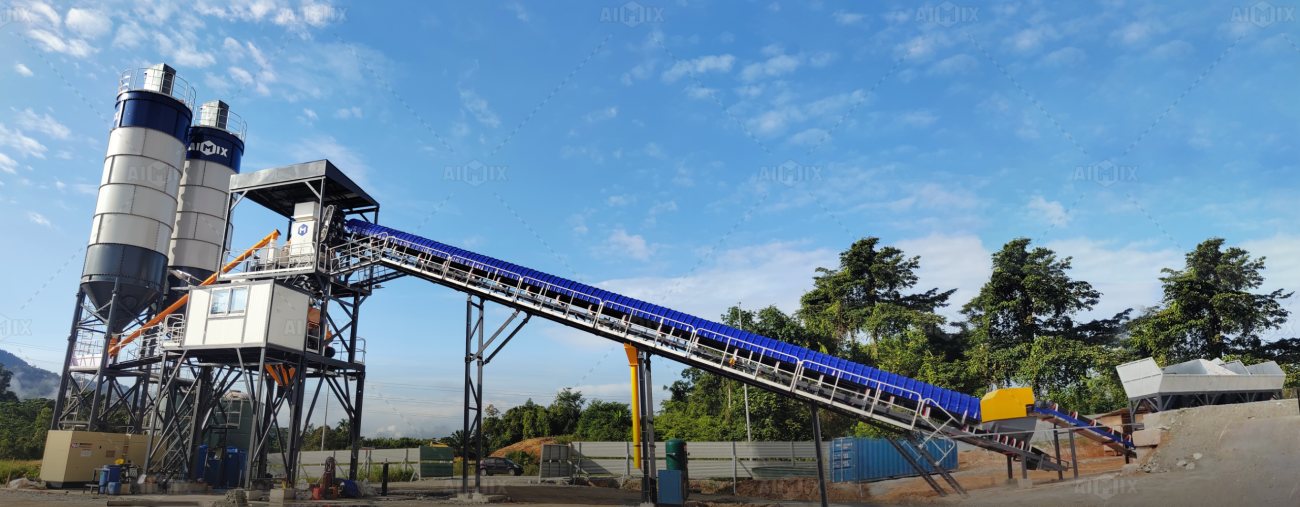
Choosing the right concrete batching plant for your U.S. operations is a strategic decision that impacts your efficiency, compliance, and long-term profitability. By focusing on local regulations, lifecycle costs, and reliable service support, you can build a more resilient and competitive business.
Ready to find a solution tailored to your specific project and location? For personalized advice and quotes from trusted suppliers who understand the American market, contact our team of experts today. Let’s build your success, batch by batch.
