

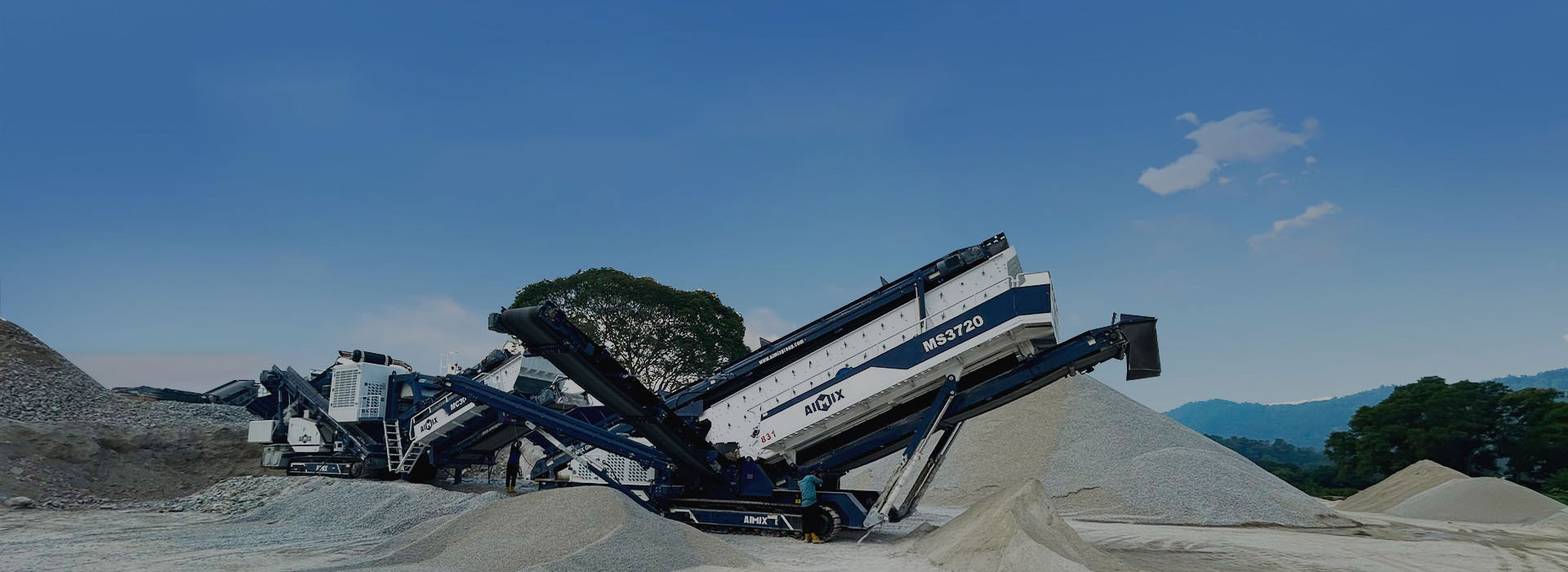
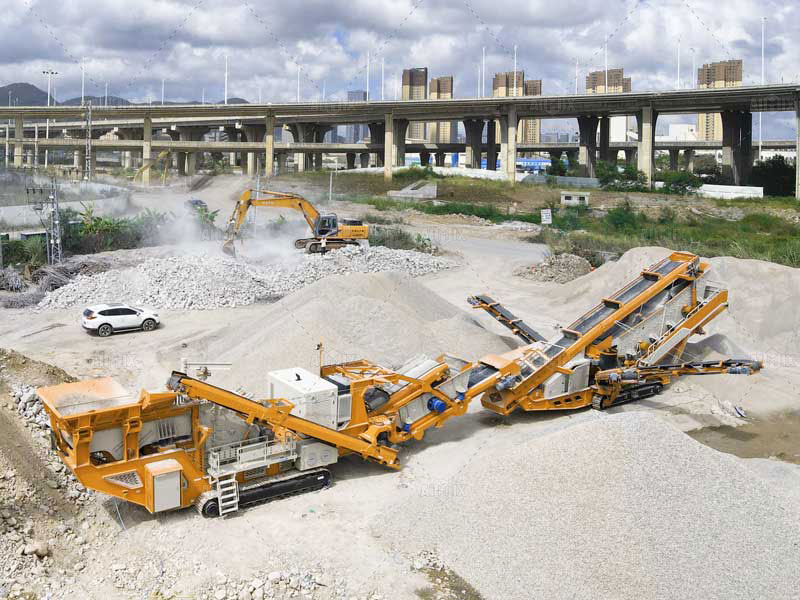
Sand and aggregate production forms the backbone of global infrastructure. From highways to high-rise buildings, every project depends on a steady supply of high-quality materials. However, rising demand, environmental pressure, and efficiency challenges are reshaping the industry. Today, aggregate producers must adopt smarter solutions to stay competitive. In this article, we explore the current landscape of the industry, the challenges, essential equipment, and how AIMIX stone crusher plants help businesses succeed in the evolving aggregate industry.
Global Demand for Sand and Aggregates: Market Growth and Opportunities
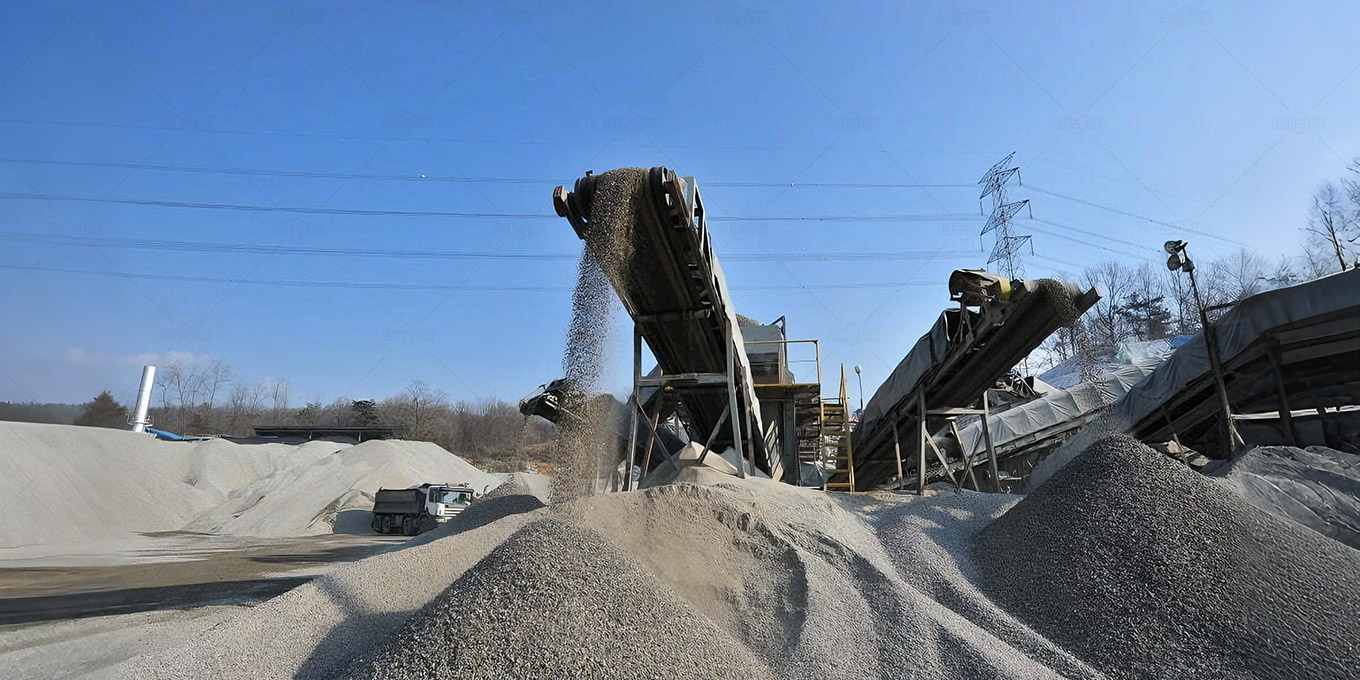
The sand and aggregate production industry is the silent giant of the global economy. It serves as the foundation for infrastructure development, real estate construction, and transportation networks worldwide. Currently, the market is experiencing unprecedented demand, driven by rapid urbanization in developing nations and the need to rebuild aging infrastructure in developed ones.
Urbanization as the Primary Growth Engine
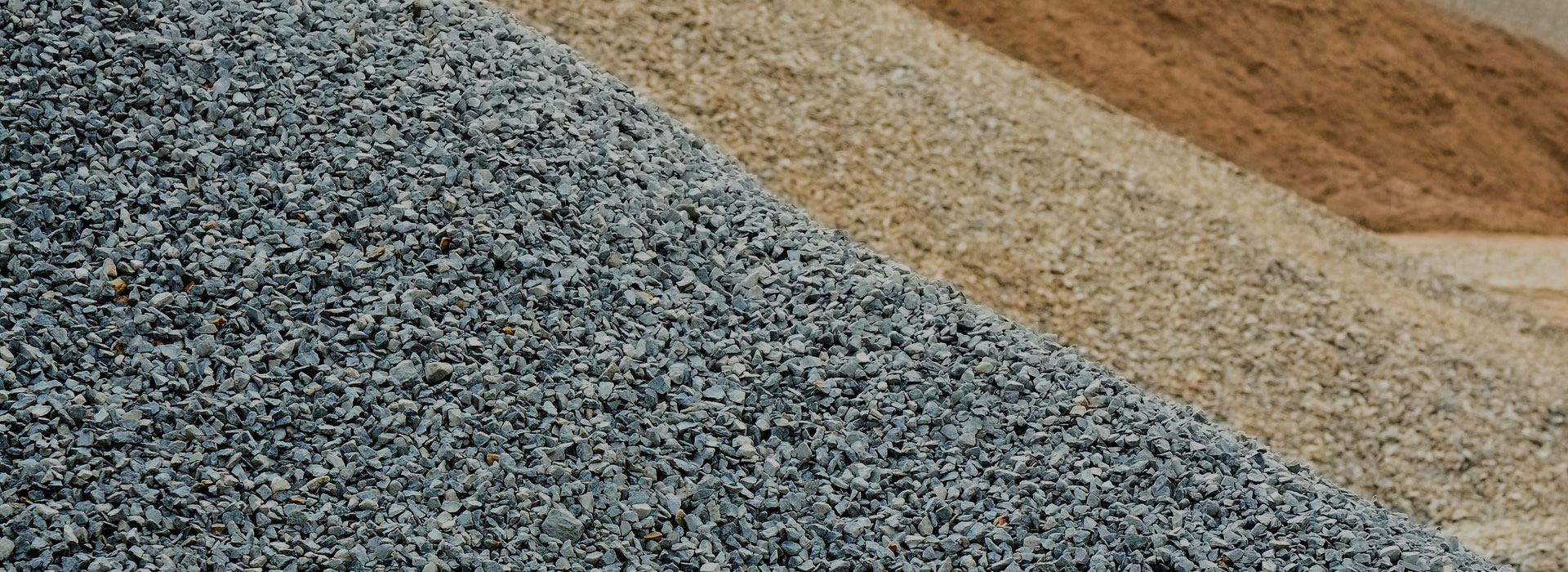
The United Nations estimates that by 2050, nearly 68% of the world’s population will reside in urban areas, up from 55% today. This translates to an additional 2.5 billion people living in cities. Each one of these new urban dwellers will require housing, clean water systems, schools, and transportation networks. In practical terms, the World Bank estimates that to meet global infrastructure needs, the world must invest an average of $4.5 trillion annually in infrastructure through 2030. Every dollar of that investment flows directly into demand for sand and aggregate production.
Infrastructure Spending as a Catalyst
Government stimulus programs across developing economies are accelerating this demand. India’s National Infrastructure Pipeline (NIP) , for instance, has committed over $1.4 trillion to infrastructure projects through 2025. Similarly, the Belt and Road Initiative continues to drive massive aggregate consumption across Central Asia, Southeast Asia, and Africa. These investments are not short-term spikes. They represent multi-year, sustained demand that requires producers to scale capacity, maintain consistent quality, and optimize operational efficiency.
The Global Shift from Natural Sand to Manufactured Sand (M-Sand)
Natural sand is becoming scarce, with global consumption hitting 50 billion metric tons annually, leading to severe environmental damage and strict extraction bans in over 70 countries. This crisis has created a major opportunity for the manufactured sand (M-Sand) market, which is projected to grow at a CAGR of over 12% through 2030. For producers, this shift is a strategic advantage: M-Sand is not only a sustainable alternative to natural sand but also a technically superior product that commands higher margins.
Regional Hotspots and Emerging Opportunities
Understanding regional demand is essential for strategic growth:
Asia-Pacific: The dominant market leader (over 60% of global consumption), driven by rapid urbanization and infrastructure expansion in China, India, and Indonesia.
Africa: A high-growth frontier fueled by a young, urbanizing population and significant infrastructure needs in countries like Nigeria, Kenya, and Ethiopia.
Middle East: Experiencing intense demand for high-specification materials, largely due to massive development projects like NEOM (Saudi Arabia) and UAE infrastructure initiatives.
Latin America: Showing steady growth supported by ongoing investments in transportation and renewable energy projects, particularly in Brazil, Mexico, and Colombia.
Market trends and opportunities evolve rapidly. For a complete breakdown of market projections, regulatory analysis, and profit margin benchmarks, explore our exclusive Sand and Aggregate Industry White Paper. You can check it to access the data-driven insights you need to make confident investment decisions in your next stone crusher plant or production line expansion.
Application Areas of Sand and Aggregates
Sand and gravel aggregates play a crucial role across multiple industries. Understanding these applications helps producers align their operations with market needs.
Concrete preparation
Road construction
Building construction
Infrastructure construction
Railway engineering
Water engineering
Landscaping
Environmental Projects
Decorative Use
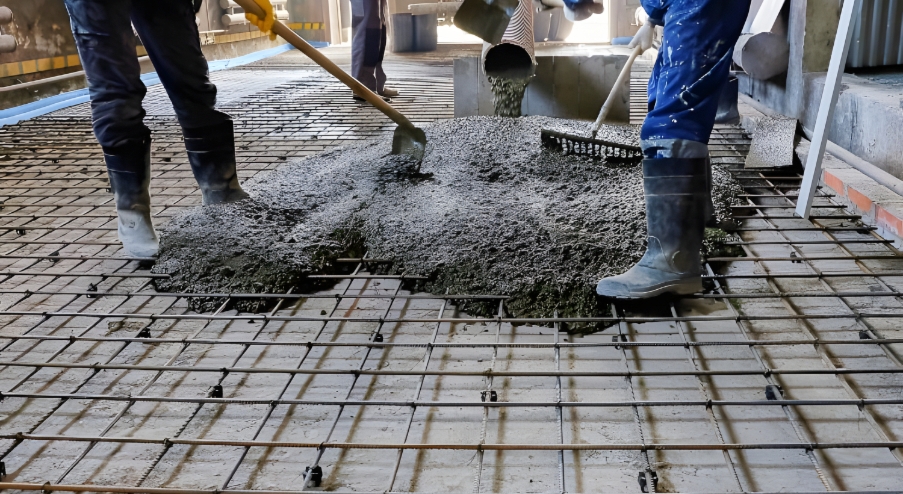
Concrete preparation
In concrete, sand and gravel aggregates occupy most of the volume and are used to provide strength and structural stability to the concrete. Both fine aggregates (e.g. sand) and coarse aggregates (e.g. gravel) are indispensable components in the production of concrete.
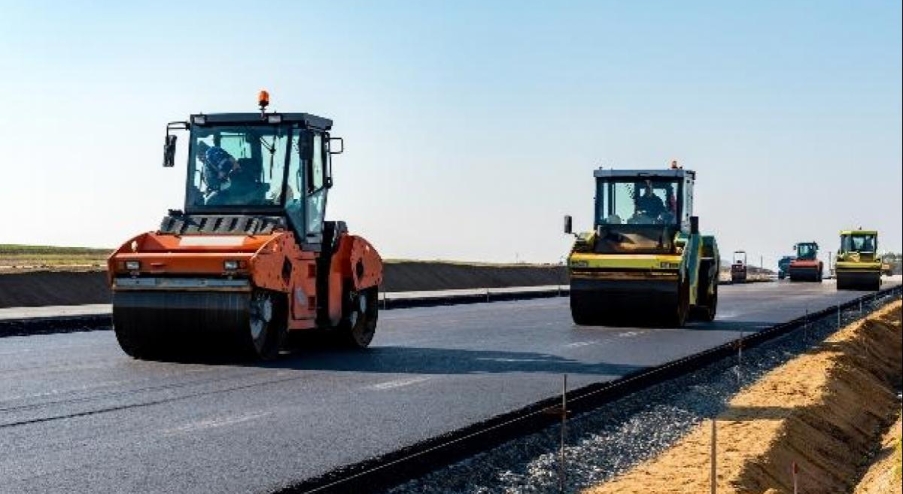
Road construction
Sand and gravel aggregates are used as paving materials in road construction, including the base and surface layers of roads. They are able to withstand heavy pressure and wear and tear from vehicle traffic.
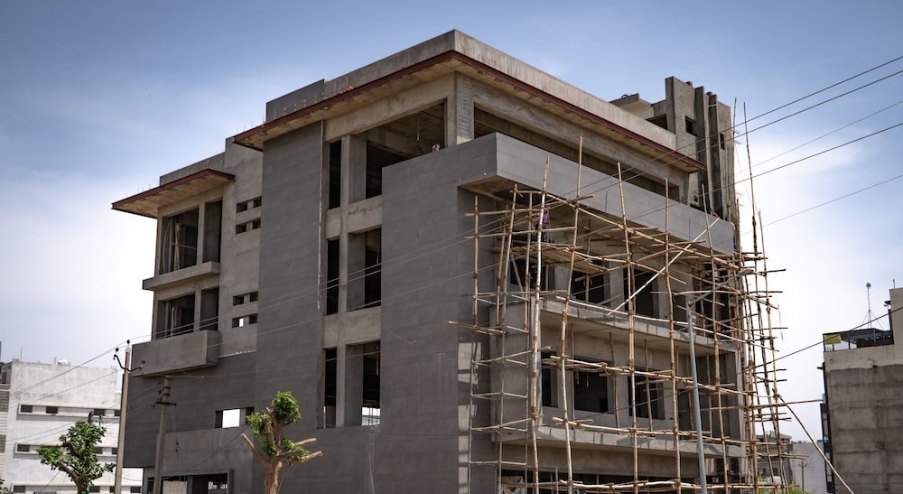
Building construction
In construction, sand and gravel aggregates are used in the manufacture of building materials such as blocks, prefabricated elements, bricks, and as part of the foundation, walls and roof of a building.
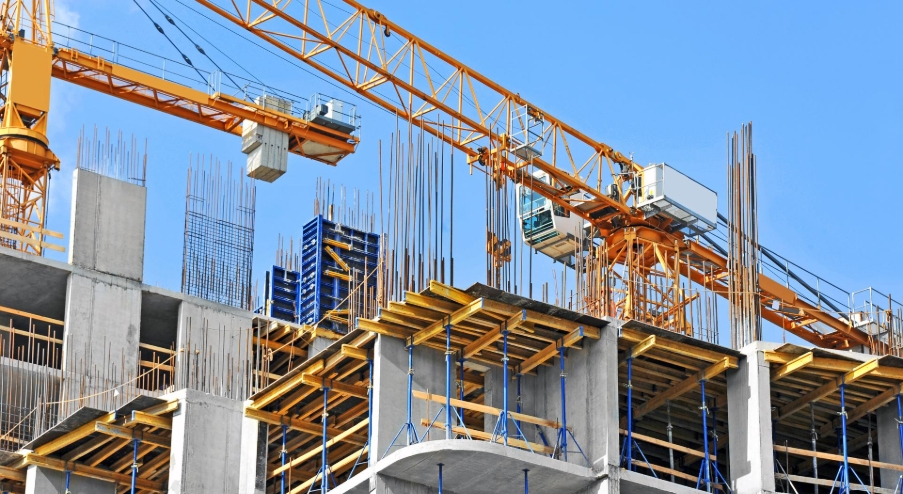
Infrastructure construction
Such as bridge construction and tunnel construction also require large quantities of sand and gravel aggregates as building materials.
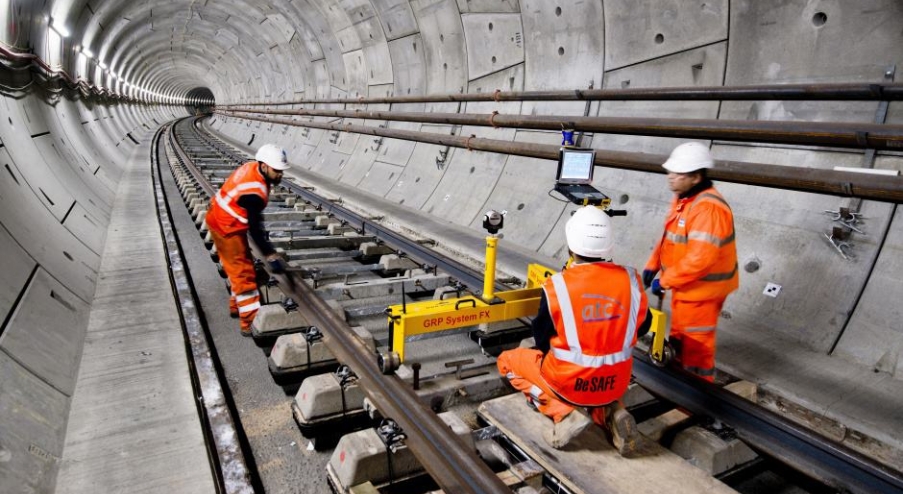
Railway engineering
Sand and gravel aggregates are often used for the bedding underneath railroad tracks, which helps to spread out the loads borne by the railroad tracks while providing stable support.
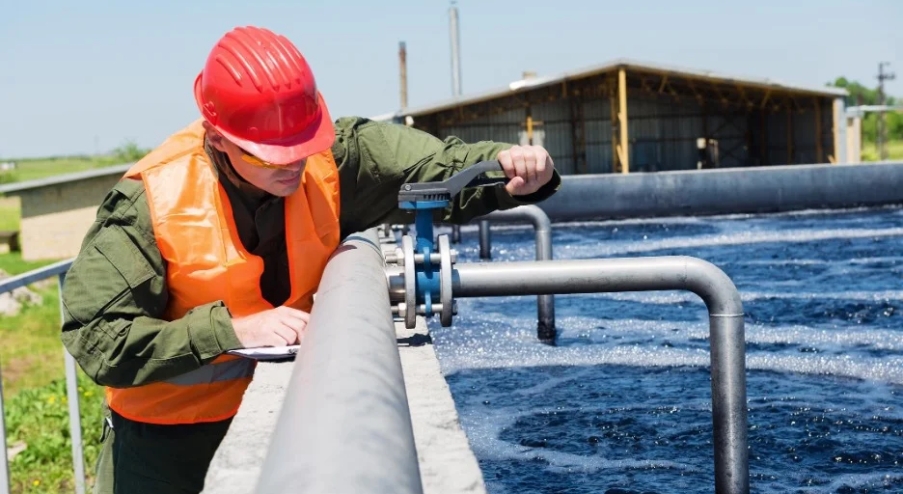
Water engineering
In the construction of dams, embankments, harbors and ports, sand and gravel aggregates are used as an important ingredient in concrete or for filling to increase the stability and durability of the structure.

Landscaping
Selected sand and gravel aggregates are widely used in outdoor landscaping, such as the decoration of sidewalks, courtyards, and flower beds, due to their natural color and texture.

Environmental Projects
Gravel aggregates are also used in certain environmental projects, such as as filtering materials in rainwater collection and filtration systems to help remove pollutants.
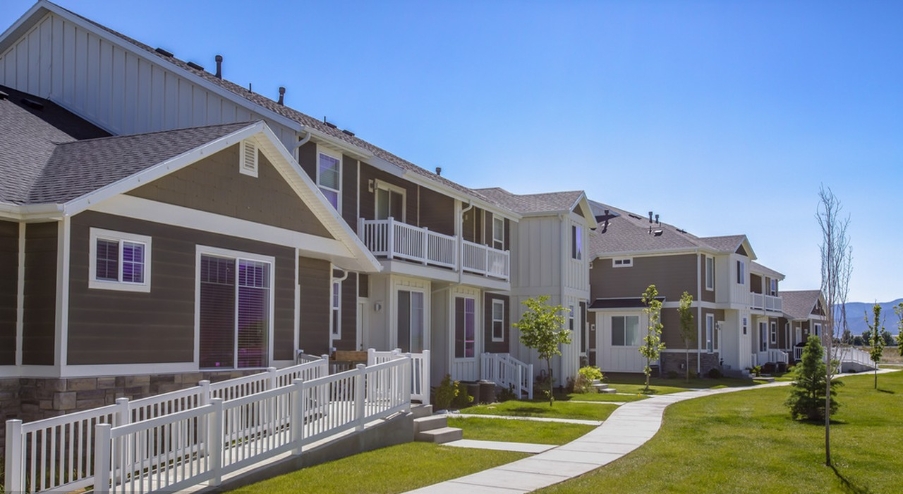
Decorative Use
Specific types of aggregates, such as colored gravel, can be used for indoor and outdoor decoration to provide a beautiful visual effect.
Your ability to cater to these diverse applications depends entirely on the flexibility and capability of your crushing and screening equipment.
Key Challenges Holding Back Your Sand & Aggregate Production
The demand for high-quality sand and aggregates continues to grow. However, many producers are still losing profit due to outdated equipment and inefficient crushing plant setups. If your operation relies on traditional crushing and screening systems, you may already be facing these hidden costs:
Inconsistent Product Quality = Lost Revenue
Unstable grading and poor particle shape make it difficult to meet strict specifications. The result? Rejected loads, price discounts, and dissatisfied customers.
Rising Operating Costs = Shrinking Margins
Older stone crushing machines consume more fuel, require frequent repairs, and are prone to unexpected breakdowns. Every hour of downtime directly impacts your bottom line.
Environmental Pressure = Increasing Compliance Costs
Stricter regulations on dust, noise, and water usage are no longer optional. Outdated crusher plants often struggle to comply, leading to costly retrofits, penalties, or even shutdown risks.
Limited Flexibility = Missed Opportunities
Rigid, stationary crushing plants can’t easily adapt to different materials or project requirements. This limits your ability to take on new contracts or scale your business when demand increases.
To overcome these challenges, it’s time to modernize your stone crusher plant, upgrading to efficient, flexible equipment and smarter process controls will improve product consistency, cut operating costs, ensure regulatory compliance, and give you the scalable capacity to win more and higher value contracts.
Why Modern Stone Crusher Plants are the Backbone of High-Quality Sand and Aggregate Production
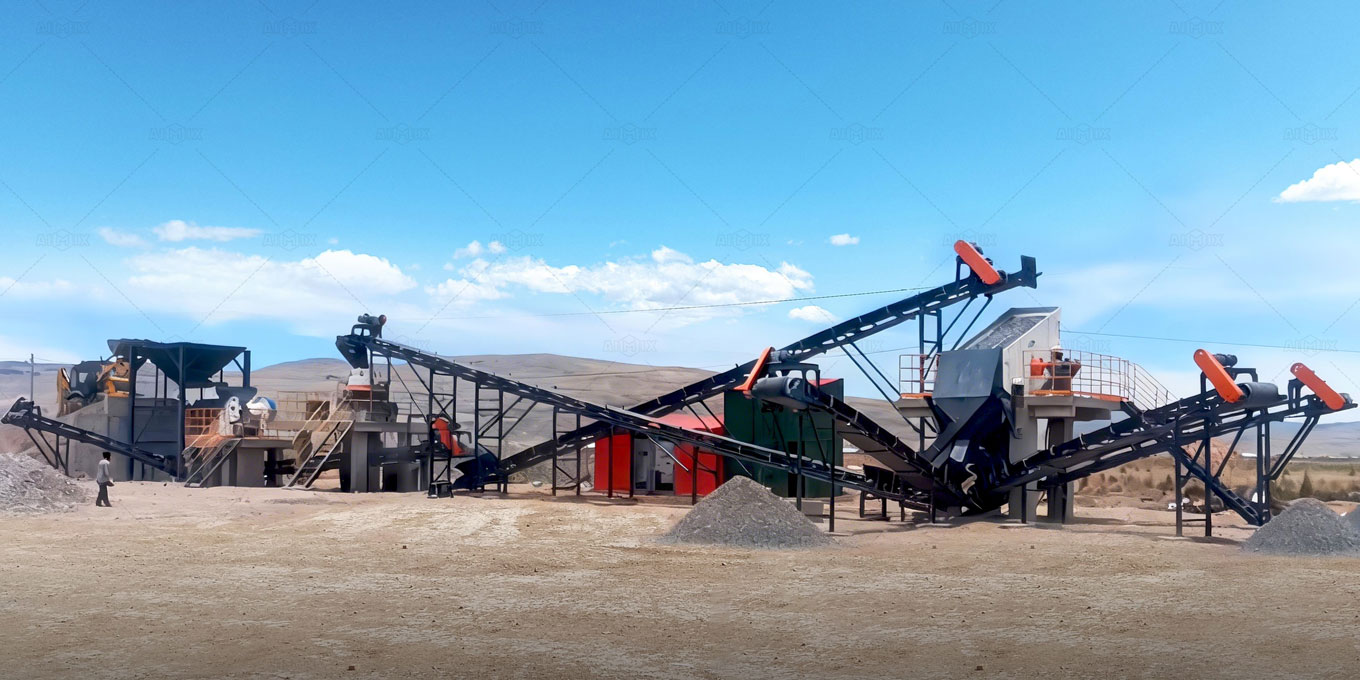
To stay competitive in today’s demanding market, you need an integrated processing solution. Modern stone crusher plants transform raw boulders into precise, high-value aggregates with greater efficiency, control, and consistency.
Improved Crushing Efficiency
-
Modern crushers feature optimized chamber designs combined with efficient material flow management to maximize output and stabilize product gradation. This results in higher throughput, more consistent particle-size distribution, fewer fines and oversize materials, and reduced reliance on secondary crushing. It ultimately enhances the quality and performance of downstream concrete and asphalt applications.
Flexible Configurations
-
Today’s crushing plants are designed for modularity and adaptability. Stationary, wheel-mounted, and track-mounted systems can be configured with crushers, vibrating screens, sand washers, and classifiers to suit different site conditions and feed materials. From compact mobile setups for small projects to multi-stage stationary crushing plants for large-scale quarries, the flexibility reduces installation time and ensures fast adjustments to changing material properties or production requirements.
Automation and Real-Time Control
-
Advanced PLC system integrated with real-time monitoring enables operators full visibility and control over production. Key metrics such as throughput, energy consumption, and equipment load can be tracked continuously. Automated parameter settings enable quick switching between product specifications, while predictive maintenance alerts help minimize downtime, improve safety, and extend equipment lifespan.
Cost and Energy Optimization
-
By improving chamber geometry, power transmission efficiency, and feed regulation, modern crushing equipment cuts specific energy consumption while maintaining capacity. Standardized spare parts and streamlined maintenance procedures reduce downtime and inventory costs. Intelligent scheduling can also shift production to low-tariff periods, lowering lifecycle cost per tonne.
Higher-Value End Products
-
Beyond operational efficiency, modern crusher plants directly enhance the value of your final products. Superior particle shape, precise grading, and reduced impurities enable the production of high-spec sand and aggregates that improve the strength and durability of concrete and asphalt. It not only expands application possibilities but also strengthens customer confidence and supports premium pricing.
Built-In Environmental Compliance
-
Environmental compliance is now a core requirement for sustainable operations. Modern crushing plants incorporate integrated dust suppression systems, low-noise design, and water recycling solutions to minimize environmental impact. These features help producers meet strict regulatory standards while reducing resource consumption and avoiding costly retrofits or operational disruptions.
Therefore, the modern stone crusher plants combine efficiency, flexibility, automation, and sustainability to deliver consistent, high-quality aggregates, helping producers stay competitive and profitable.
Must-have Equipment For The Sand And Aggregate Production Industry
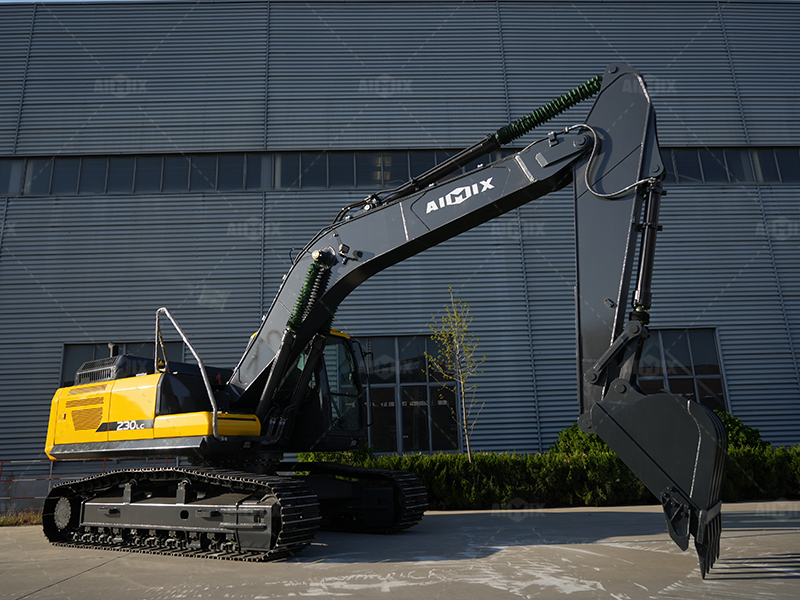
- Excavator: Mainly used for mining raw ore or ores on the surface or underground, and digging them out for subsequent processing or transportation.
- Loader: Used to load the excavated raw ore or ores onto transportation vehicles or conveyor belts for transportation or processing.
- Down-the-Hole (DTH) Drilling:The rigs use a hammer and drill bit to penetrate the earth. It is crucial for tasks such as blast hole drilling and exploratory drilling in mining.


- Primary Crushing: The jaw crusher handles large, hard boulders, reducing them to a manageable size. It ensures a stable and consistent feed for downstream processing.
- Secondary & Tertiary Crushing: Cone Crusher are best suited for hard and abrasive materials like granite and basalt. They deliver high capacity and well-graded, cubical aggregates. However, impact crusher is ideal for medium-hard materials such as limestone. They produce superior particle shape, making them suitable for high-quality concrete and asphalt applications.
- Sand Making: The VSI crusher is essential for producing manufactured sand. The VSI sand making machine uses rock-on-rock crushing to refine particle shape and generate fine, high-quality sand.
- Vibrating Screens: Screens separate crushed material into different size fractions (e.g., 0–5 mm, 5–10 mm, 10–20 mm). They ensure all final products meet required specifications.
- Sand Washing and Recycling: Sand washers remove clay, silt, and impurities to produce clean aggregates. Integrated recycling systems recover fine sand from wastewater, reducing material loss and improving environmental performance.

AIMIX Stone Crusher Plant: Reliable Solutions for Aggregate Producers
When you choose AIMIX, you’re partnering with a brand committed to your productivity, efficiency, and profitability. Our stone crusher plants are engineered to solve real-world challenges, delivering the perfect balance of power, precision, and practicality.

Wheeled-Mounted Mobile Crushing Solution
Models: APY4 (feed+crusher+crusher+screen); APY3 (feed+crusher+screen); APY2 (feed+crusher/crusher+screen)
Capacity: 50-400 tph
Benefits:
- Quick Setup and Deployment: The three-axis axle chassis design allows for quick movement and convenient relocation; Minimal groundwork is required, allowing operations to begin almost immediately after arrival on site, reducing downtime and improving project timelines.
- High Mobility with Road Transport Convenience: Easily transported using standard trucks, the mobile crushers are ideal for projects that require frequent relocation across long distances without complex logistics or special permits.
| 4 in 1 Mobile Crusher Plant - Wheeled Chassis Type | ||||
|---|---|---|---|---|
| Model | APY4-46J2512J-S3 | APY4-46J900C-S3 | APY4-57J110C-S3 | APY4-69J132C-S3 |
| Productivity(t/h) | 30 | 50 | 80 | 100-120 |
| Vibrating Feeder | ||||
| Model | APG-0824Z | APG-0824Z | APG-0930Z | APG-9538Z |
| Primary Stone Crusher | ||||
| Model | APJ-4060E | APJ-4060E | APJ-5075E | APJ-6090E |
| Type | Jaw crusher | Jaw crusher | Jaw crusher | Jaw crusher |
| Secondary Stone Crusher | ||||
| Type | Jaw crusher | Cone crusher | Cone crusher | Cone crusher |
| Model | APJ-2512X | APC-900Y | APC-110C | APC-132C |
| Vibrating Screen | ||||
| Model | APS-1548Y3 | APS-1548Y3 | APS-1848Y3 | APS-1848Y3 |
| Belt Conveyor | ||||
| Vehicle mounted belt conveyor | Yes | Yes | Yes | Yes |
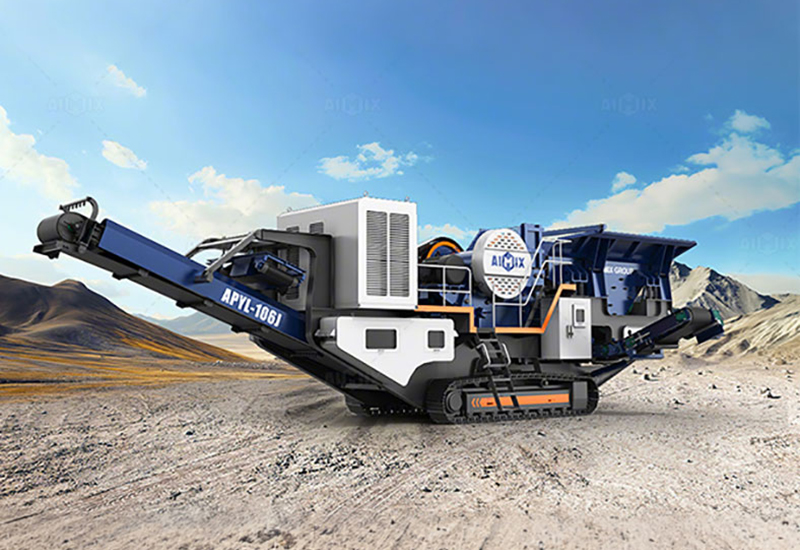
Crawler Crushing Solution
Models: : APYL series
Capacity: 50-400 tph
Benefits:
- Superior On-Site Mobility and Terrain Adaptability: It excels in challenging environments such as uneven, muddy, or rocky terrain. The tracked undercarriage enables stable movement directly within the worksite, eliminating the need for additional transport equipment.
- Reduced Material Handling Costs: By moving closer to the material source, track crushers minimize the need for hauling raw materials. This leads to lower fuel consumption, reduced labor costs, and improved overall cost efficiency.
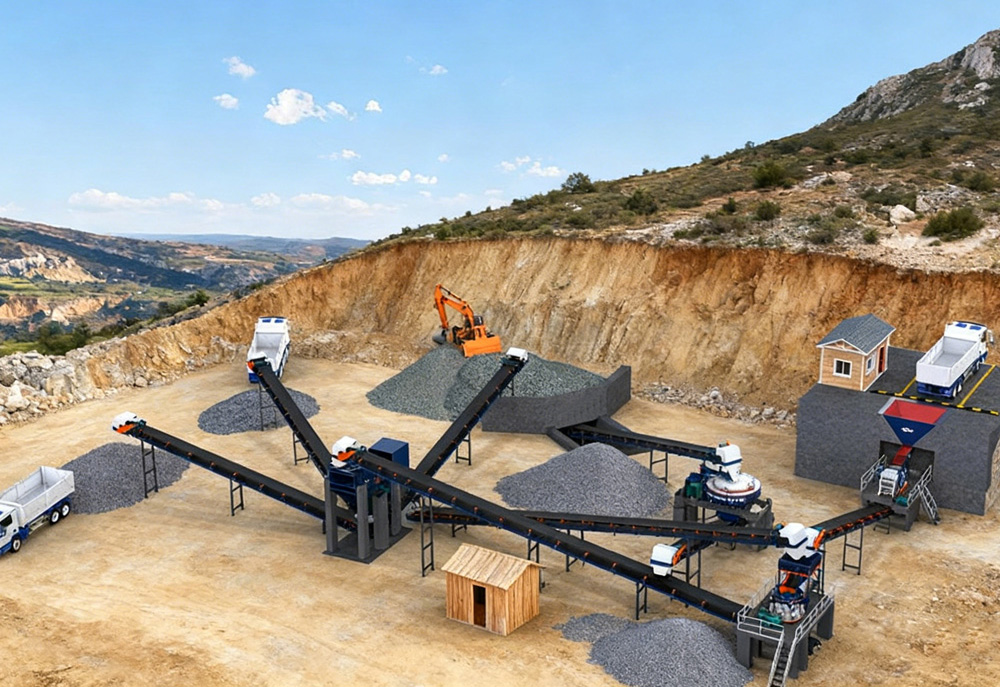
Stationary Stone Crushing Solution
Capacity: 50-1000 tph
Output Size: 0-5 / 5-10/ 10-20 / 20-40 mm, etc. Customized Output Size
Benefits:
- Smart & Simple Operation: The stone crushing plants can be centralized controlled, enabling easy monitoring, automated operation, and reduced manual dependency.
- Customizable and Stable Configuration: They can be tailored to specific production requirements, including multiple crushing stages and specialized equipment. The fixed setup ensures operational stability, reliability, and consistent product quality.
Real Applications: How AIMIX Equipment Supports Sand and Aggregate Production Projects
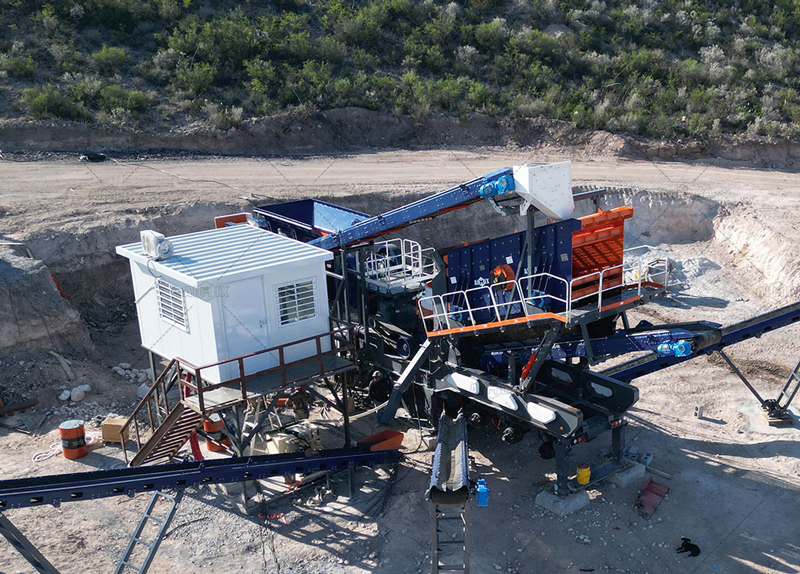
100 tph Wheeled Type Mobile Crushers in Mexico
- Material: River pebbles
- Equipment: Jaw Crusher + Cone Crusher
- Applications: High-quality sand, consistent grading, reliable supply for oversea aggregate market
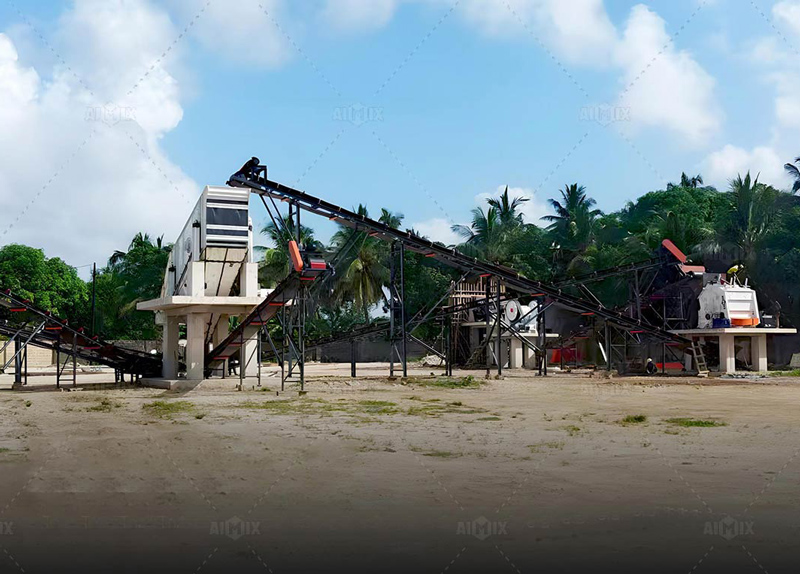
100 tph Rock Crushing Plant in Tanzania
- Material: Limestone
- Equipment: Jaw Crusher + Impact Crusher
- Applications: aggregates production used for road construction
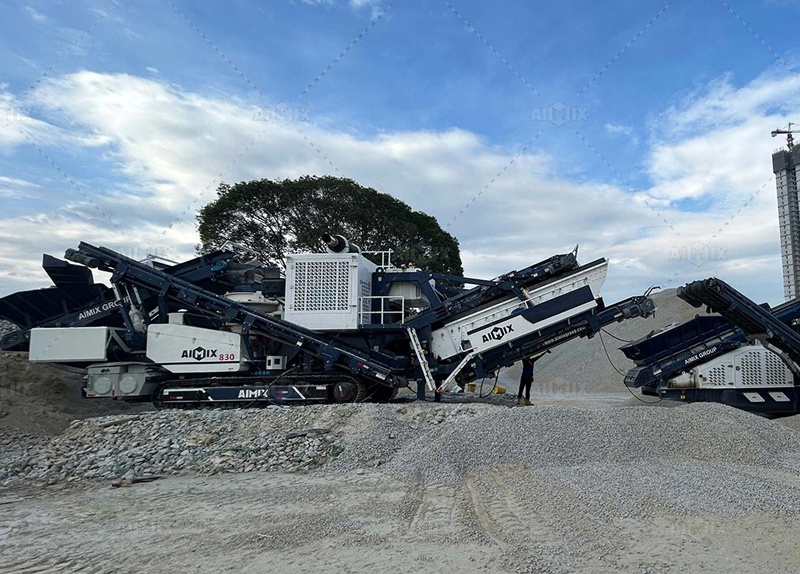
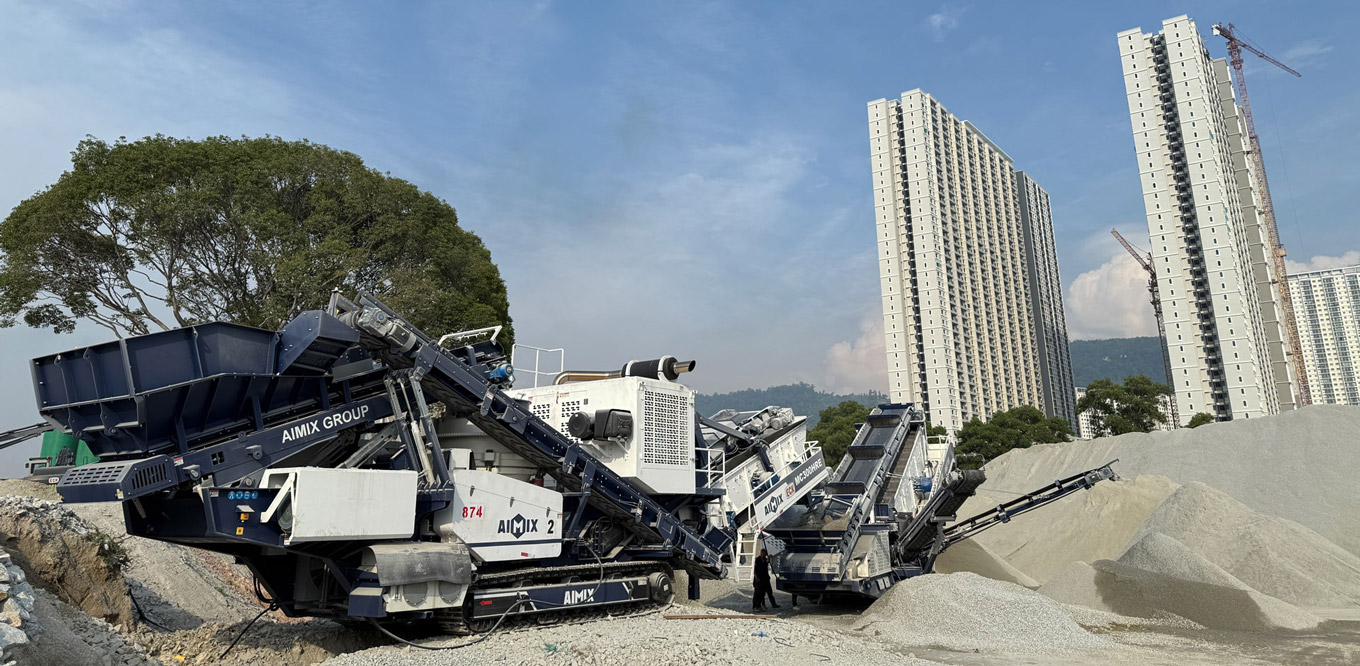
600 tph Crawler Crushing Plant in Malaysia
- Material: Cobblestones
- Equipment: Jaw Crusher + Cone Crusher + Screen
- Applications: sand and aggregates production used for highway construction
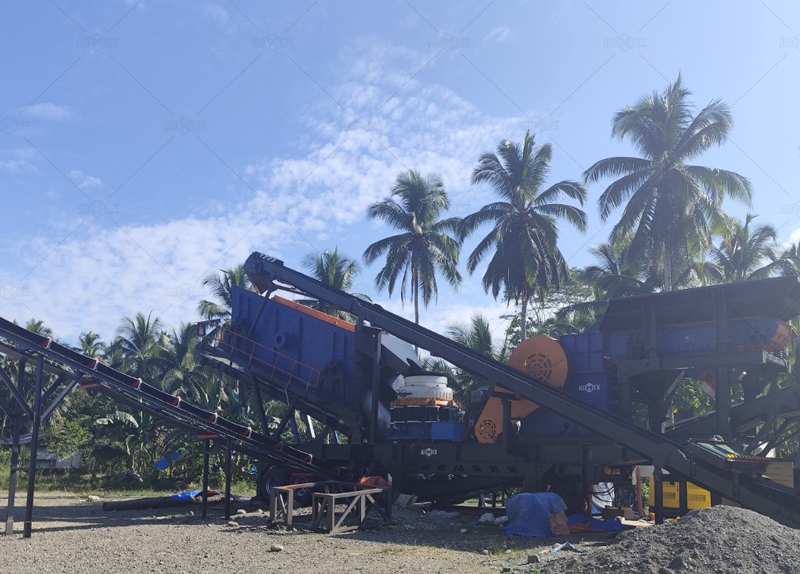
120 tph Wheeled Mounted Mobile Crusher in the Philippines
- Material: River Stone
- Equipment: Jaw Crusher + Cone Crusher + Screen
- Applications: local sand and aggregates sale business
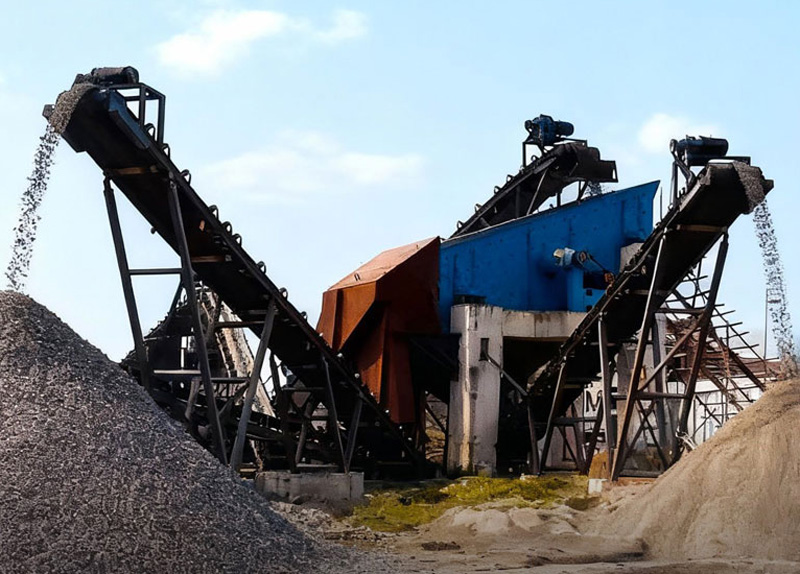
250tph Stationary Crushing Plant in Nigeria
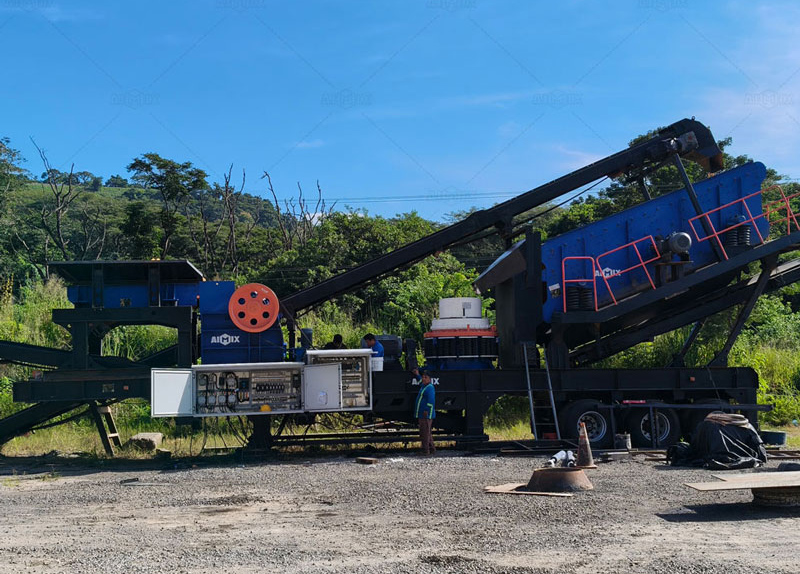
150tph Wheeled Type Mobile Crusher in El Salvador
- Material: Granite
- Equipment: Jaw Crusher + Cone Crusher + Screen
- Applications: Expand the scale of mining operations and increase aggregate production
Related Products – Broaden The Development Of Sand And Aggregate Industry
For many aggregate producers, the business model stops at the quarry gate: crush, screen, and sell. However, with rising costs and stiff competition, relying only on bulk sales limits your profit potential.
The most successful producers treat aggregates as raw ingredients for higher-value products rather than finished goods. By expanding into downstream offerings, you transform from a commodity supplier into a vertically integrated partner. This strategy captures more profit per ton, protects you from market swings, and builds a stronger, more competitive business.
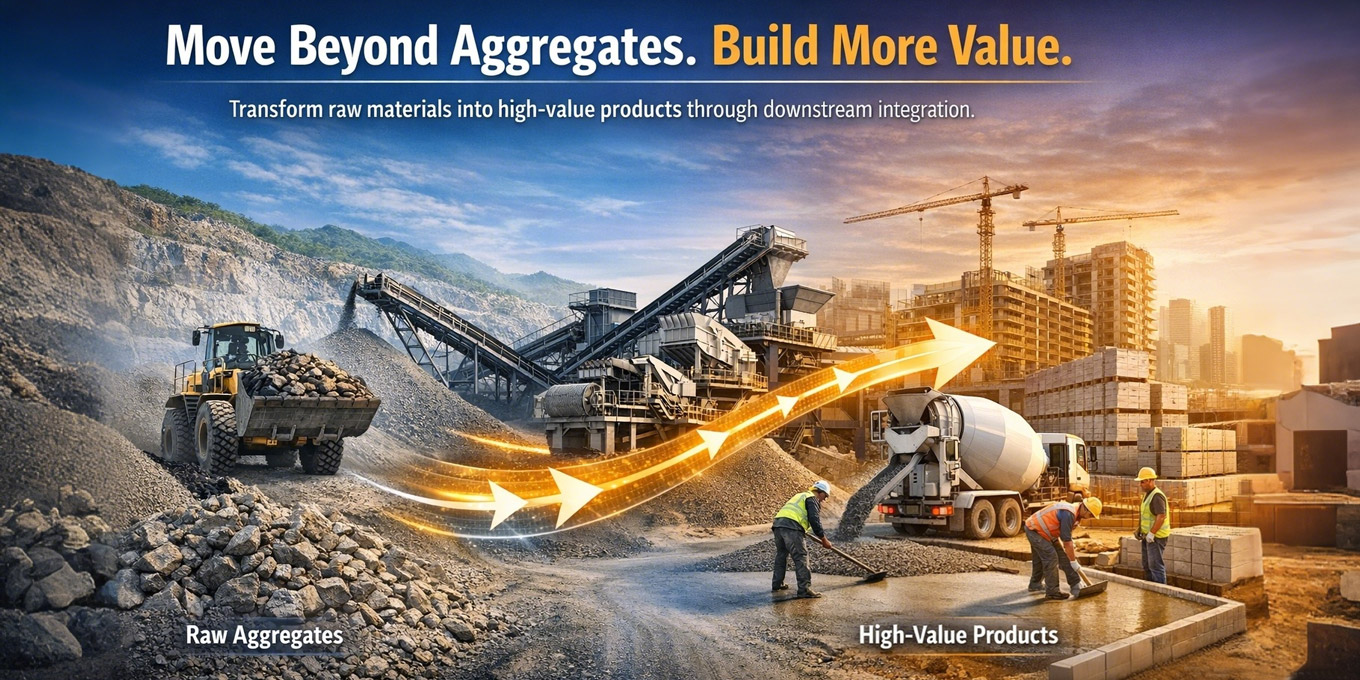
The Strategic Case for Downstream Integration
Before examining specific equipment, it is essential to understand why downstream expansion makes compelling business sense for aggregate producers.
Increase Profit Margins
Raw aggregate is a low-value commodity. By processing it into finished products, you capture significantly more value per ton. Instead of letting resellers take the profit, you retain those margins yourself.
Optimize Logistics
Transportation is expensive and often eats up 30–50% of your costs. By turning raw stone into finished products at or near your quarry, you “ship value” rather than weight, drastically reducing your logistics expenses.
Guarantee Your Own Demand
Vertical integration creates a built-in customer for your aggregates. Your crushing plant feeds your processing plant, ensuring your operations run at higher capacity and remain less dependent on fluctuating outside buyers.
Build Market Resilience
Selling only raw materials makes you vulnerable to market shifts. By offering a diverse range of products (aggregates, concrete, mortar), you spread your risk. If one construction sector slows down, your other product lines can help keep your business stable.
Core Downstream Equipment for Aggregates Producers
With the strategic rationale established, here are the key related products that enable aggregate producers to expand their business footprint.

Concrete Batching Plants – The Most Direct Value-Added Step
A concrete batching plant turns your aggregates into ready-mix concrete, capturing higher margins while securing demand for your materials.
- Aggregates Used: Coarse aggregates (10–20mm, 20–40mm) for strength + fine aggregates (0–5mm) for workability. Washed aggregates ensure durability.
- End Products: Ready-mix concrete for foundations, slabs, columns, and bridges.
- Why Integrate? Your stone crusher plant already produces the precise aggregates concrete needs. Adding a batching plant keeps margins in-house and gives you full quality control.

Asphalt Mixing Plants – Capitalizing on Road Infrastructure Demand
An asphalt mixing plant positions you as a direct supplier to road projects, using your aggregates to produce hot mix asphalt.
- Aggregates Used: Coarse aggregates (5–20mm) for stability + fine aggregates (0–5mm) for filler + mineral filler (0–0.075mm) as binder. Dry aggregates are essential.
- End Products: Base course, binder course, and wearing surface for roads and highways.
- Why Integrate? Asphalt plants consume all aggregate gradations, including fine filler that is hard to sell in bulk. Integration opens access to government road contracts.
How AIMIX Helps You Thrive in Competitive Markets
Choosing the right equipment is essential, but in a competitive market, success depends on how quickly and efficiently your rock crushing equipment reaches full operational capacity. AIMIX Group provides end-to-end support designed to reduce risk, shorten time to revenue, and optimize long-term operating costs.

Customized Plant Design: From Site Constraints to Operational Efficiency
Our engineering team begins with a detailed on-site assessment or client-supplied geological and topographic data. We analyze raw material characteristics, such as hardness, abrasiveness, moisture content, target product gradations, and local transportation logistics to design a plant layout that minimizes material handling distances and maximizes throughput.
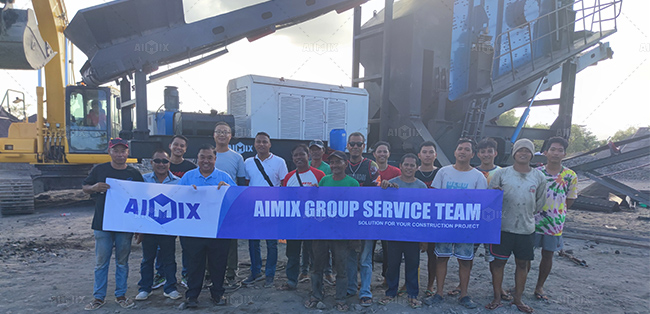
Comprehensive After-Sales Support: From Installation to Stable Operation
We provide structured installation guidance with step-by-step documentation, on-site commissioning engineers who verify system integration under load, and structured operator training that covers not only equipment operation but also routine inspection procedures, troubleshooting protocols, and safety practices.
Reliable Parts Supply: Minimizing Downtime with Precision Inventory Management
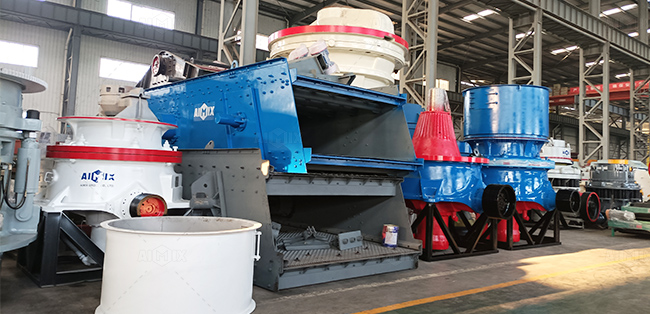
We understand that unplanned downtime directly impacts profitability. To address this, we maintain a strategically stocked inventory of high-wear components, including jaw plates, cone liners, blow bars, and screen media, based on client production volumes and material abrasiveness. For key components, we offer localized warehousing in major markets to reduce lead times to 24–48 hours for critical parts. Additionally, we provide wear life forecasts and proactive replenishment recommendations, helping you avoid last-minute sourcing delays that can extend stoppages from hours to days.
Responsive Technical Assistance: Solving Problems Before They Impact Production
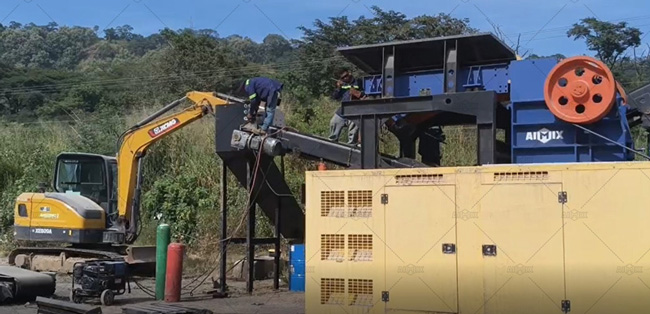
For remote locations, we offer vieo-assisted diagnostics, real-time data review, enabling our engineers to identify issues without waiting for on-site visits. When on-site maintenance service is required, we deploy engineers with pre-diagnosed fault information and the necessary spare parts in hand. They can resolve the majority of critical issues within 48 hours. This combination of remote capability and targeted on-site support ensures that operational challenges are addressed with minimal disruption to production schedules.
Build Your Success with AIMIX: Your Partner in Modern Sand and Aggregate Production
The sand and aggregate production industry stands at a pivotal moment. Demand is rising, quality expectations are higher than ever, and the shift toward automation and sustainability is reshaping the competitive landscape. For producers who are ready to embrace modern solutions, this moment represents not a challenge, but an unprecedented opportunity.
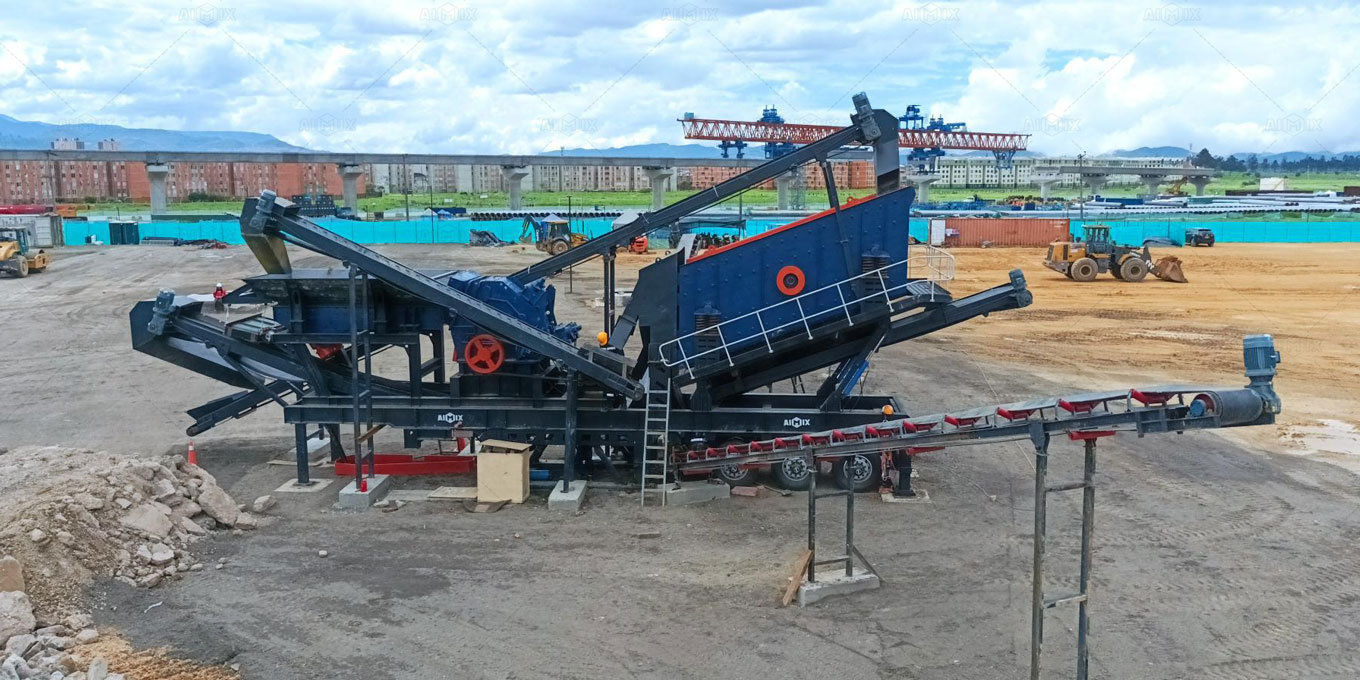
At AIMIX, we build partnerships. Our mission is to provide you with reliable, high-performance equipment backed by the expertise and support you need to thrive in today’s competitive environment. From customized plant designs to responsive after-sales service, we are committed to your success at every stage of your journey. Are you ready to take your aggregate production to the next level? Contact AIMIX now, and let us build a stronger future together.
