

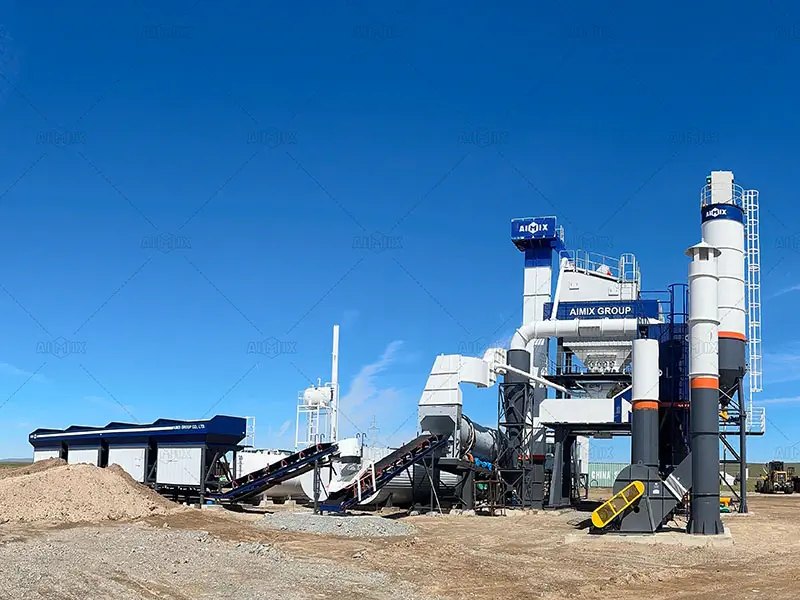
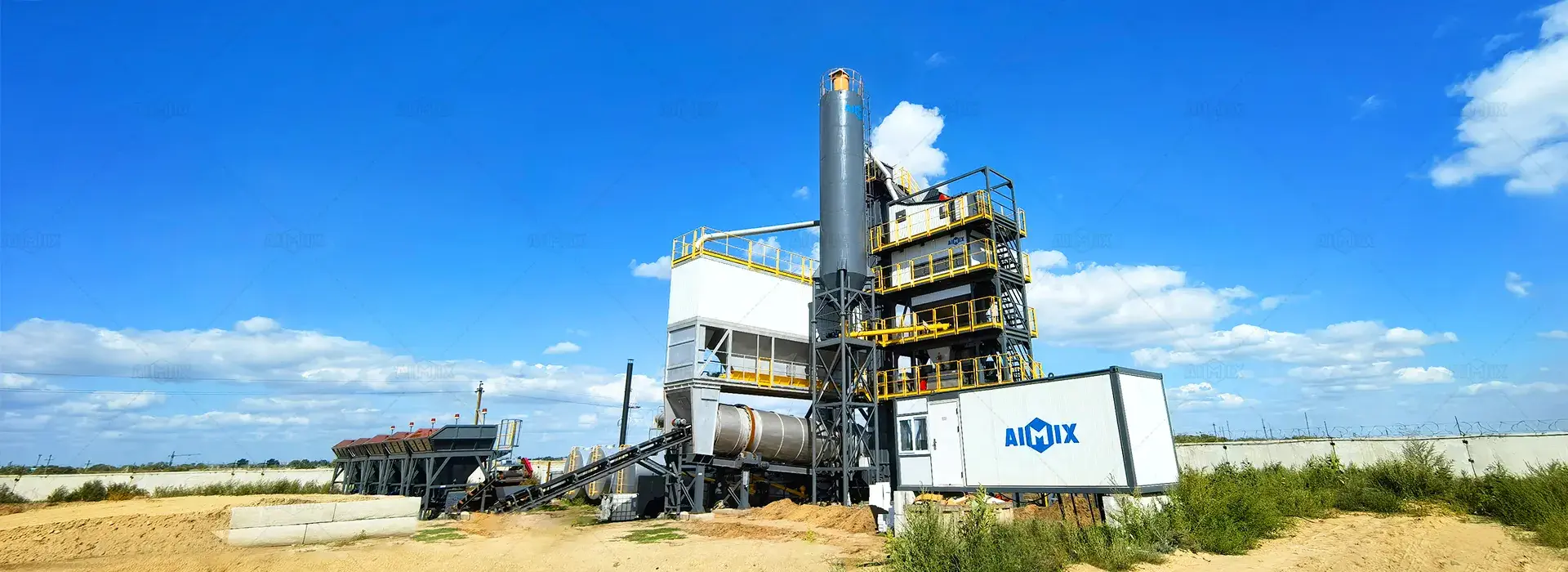
Worried about choosing the right asphalt mixing plant within your budget? How much is an asphalt mixing plant for sale? In 2026, asphalt plant prices typically range from $50,000 to over $1,000,000, depending on production capacity, plant type, configuration, and optional features. We will give you a clear overview of asphalt production plant prices, helping you understand the differences, see what affects the price, and choose the right asphalt plant that fits your project and budget.
 Save with Direct Factory Pricing
 Pick the Right Plant for Your Budget
 Confident Investment with Support
Learn about the Asphalt Plant Prices by Type & Capacity
Looking for the right asphalt mixing plant can be confusing. Asphalt plant equipment prices differ a lot depending on the type and capacity, and picking the wrong one can waste your money or slow down your project. This section helps you compare prices quickly and see which asphalt plant fits your project and budget, no matter where you are in the world.
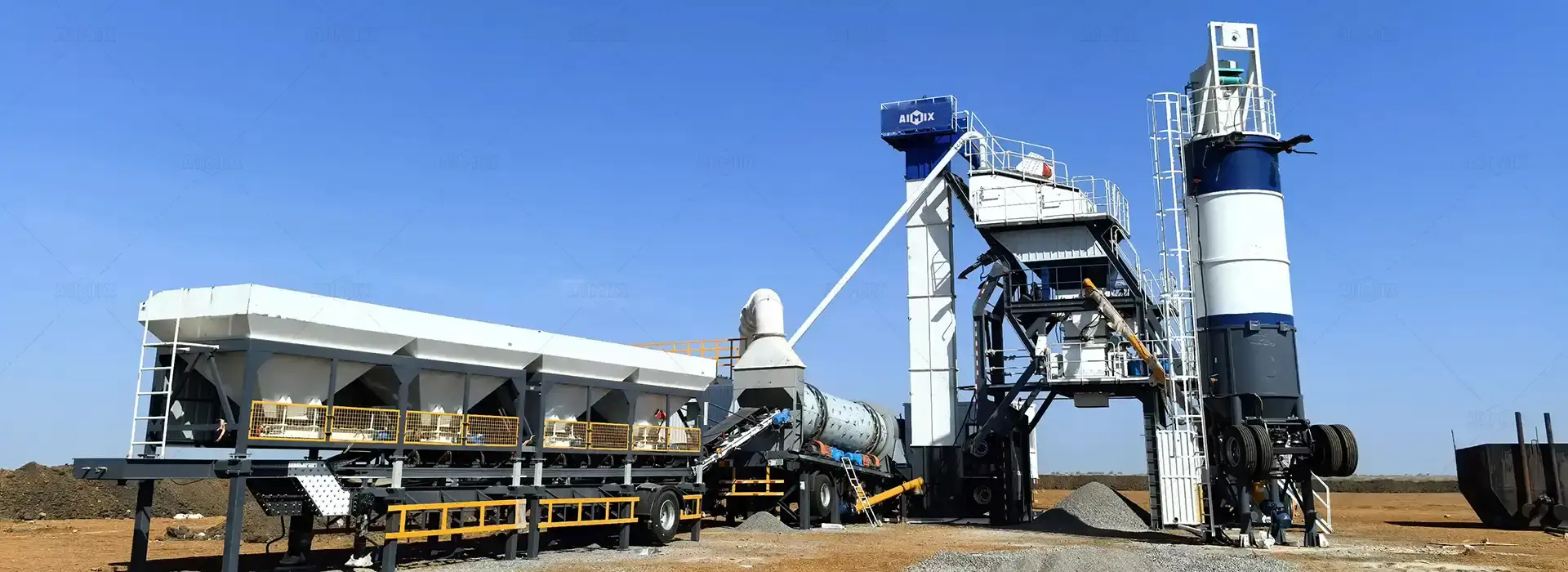
Quickly Check Asphalt Plant Prices by Type
Not all asphalt plants are created equal, and prices can change a lot depending on the type. In the following, you can compare small, mobile, and large drum or batch asphalt plants side by side, so it’s easy to see which type fits your project and budget without guesswork.
| Type | Price Range | Key Features | Best For |
|---|---|---|---|
| ALQ Series Stationary Batch Mix Asphalt Plant | $130,000–$1,000,000 | - Capacity: 40–320 t/h - Automation: 90% process automated - Weighing accuracy: ±0.5% aggregates, ±0.25% asphalt - Remote monitoring & predictive maintenance | Large, long-term road/bridge projects |
| ALYQ Series Mobile Batch Mix Asphalt Plant | $200,000–$600,000 | - Capacity: 60–160 t/h - Setup/relocation: 24h - Operators: 2 vs. 4 traditional - Productivity: +15%, +100 t/day | Mobile projects, urban construction, multi-site paving |
| ALT Series Stationary Drum Mix Asphalt Plant | $60,000–$200,000 | - Capacity: 20–100 t/h - Fixed installation, low initial cost - Heat efficiency: optimized drum, low loss - Setup: 1 month | Flat areas, county roads, multi-village networks |
| ALYT Series Mobile Drum Mix Asphalt Plant | $50,000–$200,000 | - Capacity: 20–100 t/h - Relocation: 3–5 days - Terrain: hills/mountains - Low center-of-gravity design | Mountain roads, bridge connections, quick-setup projects |
Asphalt Plant Prices by Capacity – See Costs at a Glance
Choosing the wrong asphalt plant capacity can cost you thousands in wasted investment or slow down your project. Every project has a different production need, and prices change with TPH. Here, you can quickly compare asphalt plant prices by capacity and find the right size for your budget and project requirements.
| Capacity (TPH) | Typical Price (USD) | Best For / Application |
|---|---|---|
| 20–60 | $50,000 – $270,000 | Small road and local projects |
| 80–120 | $210,000 – $450,000 | Municipal and city roads |
| 160–200 | $560,000 – $710,000 | Highways and regional roads |
| 200–320 | $710,000 – $1,000,000 | Large-scale infrastructure projects |
Now that you’ve seen how asphalt plant prices near me vary by type and capacity, the next question is: why do similar plants come with very different price tags across suppliers? Understanding the market gap is key to making a smarter investment—let’s take a closer look at how our prices compare globally and what truly sets them apart.
How Our Asphalt Plant Prices Compare to the Market Globally?
When comparing asphalt plant prices, you may notice significant differences between suppliers. While some offers look cheaper upfront, the total value can vary widely depending on configuration, quality, and long-term performance.
Typical Market Comparison
| Factor | Lower-Priced Suppliers | Our Solution |
|---|---|---|
| Initial Price | 10%–30% lower upfront | Market-aligned pricing with full configuration |
| Configuration | 20%–40% components simplified or optional | 100% clearly defined, no hidden reductions |
| Automation Level | 40%–60% manual operation | Up to 90%+ automation, fewer human errors |
| Operating Cost | +15%–30% higher (fuel & labor) | Reduced by 10%–25% through optimization |
| Durability | 300,000–500,000 tons lifespan | Designed for 1,000,000+ tons output |
| After-Sales Support | 3–7 days response delay | 24–48h response, global support network |
What This Means for You
- A lower price may mean higher fuel, labor, and maintenance costs later.
- A slightly higher price can deliver better efficiency and lower cost per ton.
- The real comparison is not price alone, but total return on your investment.
Price differences across the global market are not just numbers—they reflect real variations in design, configuration, and long-term performance. Some options may look significantly more affordable at first glance, but the reasons behind those lower prices are not always obvious. Let’s break down what’s really driving these 20%–40% price gaps.
Why Some Asphalt Plants Are 20%–40% Cheaper
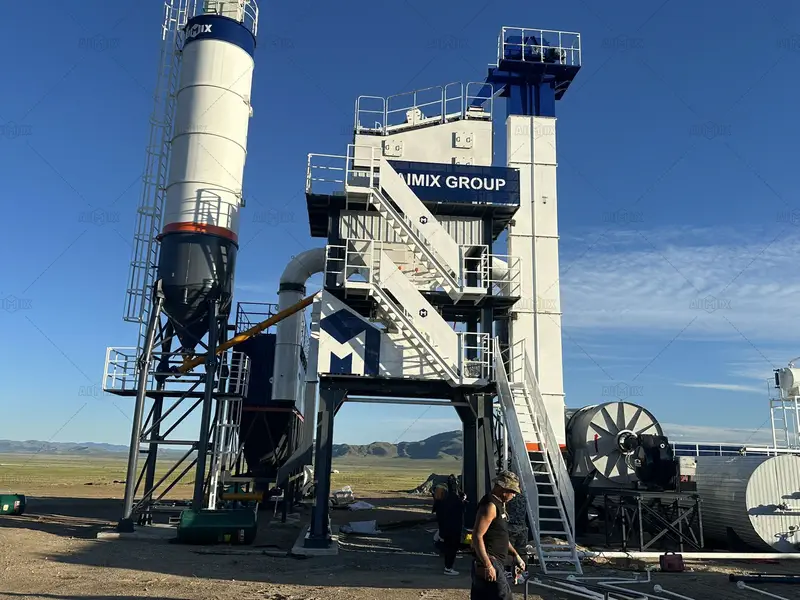
If you find asphalt plants that are significantly cheaper, the difference is usually not just about pricing strategy—it often comes from what is not included, not optimized, or reduced in configuration. Understanding these differences can help you avoid unexpected costs and performance issues in the long run.
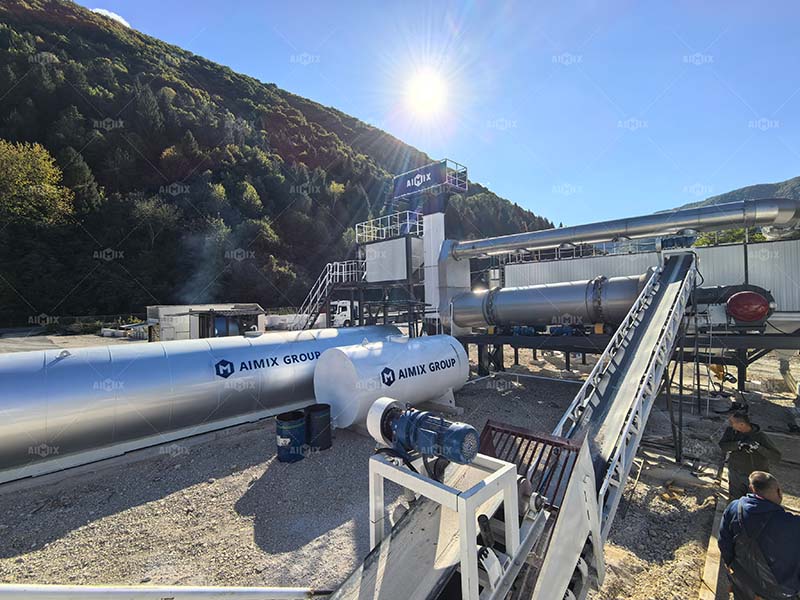
Reduced Configuration
Key components such as burners, control systems, or dust collectors are often simplified or offered as optional upgrades. While this lowers the initial price, it can lead to unstable performance, limited functionality, and additional investment later.
Lower Automation Level
Cheaper plants typically rely more on manual operation. This not only increases labor requirements by 30%–50%, but also makes it harder to maintain consistent asphalt quality, especially in long-duration or high-standard projects.
Higher Fuel Consumption
Without optimized drying drums and efficient heating systems, fuel utilization is significantly lower. This can increase daily fuel costs by 10%–30%, which quickly offsets any savings from the initial purchase price.
Shorter Service Life
Lower-grade materials and less durable structural design can lead to faster wear of key components. As a result, major parts may require replacement much earlier, increasing maintenance frequency and long-term operating costs.
Understanding why some asphalt plants are cheaper is only part of the picture. The more important question is: what are you actually paying for when you choose a higher-quality solution? Let’s take a closer look at what makes our asphalt plants truly worth the price—and how that translates into real value for your project.
Why Our Asphalt Plants Are Worth the Price?
Choosing an asphalt plant is a significant investment, and prices vary based on capacity, features, and flexibility. With so many options, it’s natural to ask: “Is this price really worth it?” Here, we break down the value of each asphalt plant type, so you can see why our asphalt plants deliver reliable performance, efficiency, and long-term savings for your projects.
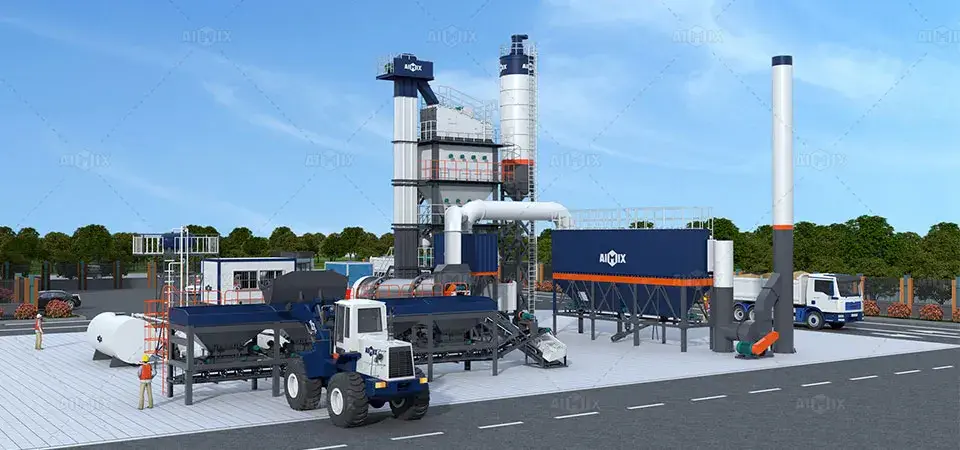
ALQ: Stationary Asphalt Batch Plant
- Price Range: $130,000–$1,000,000
- Production Capacity: 40-400 t/h
- Mixing Cycle: 45s
- Asphalt Temperature: 140-180 ℃
- Dust filter: Gravity/Cyclone/Bag/Water dust filter
- Applications: Mainly used for major highway and bridge construction projects.
- Why Worth its Price: 90%+ automation (less labor), ±0.25% precision (less waste), +15% productivity (more output), 20–30% less downtime, 1M+ tons durability (lower lifetime cost).
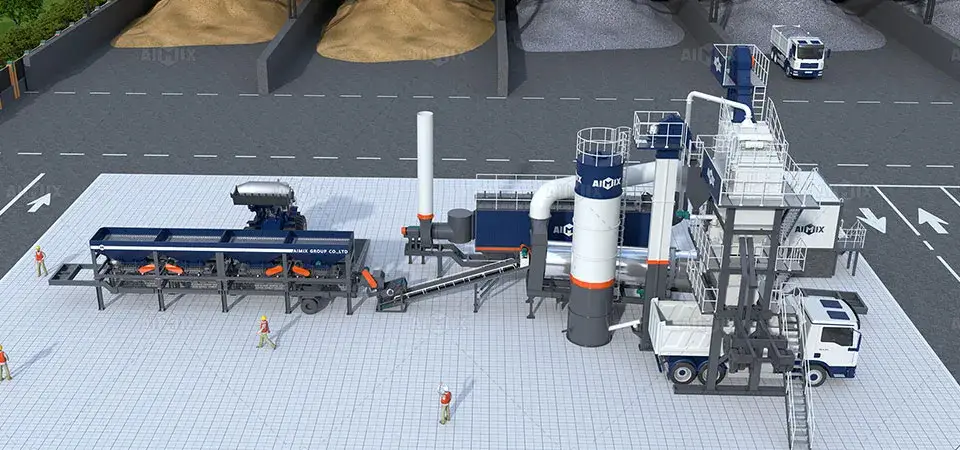
ALYQ: Batch type Mobile Asphalt Plant
- Price Range: $200,000–$600,000
- Production Capacity: 40-160 t/h
- Mixing Cycle: 45s
- Asphalt Temperature: 120-180 ℃
- Dust filter: Gravity/Cyclone/Bag/Water dust filter
- Applications: for road repairs, municipal maintenance, and short-term projects.
- Why Worth its Price: 24h relocation (zero foundation cost), 50% less labor, +15% productivity (100+ tons/day extra), ±1% smart weighing (less waste), 5-year wear parts life & 2000h maintenance-free (lower operating cost).
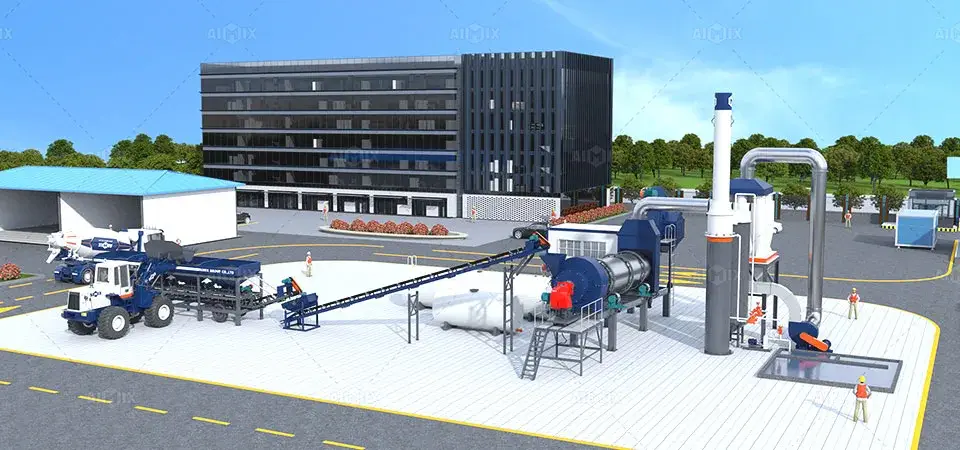
ALT: Drum type Stationary Asphalt Plant
- Price Range: $60,000–$200,000
- Production Capacity: 20-100 t/h
- Asphalt Temperature: 120-180 ℃
- Asphalt Tank Capacity: 10t to 35t
- Finished Asphalt Storage Bin: 3-9 tons
- Dust filter: Bag/Water dust filter
- Applications: Used in county road construction and rural road maintenance.
- Why Worth its Price: Lower initial investment, efficient heat exchange (less fuel cost), stable continuous output for long-term projects, best for fixed sites despite ~1 month relocation time (higher relocation cost but lowest cost per ton).
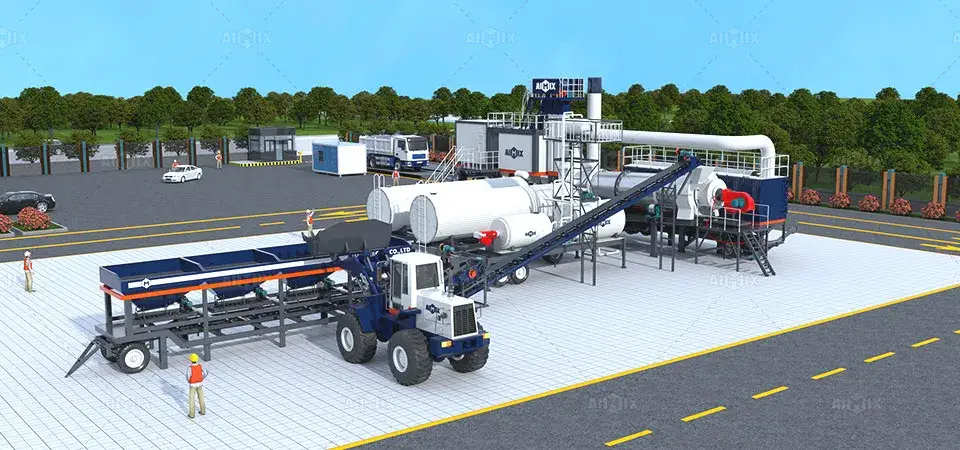
ALYT: Mobile Drum Mix Plant
- Price Range: $50,000–$200,000
- Production Capacity: 20-120 t/h
- Asphalt Temperature: 120-180 ℃
- Dust filter: Bag/Water dust filter
- Cold Aggregate Feeding Capacity: 3.5m³ – 6.5m³
- Finished Asphalt Storage Bin Capacity: 2m³ – 7m³
- Applications: Used in large construction sites and rapid highway repair projects.
- Why Worth its Price: 3–5 day fast relocation (low transfer cost), modular design (easy transport), no-tower structure for complex terrain, ideal for remote projects with lower overall project cost despite slightly higher upfront investment.
So, what exactly supports this value in real terms? It ultimately comes down to the technical details behind the plant. From capacity and configuration to core system specifications, these parameters directly shape both performance and price. Let’s break them down so you can see what you’re truly investing in.
Asphalt Mixing Plant Technical Parameters – A Guide to Pricing and Specifications
The technical parameters of an asphalt mixing plant, such as production capacity, power consumption, and material usage, are key factors that influence its price. By understanding these parameters, you can better assess the asphalt plant’s performance and choose the most suitable option for your project. Below, we’ve outlined the essential specifications to help you find the best asphalt mixing plant within your budget.
ALQ Series Stationary Asphalt Batch Plant Specification
| Model | ALQ40 | ALQ60 | ALQ80 | ALQ100 | ALQ120 | ALQ160 | ALQ200 | ALQ240 | ALQ320 |
|---|---|---|---|---|---|---|---|---|---|
| Capacity | 40 t/h | 60 t/h | 80 t/h | 100 t/h | 120 t/h | 160 t/h | 200 t/h | 240 t/h | 320 t/h |
| Cold Aggregate Hoppers | 4×4.5m³ | 4×6.5m³ | 4×7.5m³ | 4×7.5m³ | 5×7.5m³ | 5×12m³ | 5×12m³ | 5×12m³ | 6×15m³ |
| Dryer Size | φ1.2m×5.2m | φ1.5m×6m | φ1.5m×6.7m | φ1.65m×7m | φ1.8m×8m | φ2.2m×9m | φ2.6m×9m | φ2.6m×9.5m | φ2.8m×10.2m |
| Fuel consumption | 70-300kg / h | 100-400kg / h | 120-600kg / h | 150-1000kg / h | 150-1000kg / h | 150-1400kg / h | 180-1800kg / h | 180-1800kg / h | 260-2500kg / h |
| Vibrating Screen (Layer) | 4 layers | 4 layers | 4 layers | 4 layers | 5 layers | 5 layers | 5 layers | 5 layers | 6 layers |
| Mixer Capacity | 500kg | 800kg | 1000kg | 1250kg | 1500kg | 2000kg | 2500kg | 3000kg | 4000kg |
| Cycle Time | 45s | 45s | 45s | 45s | 45s | 45s | 45s | 45s | 45s |
| Filter Area | 230m² | 300m² | 420m² | 480m² | 550m² | 650m² | 700m² | 1050m² | 1350m² |
| Asphalt Temperature | 140-180 ℃ | 140-180 ℃ | 140-180 ℃ | 140-180 ℃ | 140-180 ℃ | 140-180 ℃ | 140-180 ℃ | 140-180 ℃ | 140-180 ℃ |
| Total Power | 170kw | 200kw | 300kw | 350kw | 380kw | 490kw | 550kw | 670kw | 865kw |
ALYQ Series Mobile Asphalt Batch Plant Specification
| Model | ALYQ60 | ALYQ80 | ALYQ100 | ALYQ120 | ALYQ160 | |
|---|---|---|---|---|---|---|
| Capacity | t / h | 60 | 80 | 100 | 120 | 160 |
| Mixer capacity | kg | 800 | 1200 | 1300 | 1700 | 2200 |
| Mixing cycle | s | 45 | 45 | 45 | 45 | 45 |
| Total power | Gasoline(kW) | 54 | 63.5 | 104.5 | 125 | 157.5 |
| Coal(kW) | 75 | 86.5 | 127.5 | 169 | 205 | |
| filter area | m2 | 370 | 420 | 480 | 510 | 620 |
ALT Series Stationary Asphalt Drum Mix Plant Specification
| Courts Models | ALT20 | ALT40 | ALT60 | ALT80 | ALT100 |
|---|---|---|---|---|---|
| Capacity | 20 t/h | 45 t/h | 60 t/h | 80 t/h | 100 t/h |
| The ability to | 40kw | 75kw | 120kw | 165kw | 200kw |
| Cold Aggregate Hoppers | 3.5m³×1 | 4m³×4 | 4m³×4 | 6.5m³×4 | 6.5m³×4 |
| Finished Product Hopper | 3t | 3t | 7t | 7t | 9t |
| Asphalt Temperature | 120-180 ℃ | ||||
| Fuel consumption | 13-15kg/t | ||||
| Asphalt Tank | 10 t | 20 t | 30 t | 30 t | 35 t |
| Control room | 2.2m | 2.2m | 3m | 3m | 3.5m |
| Option | Bag dust filter | ||||
ALYT Series Mobile Asphalt Drum Mix Plant Specification
| Model | ALYT20 | ALYT40 | ALYT60 | ALYT80 | ALYT100 | ALYT120 |
|---|---|---|---|---|---|---|
| Output | 20t/h | 45t/h | 60t/h | 80t/h | 100t/h | 120t/h |
| Power | 34kw | 65kw | 105kw | 135kw | 170kw | 200KW |
| Cold Aggregate Feeding System | 3.5m³×1 | 4m³×4 | 4m³×4 | 6.5m³×4 | 6.5m³×4 | 6.5m³×4 |
| Finihsed Asphalt Storage Bin | 2m³ | 2.5m³ | 4.5m³ | 5m³ | 7m³ | 7m³ |
| Asphalt Temperature | 120-180℃ | 120-180℃ | 120-180℃ | 120-180℃ | 120-180℃ | 120-180℃ |
| Fuel Consumption(Fuel Oil) | 5-7.5kg/t | 5-7.5kg/t | 5-7.5kg/t | 5-7.5kg/t | 5-7.5kg/t | 5-7.5kg/t |
| Fuel Consumption(Burning Coal) | 13-15kg/t | 13-15kg/t | 13-15kg/t | 13-15kg/t | 13-15kg/t | 13-15kg/t |
| Asphalt Tank | 10t | 20t | 30t | 30t | 35t | 35t |
| Option | bag dust collector / water dust collector | bag dust collector / water dust collector | bag dust collector / water dust collector | bag dust collector / water dust collector | bag dust collector / water dust collector | bag dust collector / water dust collector |
| Whole Plant Option | whole mobile / semi-mobile / fixed | whole mobile / semi-mobile / fixed | whole mobile / semi-mobile / fixed | whole mobile / semi-mobile / fixed | whole mobile / semi-mobile / fixed | whole mobile / semi-mobile / fixed |
You’ve seen the key technical parameters—but not all of them impact price equally. Some drive major cost changes, while others have minimal effect. So, what are the real factors behind the final asphalt mix plant price? Let’s take a closer look.
What Really Drives Asphalt Plant Prices?
Asphalt plant prices don’t vary randomly—each price difference is tied to specific technical and operational factors. Even a small change in configuration can lead to a 10%–50% price variation. Here’s a clearer breakdown of what truly affects your investment:
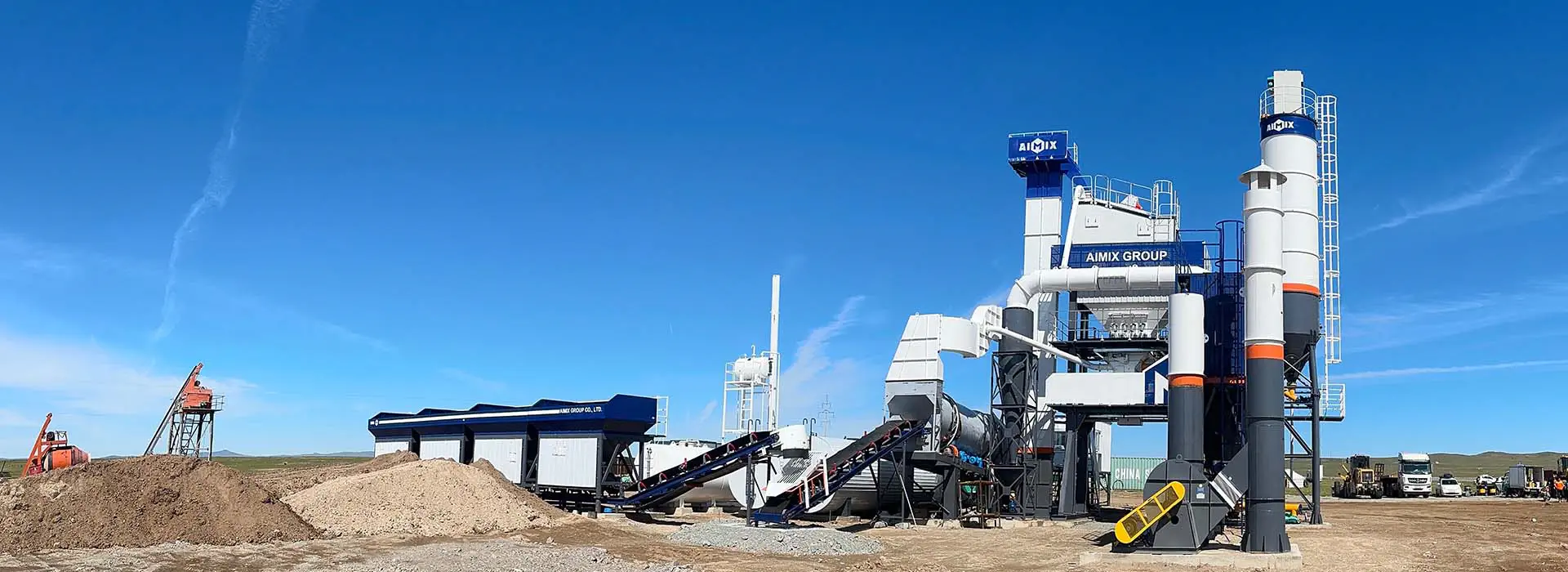
Capacity: The Primary Price Driver (Up to 60% Impact)
Production capacity (TPH) is the most direct factor affecting price.
40–80 TPH → Entry-level projects, lowest investment.
100–160 TPH → Balanced choice for municipal roads.
200–320 TPH → Large-scale infrastructure, highest cost.
👉 Increasing capacity can raise total price by 20%–60%, but oversizing may lead to 30%+ idle capacity waste
Technology Level: Efficiency vs Cost (15%–40% Price Gap)
Advanced systems significantly affect pricing but also long-term returns.
Basic control → Lower cost, more manual work.
Fully automated system → +15%–25% upfront, but
Reduce labor by 30%–50%, Improve efficiency by 10%–20%.
Environmental systems (dust removal, noise control) → +10%–20% cost.
👉 Higher specs = higher price, but lower cost per ton over time
Equipment Quality: Short vs Long-Term Cost (20%+ Difference)
Material quality and structural design directly impact durability.
Lower-grade components → lifespan 300k–500k tons.
High-quality systems → 1,000,000+ tons output.
👉 A 20% cheaper plant may lead to 30%+ higher maintenance costs.
Services & Support: Hidden Value (5%–15% of Total Cost)
Many buyers overlook this—but it directly affects project risk.
Basic suppliers → limited support, delayed response (3–7 days).
Full-service providers → installation, training, fast support (24–48h).
👉 Good support can reduce downtime by 20%–40%.
Transportation & Installation: Underestimated (5%–20%)
Logistics and setup costs vary significantly depending on plant type and location.
Stationary plants → higher foundation & installation cost.
Mobile plants → save 5%–15% in civil work, faster setup.
Remote areas → transport cost may increase by 10%–25%.
👉 Poor planning here often leads to unexpected budget overruns.
Energy: Hidden Cost Lever (10%–30% Lifecycle Impact)
Coal / heavy oil systems → Lower upfront cost, but higher emissions.
Diesel systems → Higher fuel cost, but more flexible and easier to deploy.
Gas (LNG) systems → +10%–20% initial cost, but
Reduce fuel cost by 15%–30%, Improve combustion efficiency by 10%+.
Lower emissions, easier to meet environmental regulations.
👉 Fuel choice can create a 20%+ difference in total operating cost over time.
Understanding what influences asphalt mix plant price is important—but making the right choice is what really saves money. So, how do you balance cost, performance, and long-term value to get the most out of your investment? Let’s look at the practical ways to secure a cost-effective asphalt mixing plant.
How to Obtain Cost-Effective Asphalt Mixing Plant Price
-
Choose the Right Asphalt Plant
Select a model that fits your project needs to avoid unnecessary costs. Evaluate options from multiple manufacturers to find the best match. This can save up to 20% on the initial investment by reducing resource wastage and improving project efficiency. Get to know how to choose an asphalt plant here.
-
Select Quality Components
High-quality asphalt plant components ensure long-term efficient operation, reducing maintenance costs and unnecessary downtime. Therefore, these parts can reduce long-term operating costs by 30%. Look for brands with proven track records for reliability.
-
Compare Multiple Suppliers
Contact at least 3-5 suppliers to get competitive quotes. Comparing prices and services can help you secure 15-25% savings. Ensure you check warranties, delivery times, and service commitments as part of your comparison.
-
Consider Total Lifecycle Costs
Don’t just focus on the initial price; consider the total lifecycle costs, including transportation, installation, fuel consumption, and maintenance. Energy-efficient models can save up to 50% in long-term costs by reducing operational expenses.
-
Seek Discounts and Promotions
Suppliers sometimes offer discounts and promotions, especially during specific periods or clearance sales. Take advantage of discounts during key periods like Christmas, Ramadan, or other sales events. By purchasing during these promotions, you could save 5-15% off the standard price.
-
Evaluate Long-Term Investment Value
High-quality plants have higher upfront costs but can save up to 40% over their lifetime due to lower repair costs, higher fuel efficiency, and fewer replacements. Assessing long-term value can make your investment more cost-effective.
-
Negotiate with Suppliers
Don’t settle for the first offer. Negotiate for better payment terms, discounts, or additional services, potentially saving 5-10%. Strong supplier relationships often lead to better deals and favorable terms.
-
Precise Operation and Regular Maintenance
Proper use and routine maintenance can extend the plant’s life by 15-20% and reduce the need for costly repairs. Regular upkeep also helps avoid project delays and lowers unexpected repair costs, saving up to 25% on long-term expenses.
Getting a cost-effective price is a smart start—but the purchase price is only part of your total budget. To avoid surprises and plan accurately, it’s important to look at the full investment behind an asphalt plant. So, what does the total cost really include? Let’s break it down.
What Is the Total Investment Cost of an Asphalt Plant?
Buying an asphalt plant is more than just the equipment price. To avoid hidden costs and budget overruns, you need to consider the total investment, which typically includes:
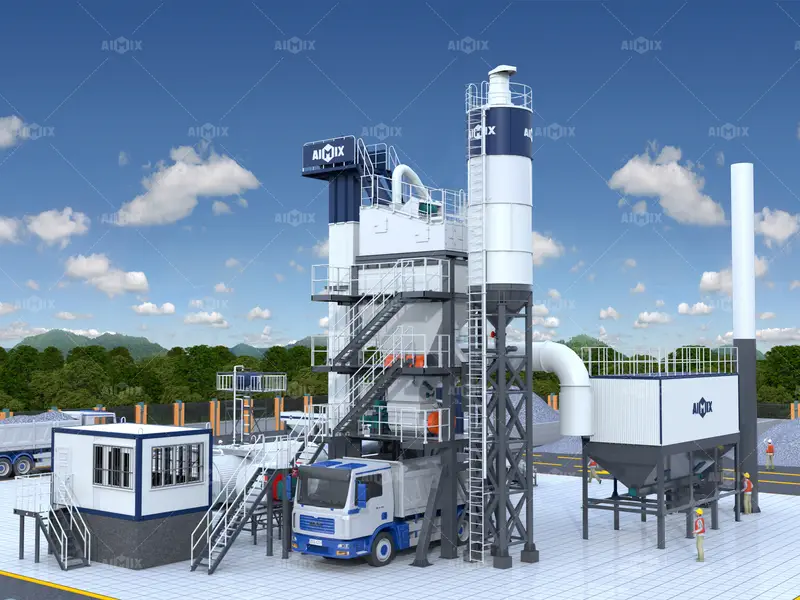
- Asphalt Plant Price: $50,000 – $1,000,000+ depending on type and capacity.
- Foundation & Installation: 5%–15% of asphalt plant cost (mobile asphalt plants can save this).
- Transportation: $5,000 – $50,000 depending on distance and configuration.
- Labor & Operation: 2–4 operators, reduced by up to 50% with automation.
- Fuel & Power Consumption: accounts for 20%–30% of operating cost.
- Maintenance & Wear Parts: 3%–8% annually.
👉 Key Insight: A lower upfront price doesn’t always mean lower total cost—efficiency, mobility, and durability can significantly reduce long-term expenses.
Knowing the full investment is only the first step—the real advantage comes from how you manage it. With multiple cost components involved, where can you optimize and cut expenses without sacrificing performance? Let’s explore the key ways to reduce your asphalt plant investment cost.
How to Reduce Your Asphalt Plant Investment Cost
Controlling your asphalt plant budget is not just about choosing the lowest price—it’s about making smarter decisions across equipment selection, setup, and long-term operation. A well-planned investment can significantly reduce both upfront and lifetime costs.
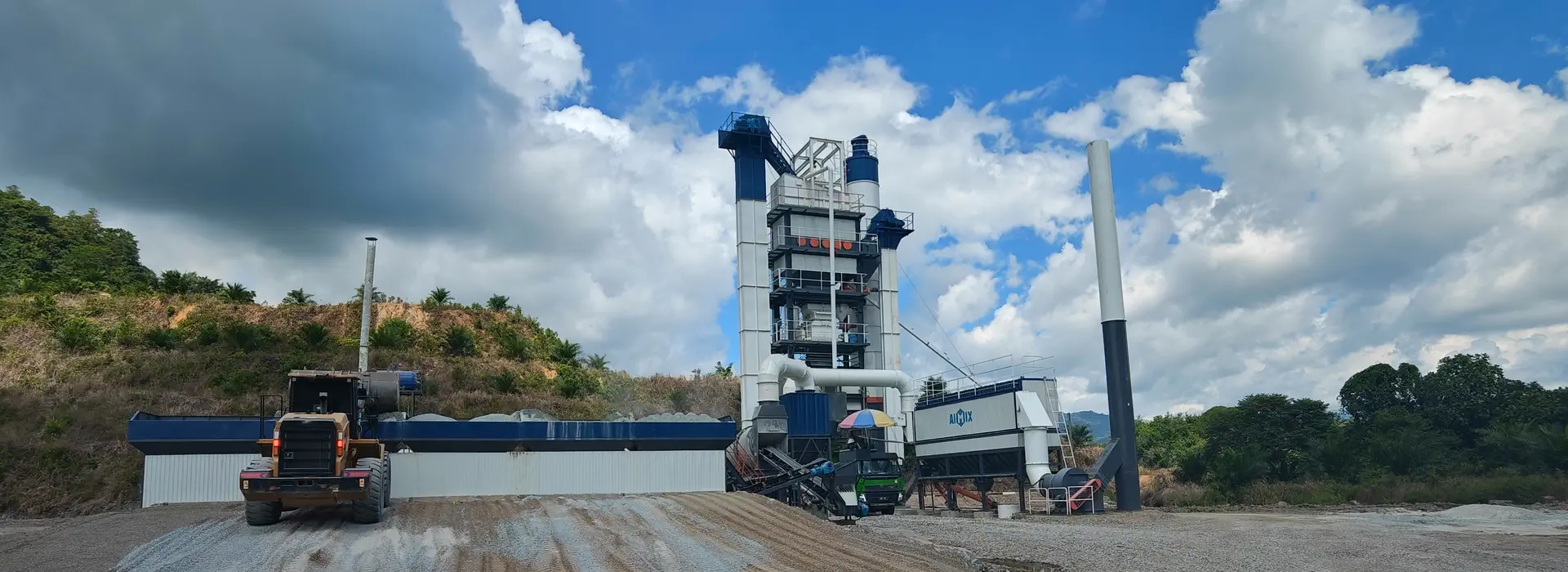

Match Capacity to Real Demand
Avoid oversizing or underutilization; selecting the right capacity can reduce initial investment by 15%–30% while ensuring stable production.

Consider Mobile Solutions
Mobile asphalt mix plants eliminate complex foundation work and shorten installation time, helping save 5%–15% in setup and civil costs.

Optimize Fuel Usage
High-efficiency drying and heating systems improve thermal utilization, reducing fuel consumption by 10%–20% per day.

Use Automation to Reduce Labor
Advanced control systems minimize manual intervention, cutting labor requirements by 30%–50% and improving consistency.

Focus on Long-Term Durability
High-quality components and optimized structure design extend service life, reducing maintenance and replacement costs by 20%+.
Reducing costs is important—but choosing the right supplier is what ensures those savings actually last. With so many manufacturers offering different price levels, how do you identify one that truly delivers value, not just a lower quote? Let’s find out how to choose a reliable asphalt mixing plant manufacturer.
How to Choose a Reliable Asphalt Mixing Plant Manufacturer – Price Matters!
Choosing a reliable asphalt mixing plant manufacturer is not just about finding the lowest quote—it’s about securing consistent performance, fair pricing, and long-term value. With options ranging from $50,000 to $1,000,000, knowing what to compare can make the difference between a risky purchase and a smart investment.
Compare Prices & Value
Large or small asphalt mixing plant prices range from $50,000 to $1,000,000. Compare multiple manufacturers to find the best balance between cost and performance.
Check Customization Options
A good manufacturer offers customized designs to fit your budget and project needs, optimizing efficiency without unnecessary costs.
Assess Quality & Certifications
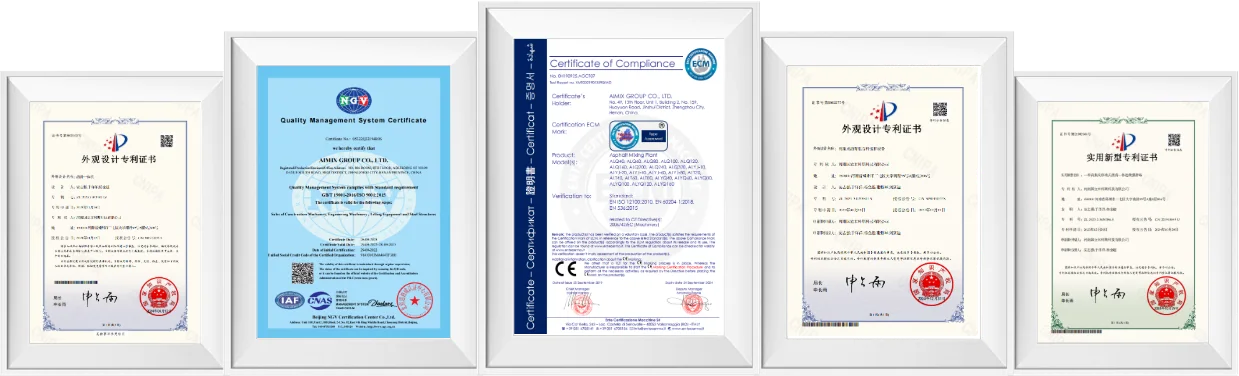
Look for ISO & CE-certified manufacturers. High-quality plants may cost more upfront but save on maintenance and energy in the long run.
Evaluate Production Facilities
Visit factories when possible. A well-equipped asphalt mixing plant ensures stable quality and long-term cost savings.
Verify Reputation & References
Request at least 3 customer references to confirm product performance, pricing fairness, and after-sales service.
Consider After-Sales Support
Choose a manufacturer with a 1-2 year warranty, 24/7 technical support, and readily available spare parts to reduce downtime costs.

- In fact, all of the above will be closely related to the price and cost effectiveness of your investment in an asphalt mixing plant.
- While price is an important factor, it should not be the only criteria for choosing an asphalt plant manufacturer.
- Compare the prices offered by different manufacturers, but also consider the quality, reliability and after-sales support offered.
- Choose a manufacturer that offers a good balance between price and value. So how does AIMIX do it?
What We Can Do for you?
Choosing the right partner in the asphalt mixing equipment industry is crucial. As a leading asphalt plant supplier, we is committed to providing comprehensive solutions and excellent service to our customers. Whether you’re a novice investor or an experienced industry expert, we offer professional support to help you succeed in your projects. Here are the seven core services we provide:
Solution Provide & Contract Sign
Monitoring the Production Process
Test Running to Ensure Proper Operation
Timely Customer Service For You
AIMIX Asphalt Plant Factory Visits
On-site Guidance and Operator Training
Spare Parts and Consumables Supply

Solution Communication and Contract Signing
Upon receiving a customer’s inquiry, our sales manager will promptly contact the customer via email, WhatsApp, WeChat, or Skype. We will create detailed quotations, proposals, and contracts based on the customer’s needs, ensuring clarity on every detail.

Monitoring the Production Process to Ensure Quality Control
We produce asphalt mixing plants directly for users, with a transparent production process. The materials used are inspected and verified in the market, ensuring the asphalt plant meets the highest quality standards.

Test Running to Ensure Proper Operation
Before shipping, we conduct comprehensive test runs to ensure the equipment performs consistently both in our factory and at the customer’s site, guaranteeing smooth operation upon delivery.

Timely Customer Service
AIMIX promises 24/7 online customer support. No matter what stage you are in, we will answer your questions in detail and ensure they are resolved promptly.

Factory Visits
Customers can choose to visit our factory and company either online or offline, allowing them to inspect our production process and product quality, making informed comparisons on the price and performance of our asphalt mixing plants.

On-site Engineer Guidance and Operator Training
We dispatch experienced engineers and operators to the customer’s site, providing free training to local personnel until they can skillfully operate and maintain the hot mix plant, ensuring project success.

Spare Parts and Consumables Supply
We maintain ample spare parts inventory and can quickly arrange for parts shipment when needed, ensuring continuous equipment operation and minimizing downtime.
Selecting a reliable manufacturer sets the foundation—but the real measure of a smart investment is the return it generates over time. Understanding how your asphalt plant performs financially will give you a clearer basis for decision-making. Here’s how the ROI comes into play.
Asphalt Mixing Plant ROI Analysis
When considering investment in an asphalt mixing plant, understanding its ROI and economic benefits is crucial. Therefore, based on our customer’s experience, we will take 160 ton asphalt batch plant for reference only. Let’s delve into these key advantages to assist you in making informed investment decisions. (The data is possibly fictional and provided for reference purposes only based on actual circumstances.)
Equipment Investment
- If the 160 ton Asphalt Mixing Plant is about $500,000.
- Loader, weighbridge, and transport vehicles,equipment foundation, crane rental, office setup and so on. Costs are totally about $420,600.
- Total equipment investment = $920,600
Production Net Profit (Per Ton)
- Material and Operating Costs: These include costs for mineral powder, sand, aggregate, 70# asphalt, electricity, mechanical depreciation, labor, and office expenses. Total cost is about $45.29 per ton.
- Selling Price: Approximately $57 per ton.
- Net Profit: About $11.71 per ton.
Monthly Net Income
- Monthly Output: Approximately 11,264 tons.
- Net Profit per Ton: $11.71.
- Monthly Net Income: Around $131,950.
Investment Payback Period
(Production cost and overall asphalt plant costs may vary by region and market conditions. The above data is for reference only.)
ROI tells you how the numbers work—but real projects show how it performs in practice. Across different countries and job sites, these plants are already delivering value and reliability. Here’s a look at how customers worldwide are putting them to work.
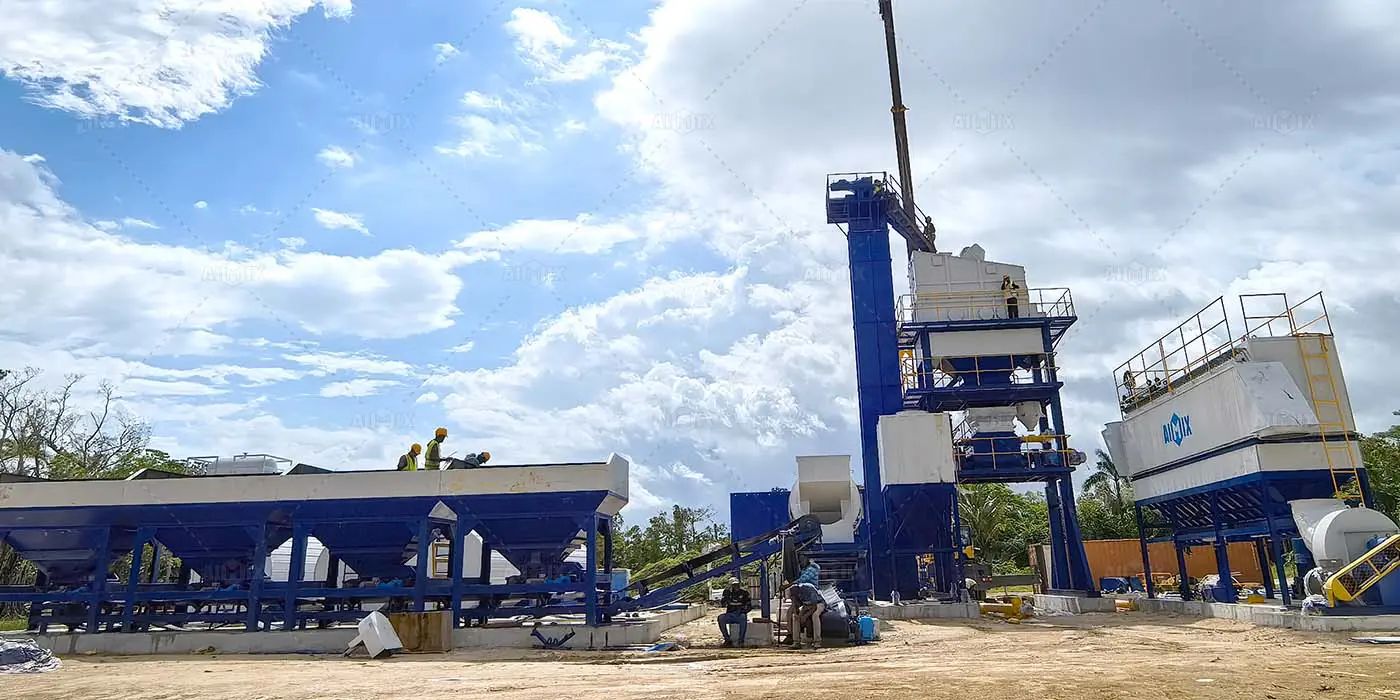
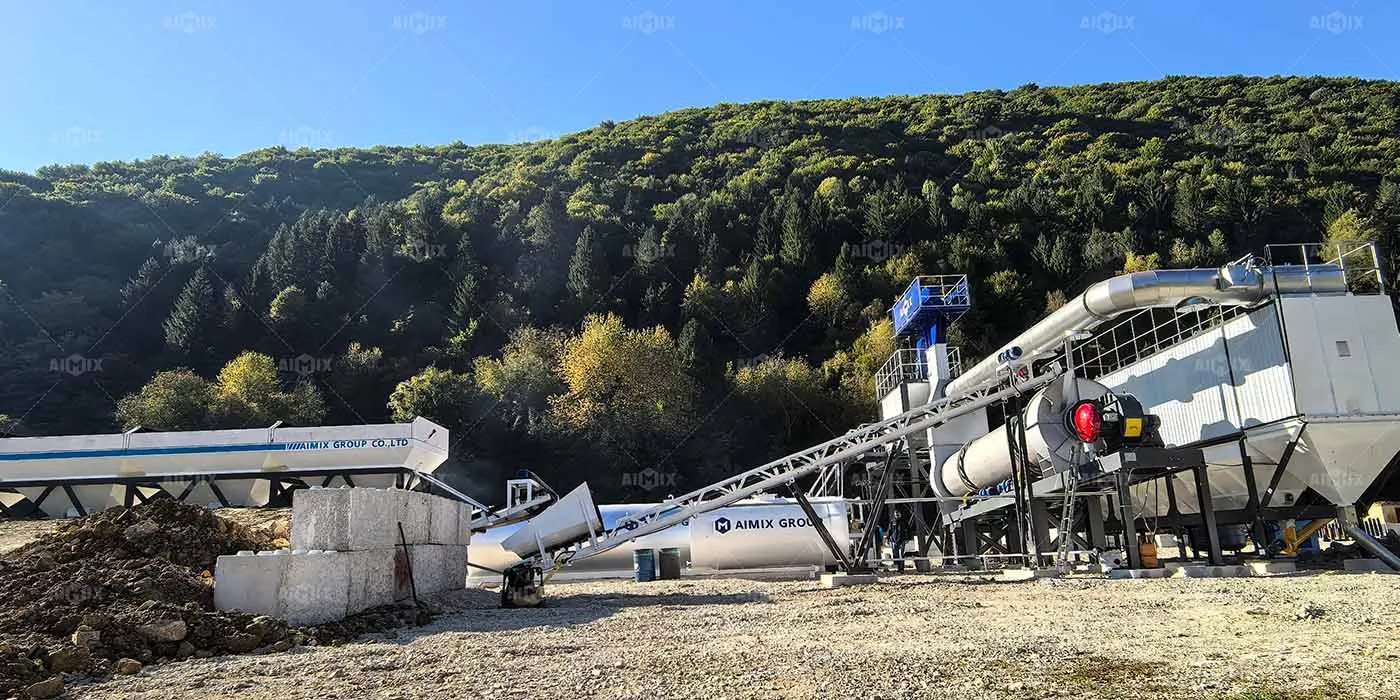
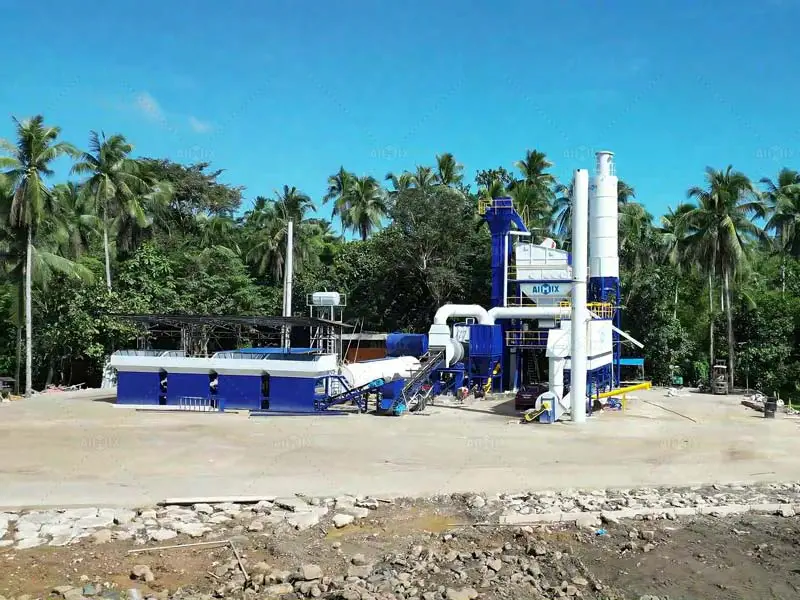
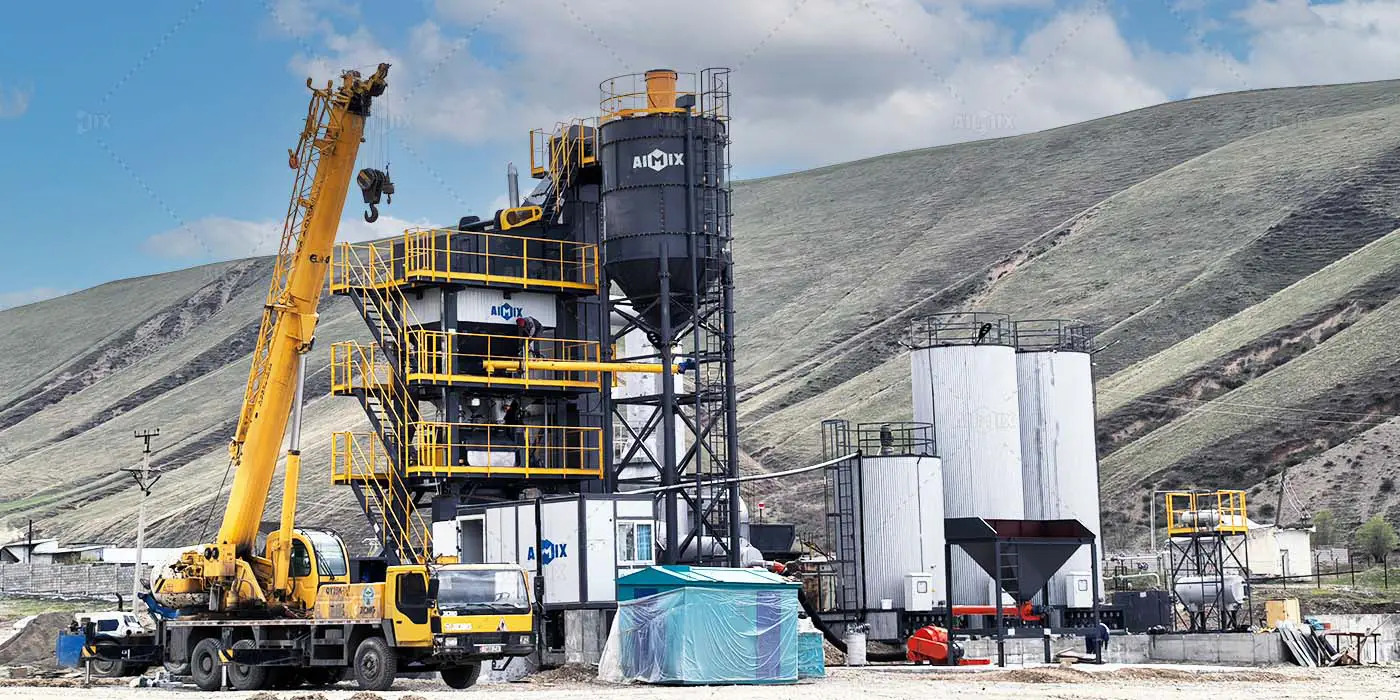
See Our Exported Asphalt Plant Pictures Globally: Customers Trusting Competitive Prices
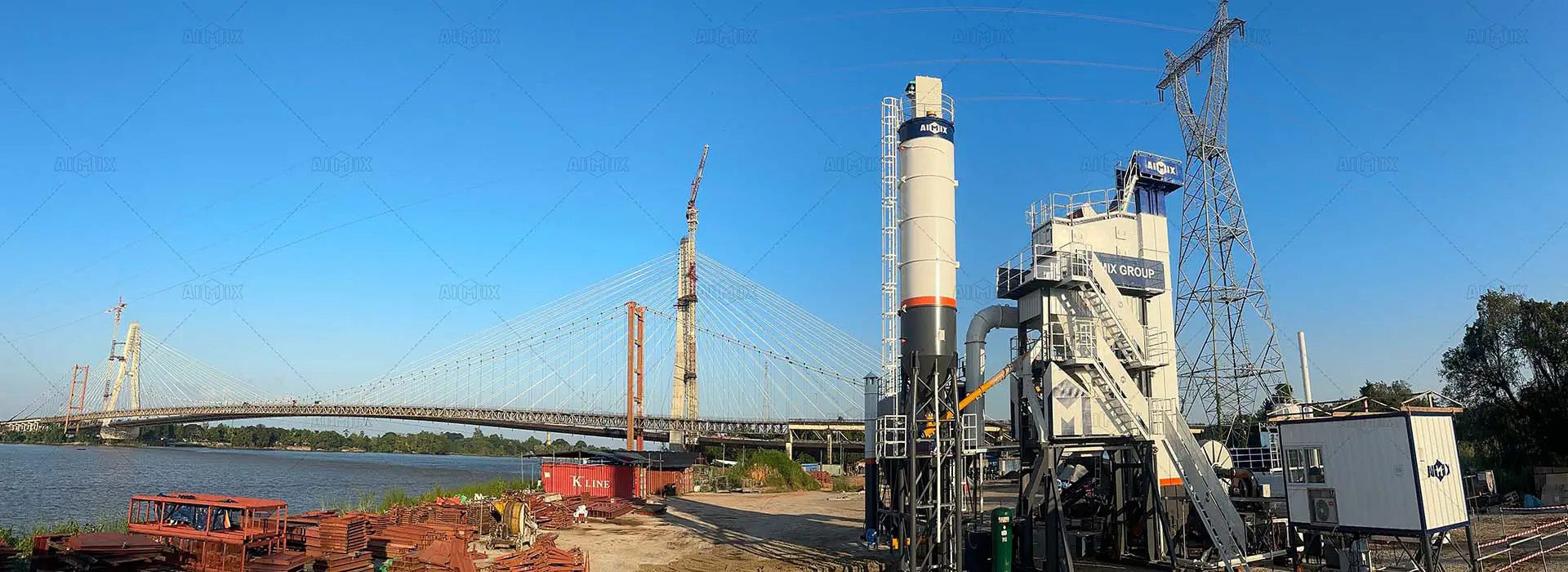
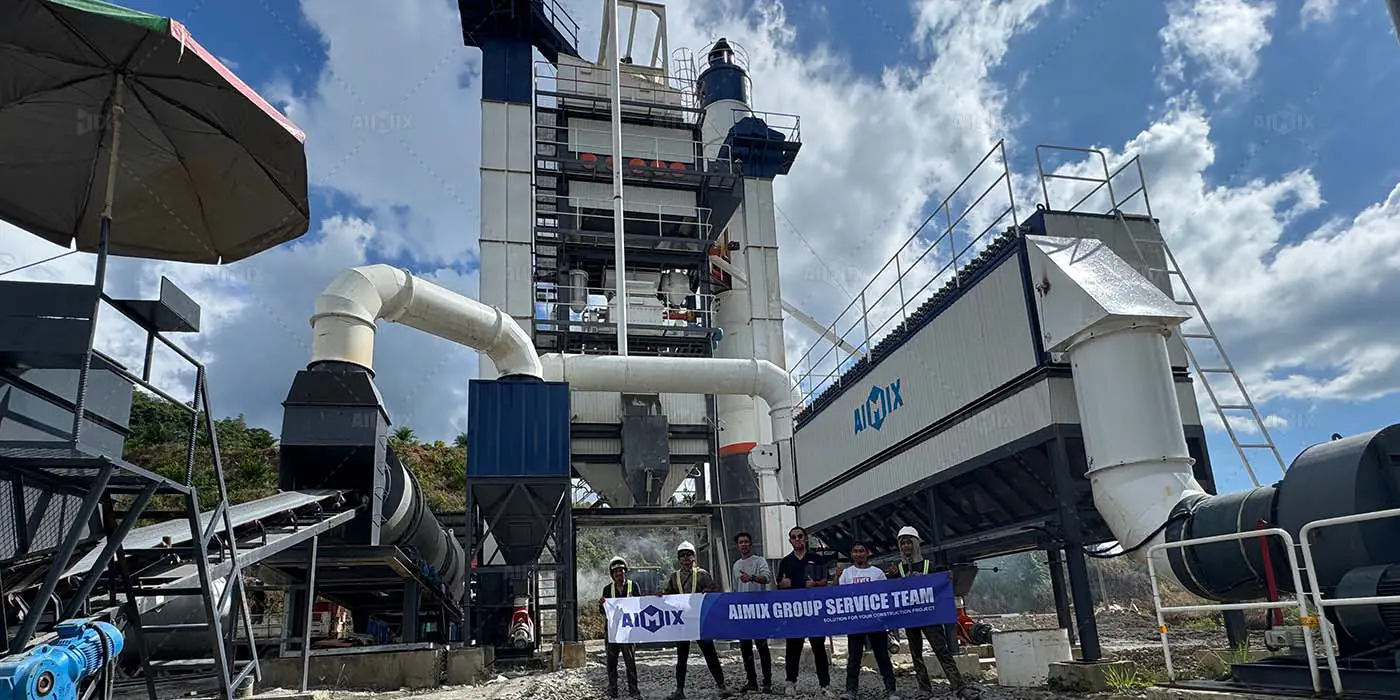
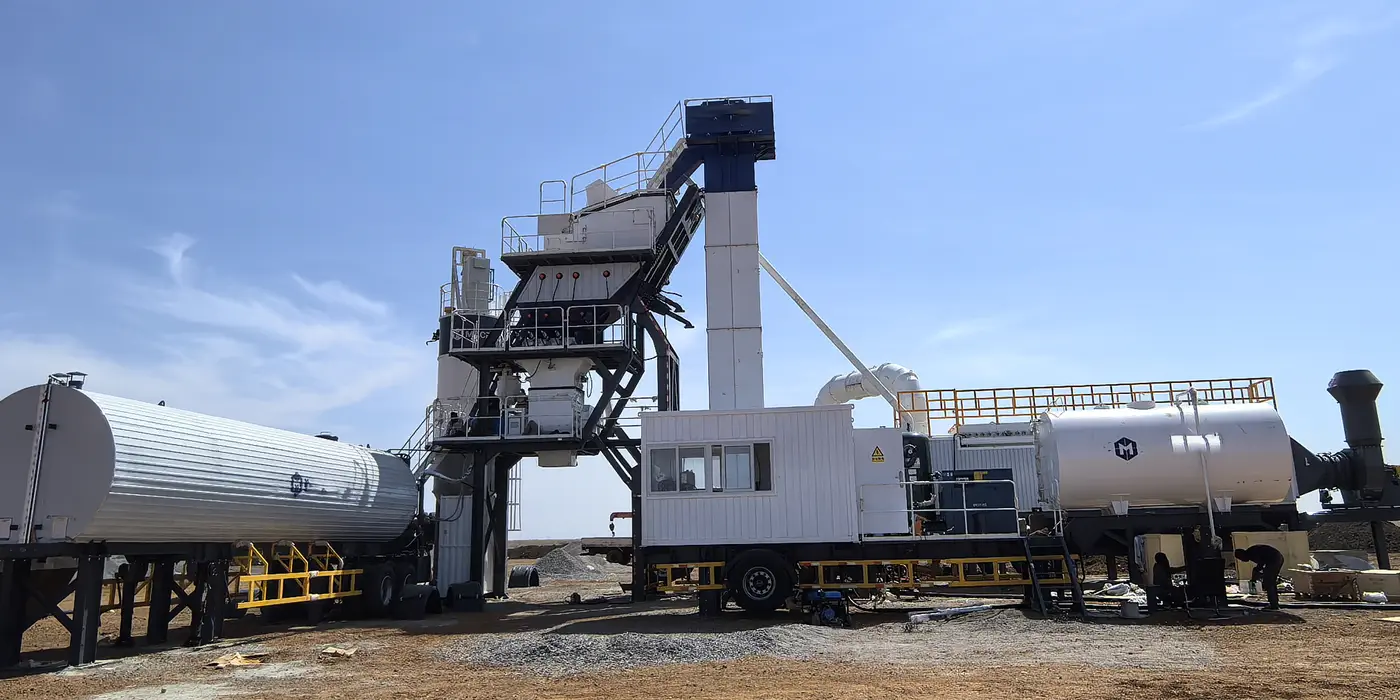
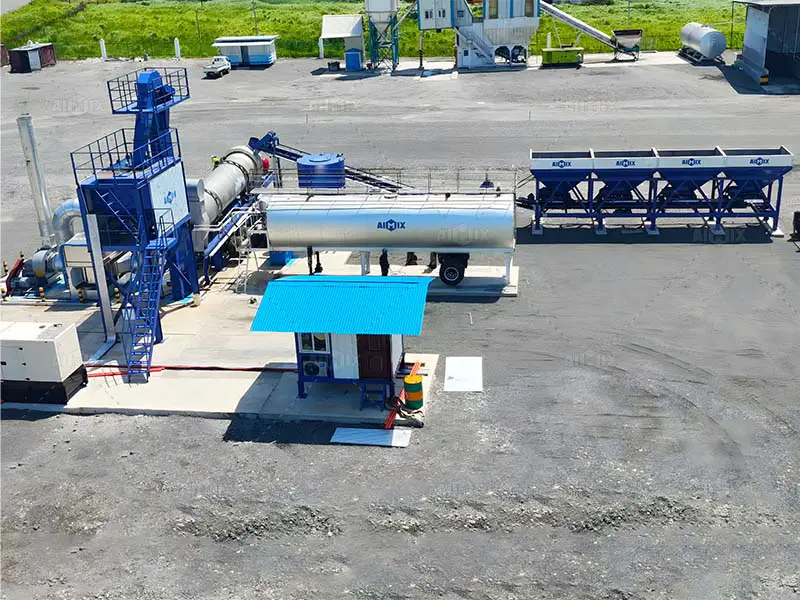
We has delivered cost-effective asphalt mixing plants in projects across the globe, from the Philippines to Papua New Guinea and Fiji. Customers trust our competitive prices and reliable performance, achieving significant savings and enhanced efficiency. Let’s see some our asphalt plants applied globally!
Asphalt Mixing Plant FAQs
Are There Any Discounts or Promotions Available for Asphalt Mixing Plants?
What Are the Payment Terms for an Asphalt Mixing Plant?
How Long Is the Delivery Time for an Asphalt Mixing Plant?
How Many Containers Are Needed to Transport an Asphalt Mixing Plant?
What Are the Shipping Terms for an Asphalt Mixing Plant?
What Does the Installation Service for an Asphalt Mixing Plant Include?
What Is the Warranty Period for an Asphalt Mixing Plant?
How Long Is the Price Validity for an Asphalt Mixing Plant?
Get the Best Asphalt Mixing Plant Price – Contact Us Today!
Looking for a cost-effective asphalt mixing plant? We offer competitive prices, expert support, and high-quality equipment to match your project needs. With overseas offices in Uzbekistan, the Philippines, Malaysia, Indonesia, and more, we ensure a smooth and cost-saving purchasing process. Want to know the asphalt plant manufacturers price? Want to buy asphalt plant? Contact us now to get the latest asphalt plant price and find the best solution within your budget!
